
Cultivating Change Through Organic Farming
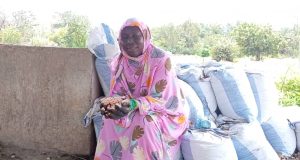
For more than 15 years, Fatou Sanyang has relied on farming to support her family. As a farmer and president of her community garden in Kalaji, she has dedicated her life to growing crops, particularly onions, which provide a reliable source of food and income for her household.
However, farming was not always rewarding. Before joining the EU-funded S-Organics Project, Fatou faced several challenges that limited her productivity and income. Like many farmers in her community, she relied heavily on chemical fertilisers and traditional farming practices without fully understanding their long-term impact on soil health and crop quality. Her harvests were often affected by spoilage, resulting in significant losses and reduced earnings.
“We worked hard, but many of our onions and tomatoes would spoil quickly. We didn’t realise how much our farming methods were affecting the quality and shelf life of our produce,” Fatou recalls.
Learning New Skills for Sustainable Agriculture
Through the S-Organics Project, Fatou received training on compost production, organic farming practices, business development, marketing, and record keeping. These trainings introduced her to new ways of improving soil fertility while reducing dependence on chemical fertilisers.
One of the most transformative lessons was learning how to properly produce and apply organic compost. Previously, animal manure was spread directly onto planting beds with limited results. Through the project, Fatou learned how to process organic materials correctly by managing moisture and decomposition, creating nutrient-rich compost that significantly improved soil quality.
The project also provided tools, equipment, personal protective equipment (PPE), waste bins, and composting infrastructure that enabled her to scale up production.
Beyond farming techniques, Fatou gained valuable business skills. She learned how to track expenses, manage inventory, record sales, and analyse profits. These practices helped her make informed decisions about sourcing materials, reducing costs, and expanding her customer base.
Transforming Production and Income
The results have been remarkable.
Before participating in the project, Fatou harvested approximately 10 bags of onions (50kg each) per season. Today, she consistently produces between 30 and 40 bags of onions, representing a significant increase in productivity.
Equally important, the quality of her produce has improved dramatically. By reducing the use of chemical fertilisers and increasing the use of organic compost, her onions last much longer after harvest, reducing spoilage and attracting more customers.
Post-harvest losses have fallen from an estimated 40% to around 10%.
This improvement has translated directly into higher earnings. Before the project, Fatou earned an average income of approximately D2,000 resulting in post harvest losses rate of approximately 40%. Today, she earns around D20,000 from her farming activities.
The increased income allows her to pay school fees, provide food for her household, and support members of her community.
Embracing Circular Economy Practices
One of the most significant changes in Fatou’s farming approach is her adoption of circular economy principles. Instead of viewing organic waste as a problem, she now uses kitchen and market waste as valuable resources for compost production.
Organic materials collected from households, markets, the military lodge, and the police station are transformed into compost that enriches her soil and supports crop production.
This approach not only reduces waste going to disposal sites but also creates a sustainable source of fertiliser that improves soil structure, moisture retention, and crop performance.
“The soil is now lighter and retains more moisture. Our crops stay fresh for longer, and customers keep coming back because they know our produce lasts,” she explains.
Expanding Markets and Inspiring Others
Improved product quality on selling both compost and 100% organic produce has opened new market opportunities for Fatou. Previously dependent on a single buyer, she now serves a growing customer base across neighbouring communities, including Jarra Soma, Barrow Kunda, Sangkandi, and Jiffarong.
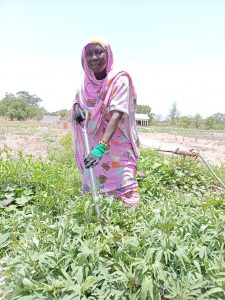
Her success has also made her a local advocate for organic farming. Through peer-learning sessions and farmer exchange visits, she regularly shares knowledge and practical experiences with other farmers interested in sustainable agriculture.
As more farmers witness the benefits of organic compost and reduced chemical fertiliser use, community attitudes towards sustainable farming continue to improve.
Looking Ahead
Fatou’s ambitions extend beyond her own farm. She hopes to expand compost production with her group members, create employment opportunities for unemployed youth, and supply organic fertiliser to other farmers across the region.
She and her group also envision developing branded products to increase market visibility and strengthen customer trust.
Confident that the knowledge and skills gained through the S-Organics Project will continue to benefit her community long after project support ends, Fatou remains committed to promoting sustainable agriculture.
Key Results
- Onion production increased from 10 bags to 30–40 bags per season.
- Average income increased from D2,000 to D20,000.
- Post-harvest losses reduced from 40% to approximately 10%.
- Chemical fertiliser use reduced significantly, with organic compost now providing the majority of soil nutrients.
- Expanded customer base on compost and organic produce across multiple communities.
- Improved household food security and ability to pay school fees.
- Actively sharing knowledge with other farmers through peer learning and exchange visits.
Fatou’s Message to Other Farmers
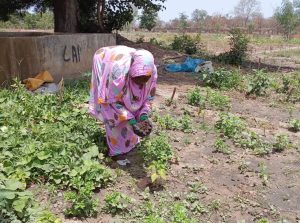
“If farmers have the opportunity to learn about sustainable farming, they should take it seriously. Reducing the use of chemical fertilisers and adopting organic compost can improve product quality, increase income, and create a better future for our communities.”