Visit to The Gambia shines light on plastic progress
News
Author: Admin
Published: 12 February 2026
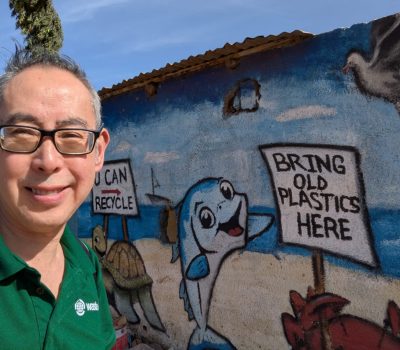
WasteAid’s newly-appointed Director of Programmes, Akira Akazawa, recently visited two community plastic collection groups in a coastal area of The Gambia to understand how training, equipment, and community support are translating into real change on the ground.
The visit focused on Senya Waste Collectors Kafoo and the Sanyang Waste Collector Group, known locally as Hawba. While the groups are at different stages of development, both show how grassroots waste collection can improve livelihoods, protect the environment, and strengthen communities when the right support is in place.
A mature group building momentum in Senya
Senya Waste Collectors Kafoo have been operating for around three years and is now a familiar presence in the community. The group is made up of ten members, most of them women, who work together several days a week alongside other income-generating activities such as food vending.
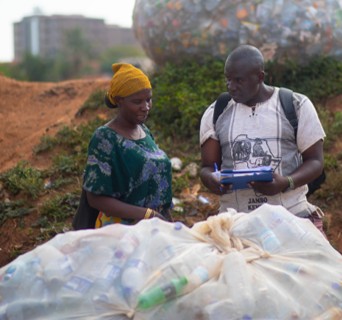
With support from WasteAid, the group has moved from labour-intensive and risky manual cutting to safer, more efficient processing. An electric cutting machine has reduced injuries and fatigue, while a motor tricycle has transformed how plastics are collected and transported. These changes have allowed the group to increase volumes, work more safely, and earn more consistently.
Community attitudes have shifted too. What once carried stigma is now widely accepted. Door-to-door collection has helped raise awareness about plastic waste, and the group’s visibility has built trust. Income earned from plastic sales supports household needs such as school costs, food, and important cultural celebrations.
Despite this progress, key barriers remain. The group operates from borrowed land with no permanent security and, crucially, no access to water. This limits their ability to wash plastics, even though washed materials sell for significantly higher prices. At present, unwashed plastics fetch between 8 and 9 Dalasi per kilogram, while washed plastics can earn up to 15 Dalasi per kilogram. Transport also eats into profits, with a monthly truck hire costing around 3,000 Dalasi to reach buyers.
As Amie, one of the group members, explained, the difference that equipment and training have made is already clear. Moving away from carrying heavy loads by hand and cutting plastics manually has improved safety and dignity at work. Refresher training on financial management has also helped the group plan better and protect their earnings.
Hawba in Sanyang: early-stage, high motivation
The Hawba group in Sanyang is newer, having completed WasteAid training between October and December 2025. The group meets weekly and is led by a committed team of women and men who are proud of the role they play in keeping their community clean.
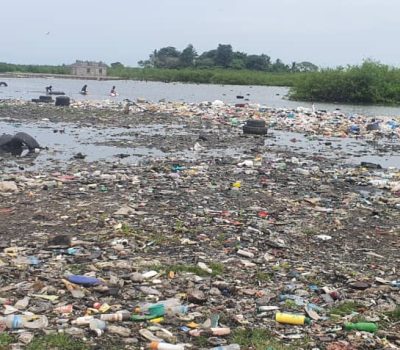
For many members, plastic collection is closely linked to their main livelihood. Oyster harvesting provides income for only part of the year, and plastic pollution directly threatens marine ecosystems and food safety. For Hawba, collecting plastic is not just about income, but about protecting the environment that sustains them.
Motivation is strong, but practical challenges are holding the group back. Hawba does not yet have a designated space to collect or process plastics, making it difficult to operate efficiently. Community understanding is also still developing. Some residents do not yet recognise the value of the work, which means members often have to explain and justify their activities.
This context also creates an opportunity. The link between plastic pollution and oyster livelihoods is clear and locally relevant, making targeted community awareness both urgent and powerful.
What this means for WasteAid’s work
Across both groups, one message came through clearly. Training and motivation are not the limiting factors. Infrastructure is. Access to space, water, and basic washing facilities is the difference between low-margin survival and sustainable income.
After seeing the challenges for himself, Akira said: “In the short term, WasteAid will work with partners and community leaders to help both groups secure suitable spaces, explore simple and safe washing setups, and better understand the economics of transport and sales. For Hawba, community engagement will be a priority, linking plastic pollution directly to the health of oyster livelihoods.
“Over the coming months, there is strong potential to strengthen operations through shared learning, clearer processes, and closer engagement with buyers. Pairing early-stage groups with more established ones can accelerate progress and confidence.
“These visits underline something WasteAid sees again and again. When communities are given the right tools, practical support, and respect for their local knowledge, plastic waste can become a source of income, pride, and environmental protection.”