WasteAid celebrates International E-Waste Day
News
Author: Admin
Published: 29 October 2026
A broken kettle, an old television or a discarded phone might seem worthless. But for someone with the skills to repair it, it could mean an income. And for our environment, it could mean one less item dumped or burned.
On International E-Waste Day, WasteAid worked with communities and local partners in South Africa and Uganda to show how better e-waste management can protect the environment, support livelihoods and create new opportunities.
Giving electronics a second life in South Africa
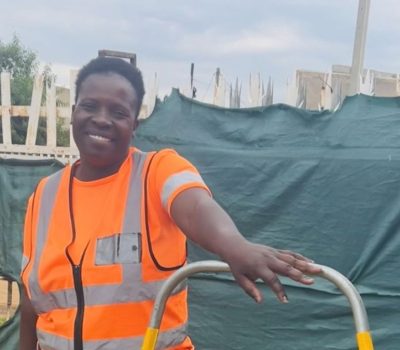
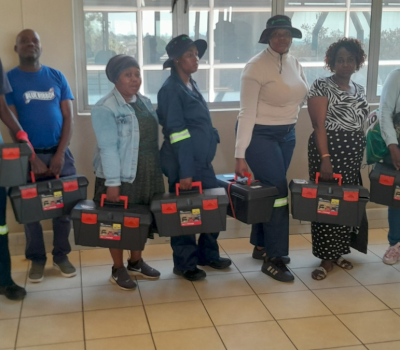
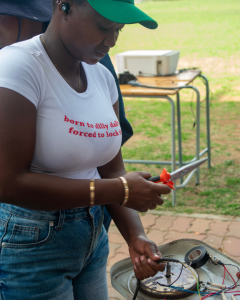
In South Africa, residents met trained repairers from WasteAid’s Wastepreneur Programme to learn how repairing electrical goods can keep useful items in use for longer.
The event focused an interest in local repair services and highlighted the need for accessible places to drop off unwanted electronics. WasteAid is working towards establishing a dedicated e-waste collection point, helping communities make more responsible choices about the electronic items that they no longer need.
Uganda: Making responsible disposal easier
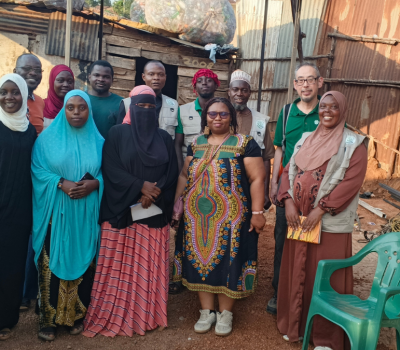
In Kampala, WasteAid and partner Towa Uchafu Na Nusu Initiative (TUNN) launched three e-waste collection bins at Usafi Market/Park. With a combined capacity of at least 900 kg, the bins give people a designated place to deposit unwanted electronic parts instead of leaving them to be dumped or burned.
The initiative is part of wider efforts to engage and support more than 300 repairers, helping communities understand the value of responsible e-waste management.
WasteAid and TUNN are also exploring ways to develop a network of e-waste entrepreneurs in Uganda, building on the Wastepreneur Programme approach in South Africa.
A better future starts with what we recover
Repairing, reusing and recovering materials can reduce pollution while helping people build skills, earn an income and create opportunities in their communities.
Through our work in South Africa and Uganda, WasteAid is showing how repairing and reusing e-waste can protect the environment, create livelihoods and open doors to new opportunities.