by Tom Idle, Innovation Forum


Waste recycling rates are improving overall, but what are the measures that can really drive plastic recycling forwards?

Legislation designed to promote waste recycling appears to be working.

In Europe, the latest data shows that, even with more waste being generated by EU nations, the total amount ending up in landfill continues to fall. Since 1995, 69m tonnes of rubbish – or 57% – less waste has been buried in the ground. Since 2005, landfilling has dropped by almost 4% a year on average.

Member states do seem to have adhered to the EU’s Directive 62/1994, in place since 2001, to ensure all nations recover a minimum of 50% of all packaging put on the market (further revised in 2008 with a 60% recovery target). Directive 31/1999 has also had an impact, which forced EU states to reduce the amount of biodegradable waste going to landfills to 35%.

All of this means more waste being recycled. Since the mid-1990s, the average annual rate of recycling has increased by 4.2% year on year. Now, more than 100m tonnes of waste is recycled annually. While that still only accounts for 47% of all waste, it’s a significant increase on the 19% recycled in 1995.

It is a similar story in the US, which produces more than 260m tonnes of waste a year. Over time, recycling rates have steadily increased – from just 16% in 1990 to a little over 35% in 2017.


Plastic progress

But while overall recycling rates have slowly improved, brands remain under intense pressure to do more, in plastics particularly.

Of course, boosting recycling rates requires action from a range of different stakeholders – among them brands that place products on the market, the local authorities and resource management companies charged with treating waste, and consumers.

But in which part of the chain can the biggest impacts be made?

For Ceris Turner-Bailes, CEO of WasteAid, it starts with properly incentivising the use of recycled materials. She says that products made from materials that are not recyclable because they use mixed materials should be phased out, and incentives created to utilise single-material packaging, which is more easily recycled.

Part of the solution is paying a fair price to the people that collect waste, not just the basic market value of the material, particularly in lower-income countries.And WasteAid is working with waste pickers and training vulnerable and marginalised people to recycle plastics into products such as paving stones and tiles. Turner-Bailes says: “One of the biggest challenges is creating a market for the products in the countries that we work, and this is a big focus for us going forward.”

Joe Franses, VP of sustainability at Coca-Cola European Partners (CCEP) agrees. He wants a step-change in investment of recycled plastic. “Certain sectors need help in securing access to post-consumer feedstock at a viable price,” he says. Currently, the beverage industry is the only sector which is obligated to meet a minimum recycled PET (rPET) percentage threshold. The EU Single-Use Plastic Directive requires a minimum of 25% recycled plastic to be used in beverage bottles by 2025. Franses says that “too much” collected PET currently goes to other applications or is exported once it’s collected for recycling. “More could be done to ensure that PET from beverage packaging that is collected can be recycled bottle-to-bottle.”


Engaging consumers

Making it easier for consumers to engage in the recycling process will also be key to boosting recycling numbers. “Industry-driven” deposit return schemes (DRS) are likely to deliver the highest collection rates for beverage packaging – and help to facilitate bottle-to-bottle recycling, as they reduce contamination, Franses says. But such schemes require strong support from policymakers and governments, as well as effective collaboration, to make them work, with producers and retailers working together. “Norway and Sweden offer best-in-class DRS, with a focus on creating a local, circular system via a strong connection to local recycling partners, such as Veolia.” Franses points out.

Another good example is the SRN (Stichting Retourverpakking Nederland) in the Netherlands, which is a scheme that gives access to feedstock at competitive prices for all those that participate in the scheme.

Deposit return schemes do, of course, have their detractors, particularly where there is near-universal local authority kerbside collection, such as in the UK. Introducing DRS requires development of new infrastructure, with reverse-vending machines installed in public places or retailers being required to devote space to collection and deposit returns.

Another potential downside is that DRS removes PET, which is currently amongst the most valuable recyclate, from kerbside waste streams, taking away that revenue and making the collection of other wastes less financially viable. DRS can create an incentive for increased use of plastic and penalises the use of other materials, notably aluminium, which does not require any venture financing and novel chemistry solutions to improve its recyclability.

Whatever your view, this is a debate that will, no doubt, continue .


Keep it simple

To get the attention of consumers, James Bull, head of packaging at Tesco, says it’s all about simplifying processes. He argues for legislation that drives “consistency in what is used and what is collected” and will make it easier to manage and more straightforward for the general public to engage with.

In fact, making it easier for people to understand how recycling supply chains actually work will give them the confidence and incentive to recycle more, Turner-Bailes says. “There needs to be full transparency in the movement and use of materials across borders, to generate confidence that materials are properly recycled and not dumped.”

WasteAid is currently working in Douala, Cameroon, where the local government is supporting recycling by ordering recycled products on a large scale to improve local infrastructure. “It’s a good example of local government working with commercial enterprises to support recycling efforts on a large scale,” according to Turner-Bailes.


Barriers remain

Closer collaboration and more effective consumer engagement are likely to have a big impact. However, some specific challenges remain. Bull highlights the difficulties in collecting and recycling the soft plastic bags, pouches and films that represent a large proportion of any shopping basket.

The solution? Companies should prove it can be done and influence governments to move quicker and legislate consistently for a set of materials that are to be used to “prevent food waste, provide functionality while limiting carbon and environmental impacts”, Bull says. Then, the sector should “generate demand, engage industry, and influence market investment and cost coverage”.

Franses reinforces the need for greater investment in new recycling technologies and infrastructure, in particular, to boost capacity within the rPET reprocessing sector to generate an increased supply of rPET. Through its innovation and investment arm, CCEP Ventures, the business has recently invested in recycling start-up CuRe Technology. CuRE uses a partial depolymerisation process to break down PET into its component building blocks to produce food-grade rPET – a good fit for CCEP as it aims to deliver 100% rPET for its bottles in the next five years.


Enforced circularity?

The European Commission’s long-awaited Circular Economy Package will have made brands and recyclers sit up and take notice. With revised legislative proposals on waste, a more stringent target for recycling, particularly of packaging waste, and lower limits for landfilling, companies will be forced to think more circular. And that’s a good thing, says Bull. “The best examples of driving positive behaviour are about driving a value into packaging, rather than it being provided as a disposable element.”

Turner-Bailes agrees, arguing that voluntary commitments from brands have been a welcome start, but they have had limited impact. “[They] need to be replaced with legislation and clear timescales for the phase-out of product packaging that is non-recyclable. This will be a strong signal of intent towards the creation of genuinely circular economies.”

The original of this article can be found at: https://www.innovationforum.co.uk/articles/how-to-get-plastic-recycling-to-real-scale

Human Impact

Latest News

Read more about From E-Waste Skills to Sustainable Enterprise: Cosmo City Participants Take the Next Step

News

From E-Waste Skills to Sustainable Enterprise: Cosmo City Participants Take the Next Step

What if a broken laptop, television or other electronic appliance wasn’t waste, but an opportunity to repair, reuse and recycle?  For participants in WasteAid’s Waste 2...

Read more about Lufthansa Group and WasteAid Launch Animation Film

News

Lufthansa Group and WasteAid Launch Animation Film

WasteAid and Lufthansa Group have launched a new animated training film designed to help cabin crew improve onboard waste segregation, supporting efforts to increase...

Read more about How one community in The Gambia is changing its relationship with plastic

News

How one community in The Gambia is changing its relationship with plastic

In Bakoteh, a community in the Greater Banjul Area of The Gambia, plastic waste has long been a serious problem. Home to the largest dumpsite in...

Read more about Women farmers in Kalaji turn organic waste into opportunity through the S-ORGANIC project

News

Women farmers in Kalaji turn organic waste into opportunity through the S-ORGANIC project

In Kalaji, a group of women farmers is demonstrating how organic waste can become a productive resource — supporting sustainable agriculture, strengthening livelihoods, and...

Read more about WasteAid and the Turkish Embassy: A New Partnership for Sustainable Change in The Gambia

News

WasteAid and the Turkish Embassy: A New Partnership for Sustainable Change in The Gambia

On 12 May 2026, WasteAid’s Director of Programmes and Project Officer met with Turkish Ambassador F. Turker Oba at the Turkish Embassy in The...

Read more about WasteAid and Kanifing Municipal Council sign MoU to strengthen long-standing partnership on sustainable waste management

News

WasteAid and Kanifing Municipal Council sign MoU to strengthen long-standing partnership on sustainable waste management

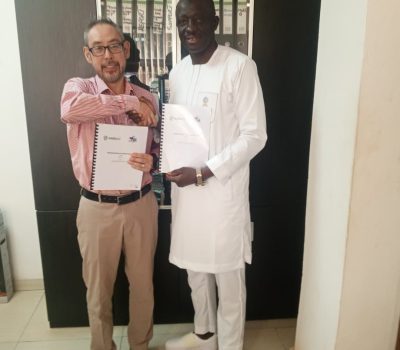
WasteAid and Kanifing Municipal Council have signed a new Memorandum of Understanding (MoU), marking an important milestone in a partnership that has developed over more than a decade. ...

Sign up to our Newsletter

  • By signing up, you consent to your personal data being saved in line with our privacy policy.

The amount of waste we produce is expected to DOUBLE in the next 15-20 years. Where is it going to go?

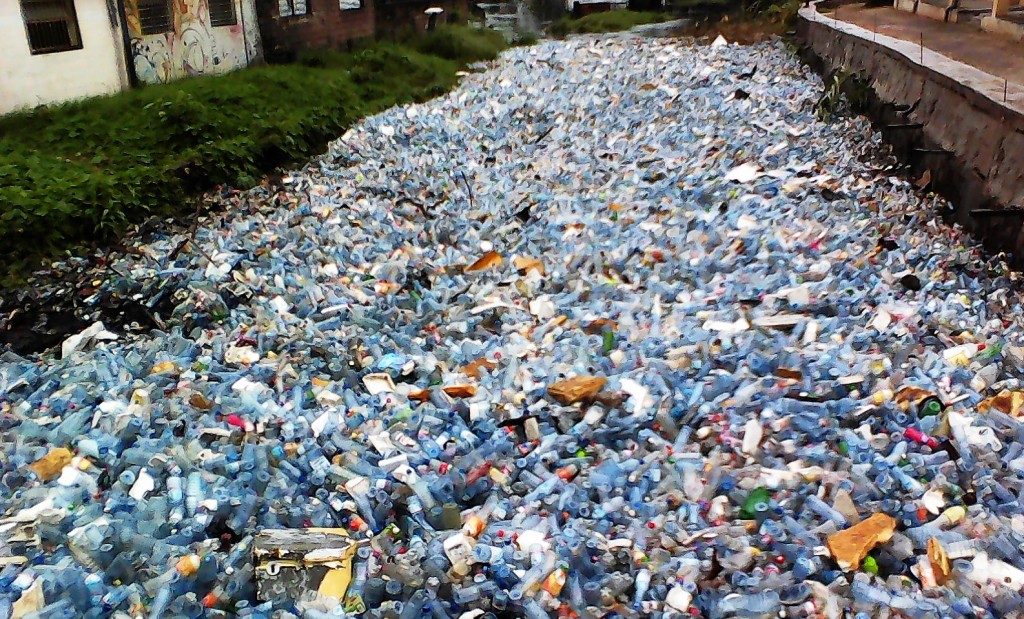
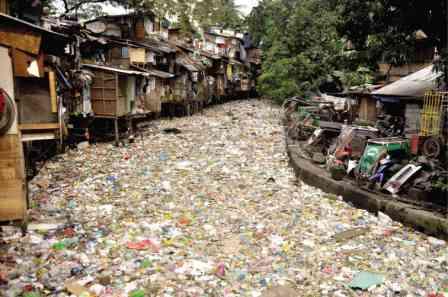
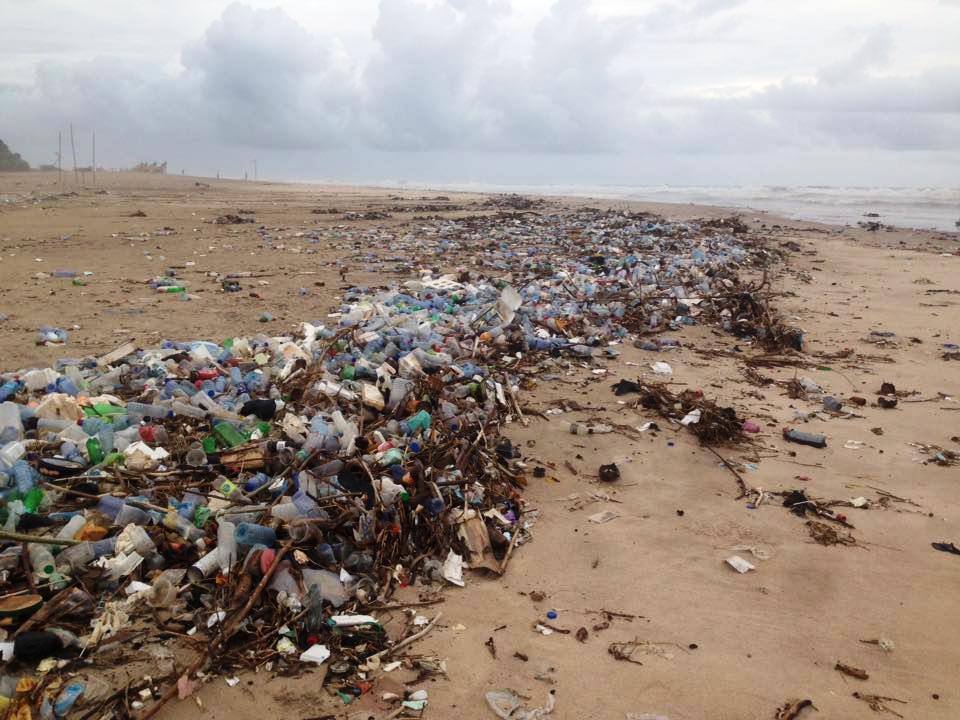
A growing population, increasing urbanisation, and a shift to a consumer lifestyle are leading to the generation of ever great volumes of solid waste around the world. When our waste isn’t managed properly it can end up in drains and rivers, and eventually makes its way to the sea.

Quick facts:

  • More than 90% of the plastic in the sea comes from land based sources.
  • Every year, 4-12 million tonnes of mismanaged waste enters the oceans from within 50km of the coast. More than half of this is from five countries in east Asia.
  • An additional 0.4-4 million tonnes waste reaches the oceans via rivers. More than 90% of this waste flows along 10 major rivers in Asia and Africa.
  • Overall, mismanaged household and business waste in lower-income countries probably accounts for 50-70% by weight of plastics entering the oceans.


This is a major problem, but it is only part of the story.

With two billion people living without waste collection and three billion without controlled waste disposal, the poor management of solid waste is a global crisis.

Poor management of solid waste leads to a range of negative impacts on:

  • The environment – polluting rivers and wells; causing local air pollution and climate change emissions; polluting the oceans with plastics and land, air and water with microplastics; harming wildlife; and blocking drains leading to flooding.
  • Human health – burning waste leads to respiratory diseases; the pollution from waste causes childhood stunting; blocked drains exacerbate the spread of water-borne and infectious diseases, flooding and drowning.
  • Local economies – healthcare costs a lot more when disease is commonplace; communities experience productivity losses and damage from flooding; tourists stay away; clean-up costs can be significant; and unmanaged waste worsens social inequality.


There is a flip-side…

Whilst badly managed waste represents a threat to human health, the environment and economic development, there are also many opportunities. Improved resource management can help people who are economically marginalised, and there is increasing interest from the global development community as to the opportunities that a more circular approach offers.

International donors are increasingly prioritising actions for the poorest and most marginalised, such as in the UK Department for International Development’s Leave No-One Behind agenda.


A pro-poor, inclusive approach to improve solid waste management would be a win-win:

Providing a vital service to some of the world’s poorest communities would make them a healthier place to live, grow and do business in, whilst creating green jobs.

Importantly, community-led waste management can also help limit climate change and stop plastic polluting our rivers and oceans.


How to improve the lives of the world’s poorest and halve the plastic entering the oceans

To address the global waste crisis, the international community needs to act.

WasteAid and CIWM are calling on the UK Government to:

Fund: Commit to increasing the proportion of aid spent on waste management to at least 3% from its current estimated level of 0.3%;

Champion: Promote the need for increases in aid to waste management within the Commonwealth and G7, for example as part of the blue economy priority; and

Lead: Spearhead negotiation of a binding international treaty to tackle marine plastic pollution, which should have at its core prevention through proper solid waste management, as well as efforts to clean up existing pollution.


Priorities to tackle marine plastic pollution at source:

  1. Prioritise technical assistance to improve governance and the enabling environment, establishing multi-stakeholder coordinating bodies and scaling up contextually relevant community-based recycling approaches.
  2. Where possible and especially in poorer countries, fund projects that work with local informal waste management approaches to develop sustainable solutions that enable local communities to create value and not rely on continued external support.
  3. Avoid inappropriate large-scale, high-cost, high-technology projects, which often threaten waste picker livelihoods, are not suited to waste streams with high organic content and are reliant on very high capacity clients to ensure environmental standards are met.
  1. Work with the resource management sector, universities and development groups to:
  2. a) Leverage greater investment from the broader international development community and ‘mainstream’ waste;
  3. b) Incubate and support novel approaches to delivery of waste services in low income countries;
  4. c) Convene opportunities for international partnership and knowledge exchange;
  5. d) Share technical guidance and best practice; and
  6. e) Avoid the known pitfalls to move confidently towards a more equitable and sustainable future.


Read the WasteAid & CIWM briefing paper in full

On World Water Day (22 March 2018) WasteAid and CIWM issued a call to action to the UK Government with a detailed briefing paper on the relationship between solid waste management and the growing tide of marine plastics pollution.

“From the Land to the Sea” catalogues the impact that poor or non-existent waste collection and management practices in developing countries have on the growing quantity of plastic waste that is entering the oceans every year.

Written by Zoë Lenkiewicz


Human Impact

Latest News

Read more about From E-Waste Skills to Sustainable Enterprise: Cosmo City Participants Take the Next Step

News

From E-Waste Skills to Sustainable Enterprise: Cosmo City Participants Take the Next Step

What if a broken laptop, television or other electronic appliance wasn’t waste, but an opportunity to repair, reuse and recycle?  For participants in WasteAid’s Waste 2...

Read more about Lufthansa Group and WasteAid Launch Animation Film

News

Lufthansa Group and WasteAid Launch Animation Film

WasteAid and Lufthansa Group have launched a new animated training film designed to help cabin crew improve onboard waste segregation, supporting efforts to increase...

Read more about How one community in The Gambia is changing its relationship with plastic

News

How one community in The Gambia is changing its relationship with plastic

In Bakoteh, a community in the Greater Banjul Area of The Gambia, plastic waste has long been a serious problem. Home to the largest dumpsite in...

Read more about Women farmers in Kalaji turn organic waste into opportunity through the S-ORGANIC project

News

Women farmers in Kalaji turn organic waste into opportunity through the S-ORGANIC project

In Kalaji, a group of women farmers is demonstrating how organic waste can become a productive resource — supporting sustainable agriculture, strengthening livelihoods, and...

Read more about WasteAid and the Turkish Embassy: A New Partnership for Sustainable Change in The Gambia

News

WasteAid and the Turkish Embassy: A New Partnership for Sustainable Change in The Gambia

On 12 May 2026, WasteAid’s Director of Programmes and Project Officer met with Turkish Ambassador F. Turker Oba at the Turkish Embassy in The...

Read more about WasteAid and Kanifing Municipal Council sign MoU to strengthen long-standing partnership on sustainable waste management

News

WasteAid and Kanifing Municipal Council sign MoU to strengthen long-standing partnership on sustainable waste management

WasteAid and Kanifing Municipal Council have signed a new Memorandum of Understanding (MoU), marking an important milestone in a partnership that has developed over more than a decade. ...

Sign up to our Newsletter

  • By signing up, you consent to your personal data being saved in line with our privacy policy.


Now is the time to recognise waste management is vital for global sustainable development

There are more than 7 billion of us, and we’re producing waste every day. A staggering half of that waste isn’t collected, treated or safely disposed of, and it’s causing a global waste crisis.

The Sustainable Development Goals (SDGs) cannot be met unless waste management is addressed as a priority. Failing economic models treat resources as if they were infinite (SDG 12) and consumption patterns favour the disposable. How can we continue with a growing and increasingly urbanised global population without getting waste sorted?


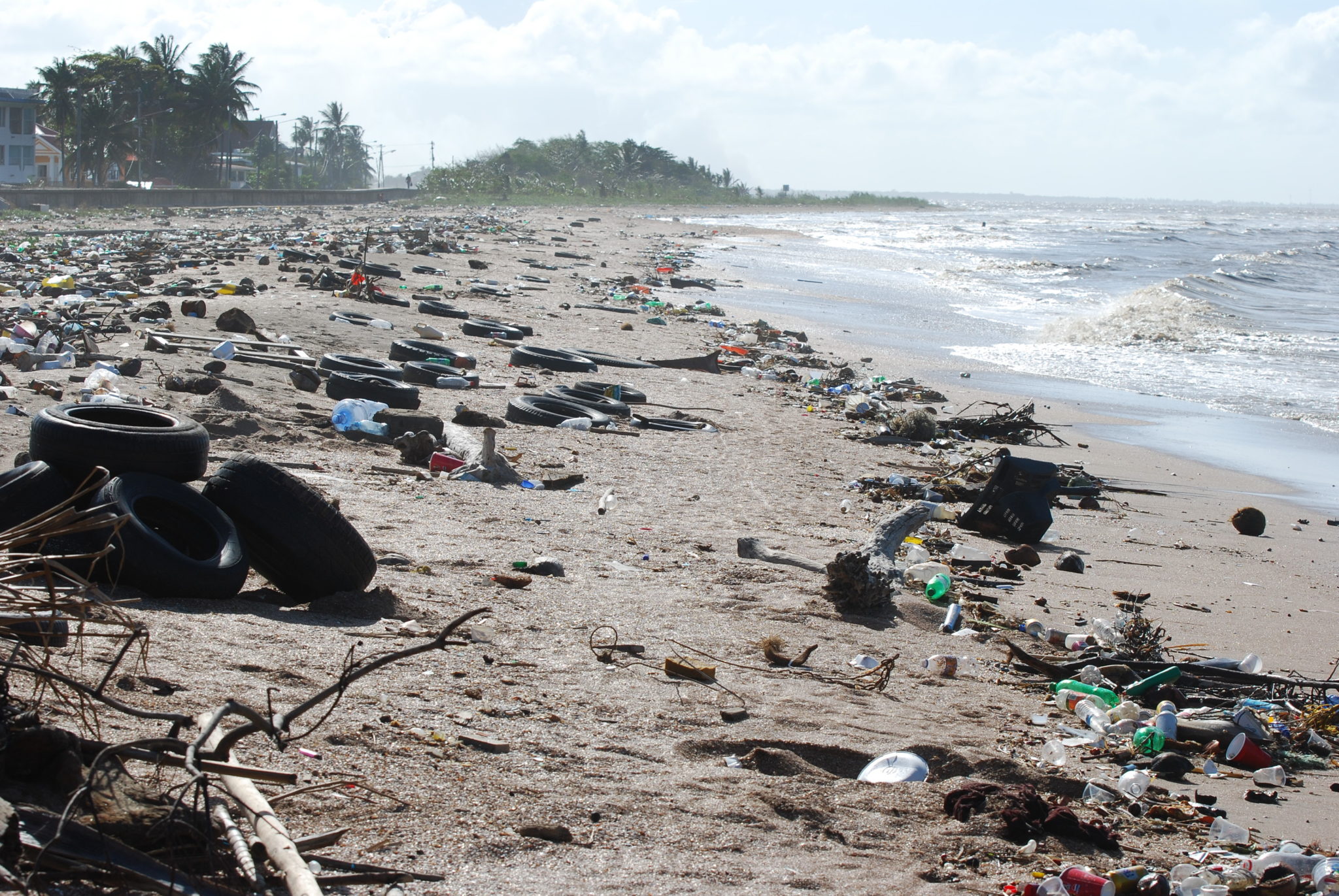
The litter problem on the coast of Guyana, 2010 (Creative Commons 3.0)

 

The proliferation of plastics has been devastating for the planet and its passengers, both current and future. Three-quarters of the vastest open dumps in the world are on the coast, leaching hazardous materials into our oceans. It’s unlikely that there is a single beach in the world that doesn’t carry the residues of plastic fishing nets, cigarette butts and plastic straws (SDG 14). Large marine mammals are washing up on shore dead, their bellies so full of plastic that they have starved.

Just two generations ago, before the dawn of disposable plastic, people could throw their waste on the ground and it would rot. Not so today, with plastic now clogging up drains and being ingested by livestock. Chemicals seep from immense quantities of dumped waste, poisoning groundwater, streams and rivers. Life on land (SDG 15) can only be healthy when waste is properly managed.

Waste is polluting the air we breathe as well. When people have no waste management services, they can only dump waste in the open – or burn it. Open burning of waste is sadly commonplace. In days gone by, it wasn’t such an issue. But now, with plastics everywhere, the health impacts of open burning are catastrophic (SDG 3). Added to this is the climate change impact of methane and CO2 from poorly managed waste: within ten years dumpsites could be responsible for up to a tenth of manmade greenhouse gases (SDG 13).


The local community burn their waste in a corner of Kibati camp. School desks have been taken out of the nearby school to make room for people now seeking shelter there. (Eddy Mbuyi/Oxfam, Creative Commons 2.0)
 

If we want clean water and sanitation (SDG 6), we need to be looking at waste. It’s a key vector of disease, and provides abundant breeding grounds for mosquitoes. Women in particular can benefit hugely from improved waste management, through independent earning opportunities (SDG 5) and protecting their families from sickness caused by open dumping and burning.

Food waste, from farm to fork and post-consumer, needs to be cut dramatically. Redistribution of edible food (SDG 2) from supermarkets, restaurants and homes is an obvious first step and one that is thankfully gaining traction. Waste from the manufacture of food products can be fed to animals, and inedible remains converted into biogas and clean renewable energy (SDG 7).


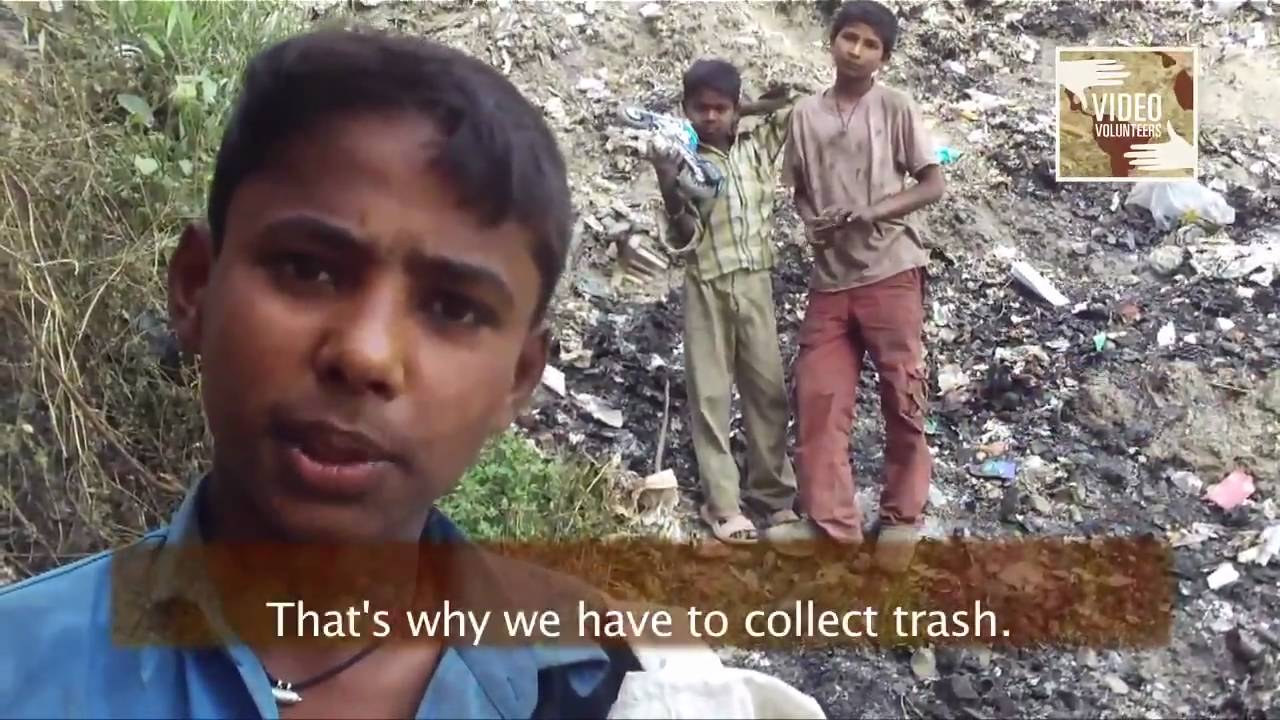
Many children pick recyclable waste from dump sites instead of attending school. Watch the video: India Unheard, Children carry trash not books
 

SDG 1 aims for No Poverty. 1% of the global urban population make their living from recovering recyclable materials from waste (SDG 8). These informal waste champions provide a valuable and often no-cost service, and it is important that we recognise their role in urban sanitation and resource efficiency (SDG 10). Fair wages and basic employment rights for all waste workers are fundamental to equal, inclusive and sustainable communities.

The rewards of waste management far outweigh the cost. For our communities to prosper as healthy and resilient places to live, governments must urgently invest. Even the poor choose to pay for waste management (or participate in it) when they see its benefits. Producer Responsibility schemes and crucially – fiscal transparency – can help ensure everyone pays their fair share to keep the planet clean (SDG 16).

The formal waste management sector, employing another 20 million globally, is a current hotbed of inspiration and innovation (SDG 9). Attracting millennials, entrepreneurs and industry heavyweights, waste management provides excellent opportunities in science, technology and engineering, humanities, business studies and IT (SDG 4), and is a powerful catalyst for economic growth (SDG 8). The feedstock for an industry based on waste is plentiful.

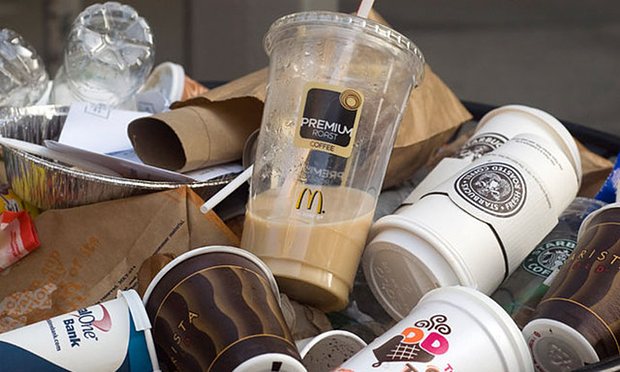
An estimated 3bn coffee paper cups are thrown away in the UK every year, but it was revealed that fewer than one in 400 is recycled. Photograph: Guardian/Alamy
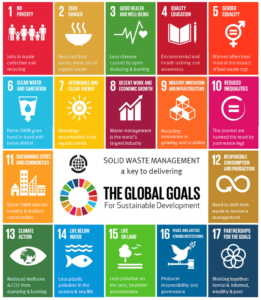
 

Sustainable waste management provides ideal opportunities to collaborate and work in partnership (SDG 17) – the wealthy and the poor, the formal and informal, communities, business, governments and the international donor community. Indeed, it is only when we work together that the most logical and valuable answers arise. As we have seen, waste crosses so many other aspects of society. Positive outcomes rely on us joining these dots.

In summary, we can achieve the Global Goals – and we’ll do it much more effectively once we recognise waste management as a powerful driver of sustainable development.


How waste management can help achieve the Global Goals


Written by Zoë Lenkiewicz


Further recommended reading:
Global Waste Management Outlook UNEP/ISWA 2015
WasteAid Toolkit for waste management in lower- and middle-income countries 2017


Human Impact

Latest News

Read more about From E-Waste Skills to Sustainable Enterprise: Cosmo City Participants Take the Next Step

News

From E-Waste Skills to Sustainable Enterprise: Cosmo City Participants Take the Next Step

What if a broken laptop, television or other electronic appliance wasn’t waste, but an opportunity to repair, reuse and recycle?  For participants in WasteAid’s Waste 2...

Read more about Lufthansa Group and WasteAid Launch Animation Film

News

Lufthansa Group and WasteAid Launch Animation Film

WasteAid and Lufthansa Group have launched a new animated training film designed to help cabin crew improve onboard waste segregation, supporting efforts to increase...

Read more about How one community in The Gambia is changing its relationship with plastic

News

How one community in The Gambia is changing its relationship with plastic

In Bakoteh, a community in the Greater Banjul Area of The Gambia, plastic waste has long been a serious problem. Home to the largest dumpsite in...

Read more about Women farmers in Kalaji turn organic waste into opportunity through the S-ORGANIC project

News

Women farmers in Kalaji turn organic waste into opportunity through the S-ORGANIC project

In Kalaji, a group of women farmers is demonstrating how organic waste can become a productive resource — supporting sustainable agriculture, strengthening livelihoods, and...

Read more about WasteAid and the Turkish Embassy: A New Partnership for Sustainable Change in The Gambia

News

WasteAid and the Turkish Embassy: A New Partnership for Sustainable Change in The Gambia

On 12 May 2026, WasteAid’s Director of Programmes and Project Officer met with Turkish Ambassador F. Turker Oba at the Turkish Embassy in The...

Read more about WasteAid and Kanifing Municipal Council sign MoU to strengthen long-standing partnership on sustainable waste management

News

WasteAid and Kanifing Municipal Council sign MoU to strengthen long-standing partnership on sustainable waste management

WasteAid and Kanifing Municipal Council have signed a new Memorandum of Understanding (MoU), marking an important milestone in a partnership that has developed over more than a decade. ...

Sign up to our Newsletter

  • By signing up, you consent to your personal data being saved in line with our privacy policy.