How one community in The Gambia is changing its relationship with plastic
News
Author: Admin
Published: 4 June 2026
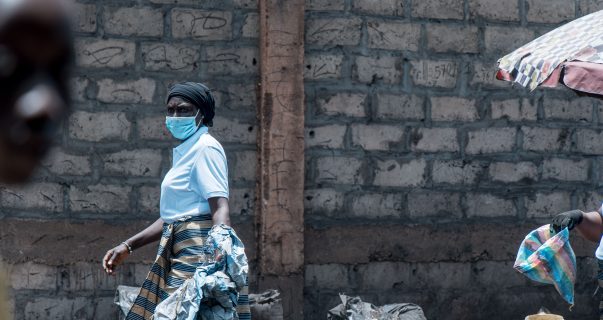
In Bakoteh, a community in the Greater Banjul Area of The Gambia, plastic waste has long been a serious problem. Home to the largest dumpsite in the region, residents have lived with the smoke from burning waste and the health risks that come with it – for years, there seemed to be no alternative.
That’s starting to change.
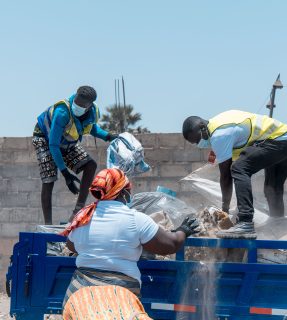
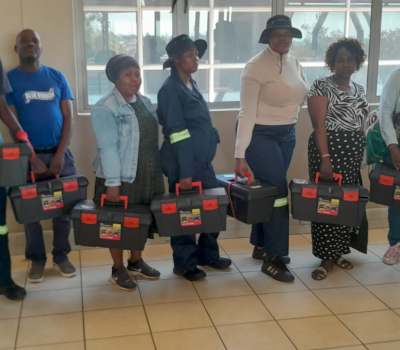
In September 2025, the Sobeya Kafo Waste Collectors Group was formed – ten local people who came together through WasteAid’s First Step Resource Management Programme, funded by Veralto. Over eight weeks, the group received training in everything from sorting and handling plastic safely, to running a small business and managing finances. The goal: to help the community build its own sustainable waste management system from the ground up.
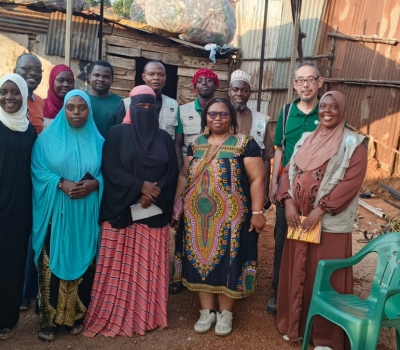
The results are already visible. At a recent community event, the shift in how people think about plastic was striking. Where once it was something to throw away or burn, people are now seeing it differently – as something with real environmental and economic value.
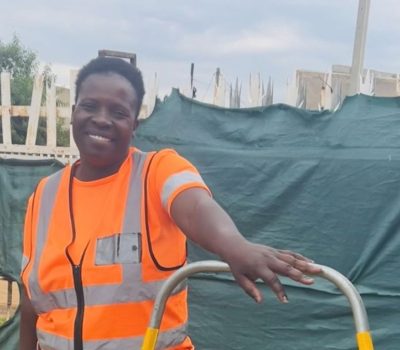
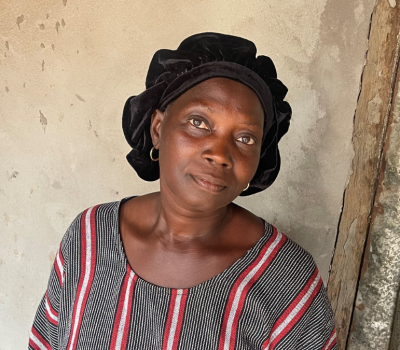
Absa Joof, the group’s Secretary, put it simply:
“This project has been an eye opener for me. Before, my household and I used to burn plastic waste or dispose of it carelessly. After participating in WasteAid’s training, I now see opportunities to generate income from waste.”
What stood out just as much as the training itself was who showed up. Young people were actively involved throughout – in the workshops, and in the community clean-up, known locally as Sett-Setal. That kind of grassroots energy is exactly what long-term change looks like.
This is what WasteAid’s work is about: not just cleaner streets, but stronger communities. When people have the knowledge and tools to manage waste themselves, the benefits go far beyond the environment – they create livelihoods, build confidence, and give communities real ownership over their futures.
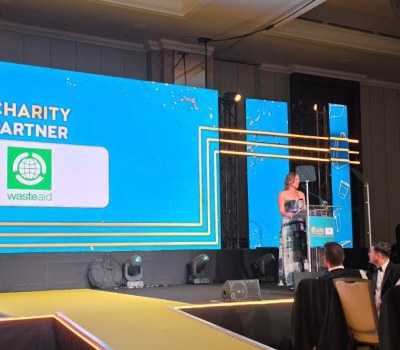
Thank you to Veralto for your support, without which this programme would not be made possible.