Strengthening The Gambia’s Circular Economy: Insights from WasteAid’s Stakeholder Engagement
News
Author: Admin
Published: 29 April 2026
We have huge plans to further strengthen and scale our programmes in the countries we work in, evidenced by our recent expansion of our S-ORGANIC project to a national level initiative. Our programmes are designed to be country context specific, to maximise their impact, therefore it is vital that we have multi-stakeholder engagement.
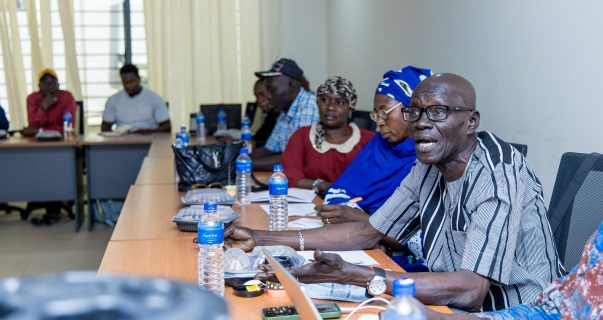
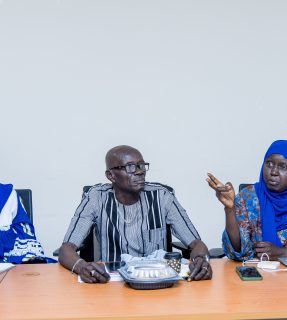
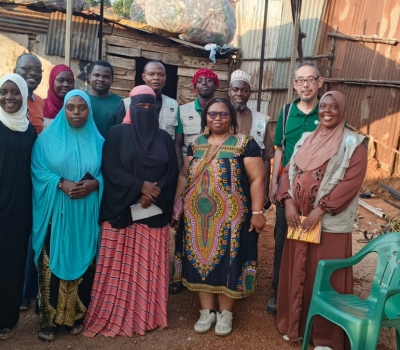
On 15 April 2026, WasteAid brought together key voices from across the sector to discuss how we turn tried and tested circular economy practices into tangible action while strengthening sustainable waste management systems in The Gambia.
The workshop demonstrated the value of bringing together a diverse group of stakeholders, from government institutions, private sector actors, civil society and community-base waste collectors. This collaboration enabled effective problem-solving and opportunity scoping, leading to the co-development of practical, action-oriented solutions across policy, plastic waste value chains, and organic waste management.
These discussions are essential as we strengthen our Country Strategy for The Gambia. Engaging a broad range of stakeholders is essential to ensuring our strategy remains informed by local insights. This collaborative approach allows us to address real-world sector challenges and align on a unified vision for circular economy development.
The workshop highlighted several critical priorities, ranging from stronger policy coordination and more resilient markets for waste-derived products to improved infrastructure and financing. By identifying these pillars, we are well-positioned to address them head-on and drive the systemic change needed for a sustainable future.
The workshop was guided by clear objectives:
- to facilitate meaningful dialogue among key actors in the waste management sector,
- assess existing systems and policy frameworks,
- identify gaps and opportunities within plastic and organic waste value chains,
- and develop practical recommendations to support a national transition toward a circular economy.
By fostering inclusive engagement and strengthening partnerships, the technical workshop represents an important step toward shaping a coordinated, evidence-based approach to sustainable waste management in The Gambia.