Protecting the Tanbi Wetlands through Waste Entrepreneurship in The Gambia
News
Author: Admin
Published: 20 March 2026
Celebrating continued support from Veralto on World Water Day
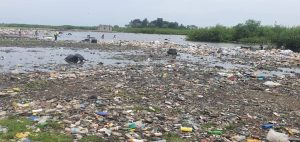
Plastic waste is a growing challenge across The Gambia. Rapid urban growth, limited waste services and increasing consumption have created a situation where large quantities of waste are mismanaged each day. In many communities, households have little choice but to burn waste or dump it in nearby open areas and waterways. Over time, this waste is carried into rivers, wetlands and eventually the ocean.
One of the most vulnerable ecosystems is the Tanbi Wetlands Complex near Banjul. This internationally recognised wetland provides breeding grounds for shrimp and oysters, supports local food systems and protects coastal communities. Yet it is increasingly threatened by pollution from mismanaged waste. Plastics dumped in nearby communities often end up in the wetlands, where they damage mangrove ecosystems and contaminate water sources that local people depend on.
On World Water Day, we’re delighted to announce a continuation of support from Veralto for our work in addressing waste concerns in the area.
WasteAid has been working in The Gambia since 2017 to address the links between waste pollution, poverty and environmental degradation. Through its First Step Resource Management programme, the organisation supports informal waste collectors to build sustainable businesses that recover and recycle valuable materials.
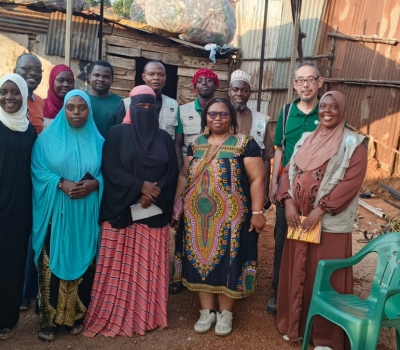
Between 2022 and 2024, WasteAid piloted this approach in three communities in the Greater Banjul Area. Local waste collectors were organised into groups and trained in plastic collection, sorting and recycling techniques.
During the pilot phase, more than 115,000 kilograms of plastic waste were collected and sold for recycling. The project also helped reduce the open dumping and burning of waste, improving conditions for more than 800,000 people living in the wider area.
Building on this success, WasteAid is now expanding its work to further protect the Tanbi Wetlands and strengthen local waste systems. A new project titled Our Tanbi, Our Future will support waste entrepreneurship while reducing the flow of plastics into rivers and wetlands.
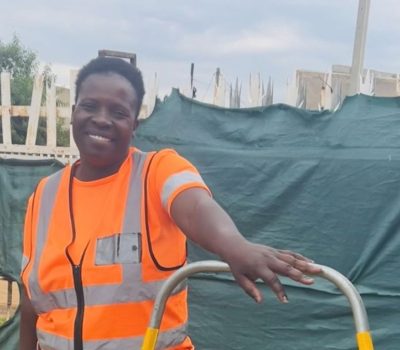
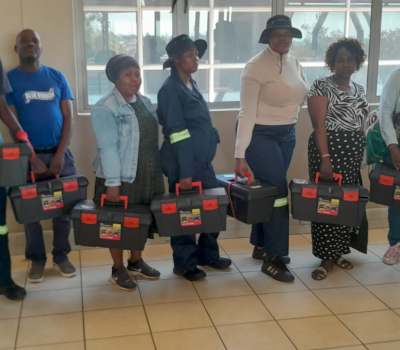
The project will establish four new plastic waste collector groups in communities located close to high-risk waterways. Participants will receive training in plastic waste management, health and safety, and small business development. Each group will also be provided with essential equipment such as protective clothing, collection bags and trolleys to improve the efficiency and safety of their work.
Small collection and sorting hubs will be developed in each community, allowing collectors to safely process larger volumes of recyclable plastics. WasteAid will also help groups build relationships with buyers and aggregators so that the plastics they collect can be reliably sold and recycled.
Alongside this work, the project will focus on community engagement and behaviour change. Information campaigns, local radio discussions and community activities will raise awareness about the risks of plastic pollution and the importance of responsible waste disposal.
WasteAid CEO Ceris Turner-Bailes said: “By supporting waste collectors as entrepreneurs and environmental service providers, WasteAid aims to create lasting change. I want to thank Veralto for their continued support – this project will help protect the Tanbi Wetlands, reduce plastic pollution and create new economic opportunities for local communities. With the right support, waste can become a valuable resource rather than a growing threat to people and nature.”