News
Beyond the Numbers: The Human Impact of WasteAid’s Work
Members of WasteAid’s Gambia team, Lamin Janneh and Jojo Saho, recently investigated what our programmes mean to our individual participants by speaking to members...

WasteAid, the UK-based international NGO that shares waste management and recycling skills with policymakers and communities in lower- and middle-income countries, has welcomed three new Trustees to its Board. Between them, they bring a wealth of experience in government, international development, humanitarian programmes, and water and sanitation.
 Claudio Deola is a Senior Humanitarian WASH (water, sanitation and hygiene) Advisor at Save the Children where he currently coordinates the global humanitarian WASH response. He has almost 20 years of practical experience in the WASH sector, both in direct implementation and in remote support. He has worked with different types of organisations in multicultural environments, in large scale operations and in complex emergencies as well as in early recovery. He has a sound academic grounding in engineering and humanitarian assistance, having completed a MSc in Hydraulic and Environmental Engineering and a MA in Humanitarian Aid. He has a strong commitment to impact effectiveness in humanitarian assistance, and is currently co-chairing the Global WASH Roadmap 2020-2025.
“I’m absolutely thrilled and honoured to become part of the board of trustees. I believe WasteAid’s mission is a crucial one that can improve the health and quality of life of many people and bring more visibility to an overlooked problem. Having just joined the board, I am already incredibly impressed by the work WasteAid is doing and by the commitment, energy and passion of its staff.”
 Enzo Martinelli is an international development professional who has been working for over 30 years with international NGOs based in the UK, Italy and Germany, where he has gained expertise in organisational development, resource mobilisation, programme development and project management. Enzo’s areas of interest are quite diverse and encompass community-based interventions in small business development and microfinance, formal and adult education, human rights protection, freedom of press, media development and environmental protection.
Enzo Martinelli said: “Environmental protection and waste management are critical elements in mitigating climate change risks. Within this context, WasteAid commitment to the promotion of more sustainable practices and policies around waste management is very laudable. I am honoured to have had the opportunity to join their Board of Trustees at a time of exponential growth for the organisation, which is a clear signal of the urgency for such interventions and of the great demand for greater impact for this work worldwide.”
 Deborah Sacks has worked in the waste management industry for over twenty years, in both the public and private sectors. Since 2010 she has run a waste management consultancy that focuses on work with local and central government identifying the steps needed to improve waste management performance within the UK and other countries around the world.
Deborah has also been on the board of a number of different charities in the UK and brings extensive experience to WasteAid in both the UK and abroad.
Chair of the WasteAid Board Sarahjane Widdowson said: “We’re pleased to welcome Deborah, Enzo and Claudio and look forward to strengthening our board with their diverse skills and experience. We’d also like to say a big thank you to our two outgoing trustees Rachel Wildblood and Ray Georgeson, who were founder members of the board. WasteAid continues to make an impact on an important and yet often overlooked area, and the board are ready to support our fantastic staff to continue their impressive work in raising awareness of this important issue and scaling the organisation to amplify our impact.”

News
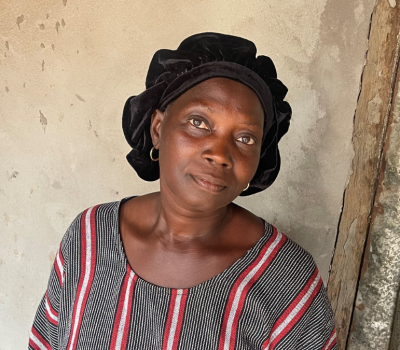
Beyond the Numbers: The Human Impact of WasteAid’s Work
Members of WasteAid’s Gambia team, Lamin Janneh and Jojo Saho, recently investigated what our programmes mean to our individual participants by speaking to members...
News
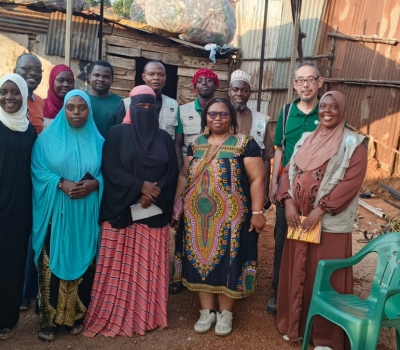
Journey to Uganda: Stories from our projects
Recently, the Programme Management team travelled to Uganda to meet the people at the heart of our waste management programmes, connect with local stakeholders...
News
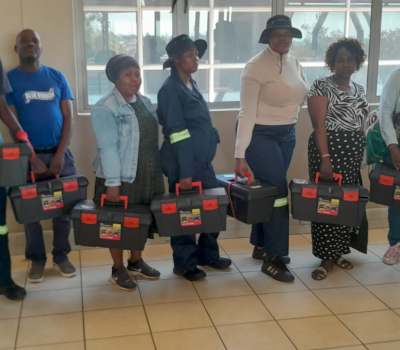
From E-Waste Skills to Sustainable Enterprise: Cosmo City Participants Take the Next Step
What if a broken laptop, television or other electronic appliance wasn’t waste, but an opportunity to repair, reuse and recycle? For participants in WasteAid’s Waste 2...
News
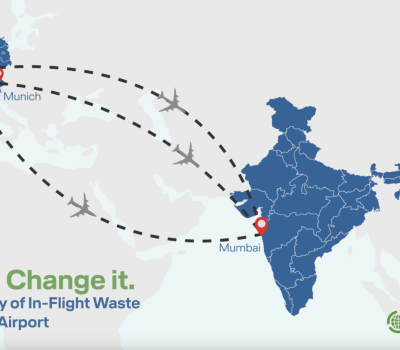
Lufthansa Group and WasteAid Launch Animation Film
WasteAid and Lufthansa Group have launched a new animated training film designed to help cabin crew improve onboard waste segregation, supporting efforts to increase...
News
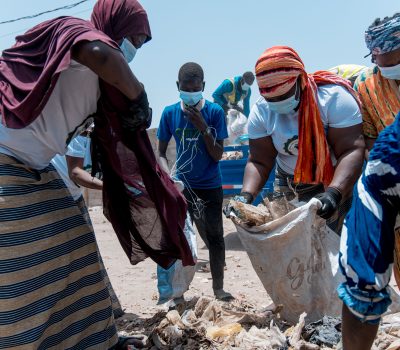
How one community in The Gambia is changing its relationship with plastic
In Bakoteh, a community in the Greater Banjul Area of The Gambia, plastic waste has long been a serious problem. Home to the largest dumpsite in...
News
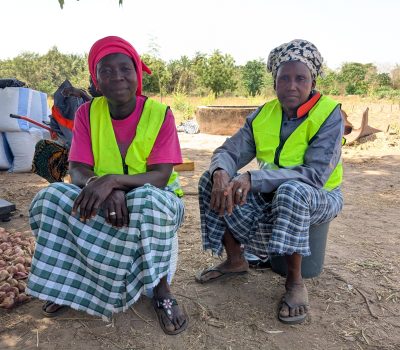
Women farmers in Kalaji turn organic waste into opportunity through the S-ORGANIC project
In Kalaji, a group of women farmers is demonstrating how organic waste can become a productive resource — supporting sustainable agriculture, strengthening livelihoods, and...
The United Nations Climate Change Conference, COP26, is taking place in Glasgow this November. WasteAid has been collaborating with partners to put waste management on the agenda.
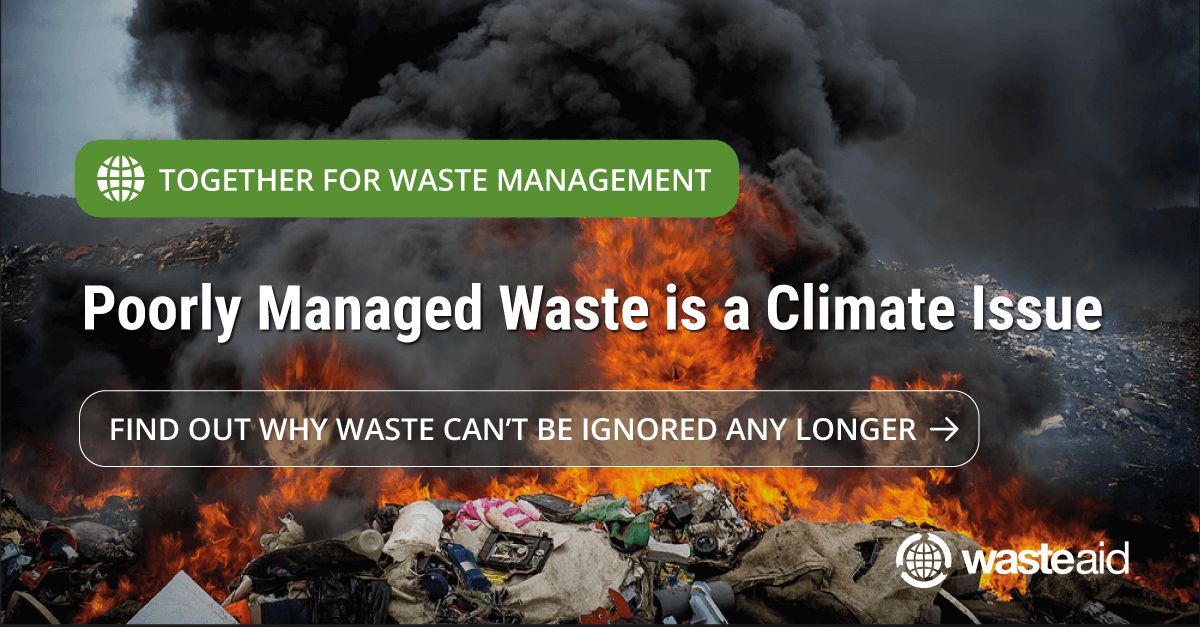
1 in 3 people globally do not have their waste collected, and so have to dump or burn their waste nearby. The impacts are huge – affecting childhood development, spreading disease, and contributing to marine plastic pollution and climate emissions.
Implementing a waste collection service is also good for climate resilience. Keeping plastic waste out of drains reduces flood risk, while composting food waste helps farmers in drought-prone areas to protect their soil.
For these reasons, WasteAid is advocating for climate finance to be directed towards waste management.
Join WasteAid and partners at COP26
8 Nov: Panel discussion – A wasted opportunity: open burning of waste causes a climate and health calamity
9 Nov: Panel discussion – The case for mitigating black carbon – climate and health co-benefits
10 Nov: Exclusive journalists’ roundtable – Collaborating across the value chain for climate action
11 Nov: KEYNOTE EVENT – Panel discussion – The burning issue? Waste, climate, health and development
Scroll down for details
A wasted opportunity: open burning of waste causes a climate and health calamity
Monday 8 November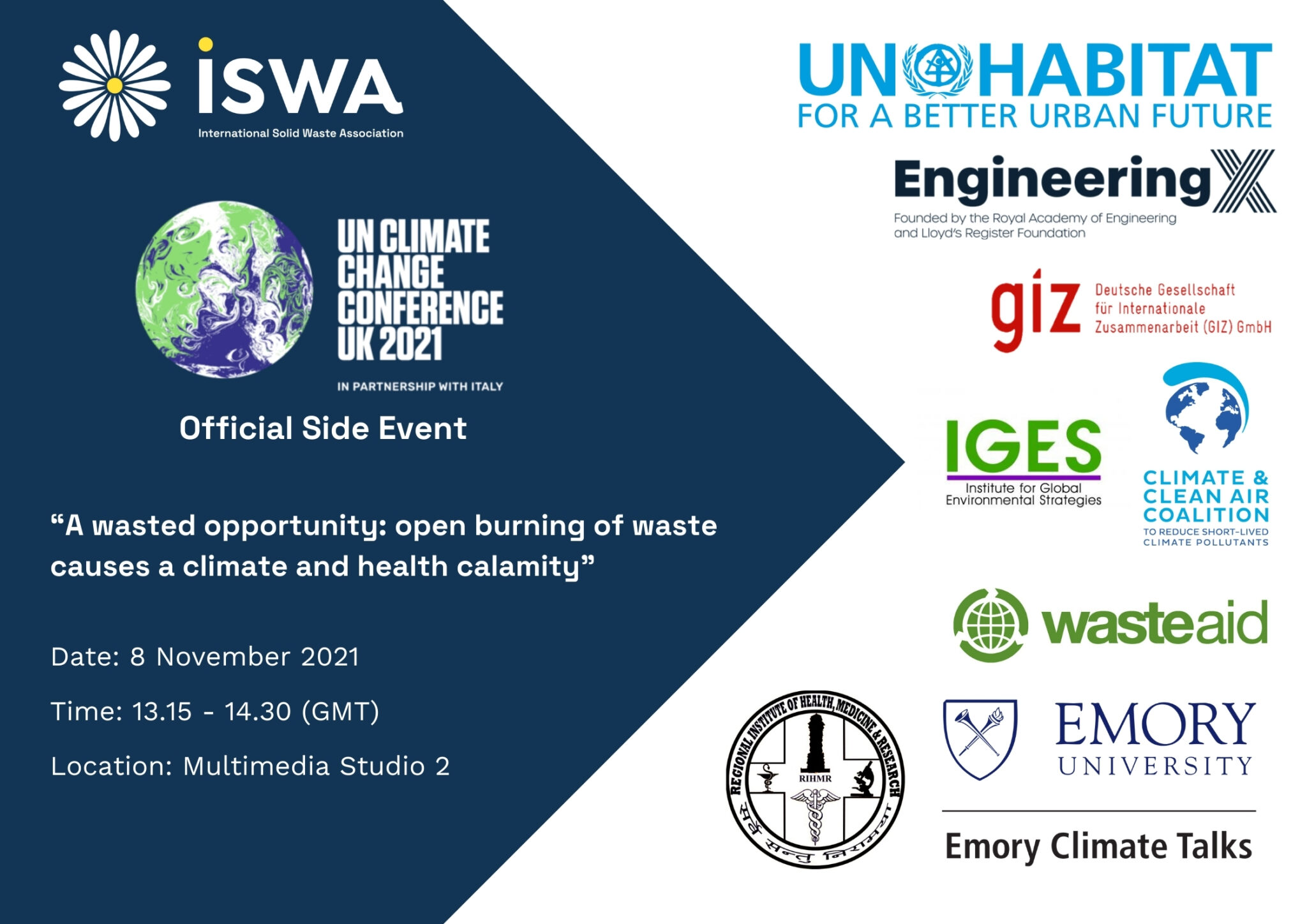
1.15pm – 2.30pm and live streamed (recording available).
Multimedia Studio 2
An official side event at COP26, WasteAid will feature alongside partners from the International Solid Waste Association, Engineering X (Royal Academy of Engineering and Lloyd’s Register Foundation), UN Habitat and more.
Hear diverse voices discussing the climate and health impacts of open burning, and examples of positive change from around the world.
The Case for Mitigating Black Carbon – Climate and Health Co-Benefits
Tuesday 9 November
5.00pm – 6.00pm
WHO Pavilion and live streamed.
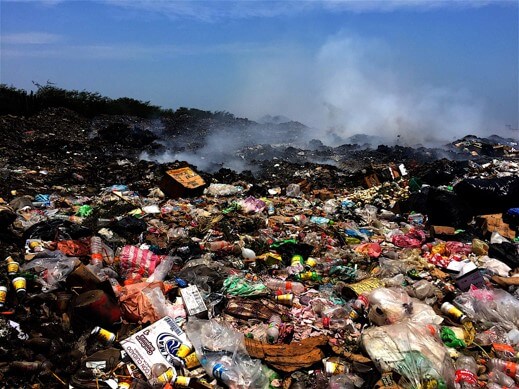
How communities make the connection between the public health and climate benefits of mitigating waste emissions.
Effective strategies for reducing Black Carbon emissions from the waste sector, and how these can support Nationally Determined Contributions.
Techniques for reducing Black Carbon emissions, from ending open burning to closing dumpsites.
Strategies for ending open burning of waste, and tools to assess the benefits of mitigation strategies.
Where can governments start? Who can they call? What toolbox do they need?
Hosted by ABT Associates
Speakers:
Zoë Lenkiewicz, Senior Technical Advisor and Head of Communications, WasteAid
Carlos RV Silva Filho, President of the International Solid Waste Association (ISWA)
Dr Pierpaulo Mudu, World Health Organisation (WHO)
Exclusive: Journalists’ Roundtable with WasteAid and Huhtamaki
Wednesday 10 November
3.30pm – 4.30pm
Online
In advance of the scheduled panel discussion on 11 November, WasteAid and Huhtamaki are offering journalists the opportunity to join a roundtable discussion.
WasteAid and Huhtamaki have been working together since 2020 to help accelerate a circular economy, through the WasteAid Circular Economy Network.
The Zero Waste Cities Challenge, in Ho Chi Minh City, Johannesburg and Guwahati has enabled grassroots innovators and entrepreneurs to develop circular economy solutions in their cities. See the winners!
Find out more about the approaches taken by WasteAid and Huhtamaki to delivering climate action through a circular economy.
Journalists: please contact us on media@wasteaid.org
KEYNOTE EVENT: The Burning Issue? Waste, Climate, Health and Development
Thursday 11 November
10.00am – 11.30am
The Studio, 67 Hope St, Glasgow G2 6AE (outside the secure zone) and live streamed.
For a circular economy to flourish, all actors in the global value chain need to be equipped and empowered – from designing sustainable packaging to keep food safe from farm to fork, to implementing waste collection systems that bring social value.
Join us in Glasgow to hear how global leaders are delivering climate action through an inclusive, circular economy.
This is a free, public event. To attend in person, please register here.
Ceris Turner-Bailes – Chief Executive, WasteAid (sponsoring organisation)
H.E. Mr. Lamin B. Dibba – Minister of Environment, Climate Change and Natural Resources of The Gambia
Maurice Golden MSP – Member of the Scottish Parliament and Convenor of Cross-Party Group in the Scottish Parliament on Circular Economy
Charles Héaulmé – President and Chief Executive, Huhtamaki
Ryan Shorthouse – Director, Bright Blue (chair)
Written by Zoë Lenkiewicz
News
Beyond the Numbers: The Human Impact of WasteAid’s Work
Members of WasteAid’s Gambia team, Lamin Janneh and Jojo Saho, recently investigated what our programmes mean to our individual participants by speaking to members...
News
Journey to Uganda: Stories from our projects
Recently, the Programme Management team travelled to Uganda to meet the people at the heart of our waste management programmes, connect with local stakeholders...
News
From E-Waste Skills to Sustainable Enterprise: Cosmo City Participants Take the Next Step
What if a broken laptop, television or other electronic appliance wasn’t waste, but an opportunity to repair, reuse and recycle? For participants in WasteAid’s Waste 2...
News
Lufthansa Group and WasteAid Launch Animation Film
WasteAid and Lufthansa Group have launched a new animated training film designed to help cabin crew improve onboard waste segregation, supporting efforts to increase...
News
How one community in The Gambia is changing its relationship with plastic
In Bakoteh, a community in the Greater Banjul Area of The Gambia, plastic waste has long been a serious problem. Home to the largest dumpsite in...
News
Women farmers in Kalaji turn organic waste into opportunity through the S-ORGANIC project
In Kalaji, a group of women farmers is demonstrating how organic waste can become a productive resource — supporting sustainable agriculture, strengthening livelihoods, and...
Team Zumo gets involved in support of partner charity WasteAid
This article was written by Daniel Taylor, Lead Content Marketeer at Zumo, and was first published on the Zumo website.
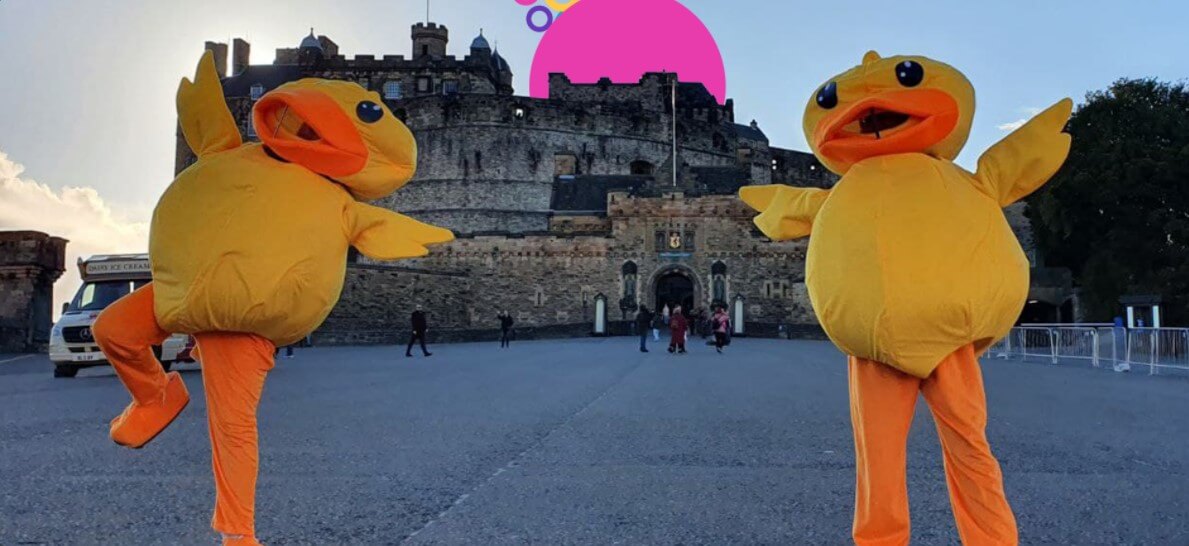
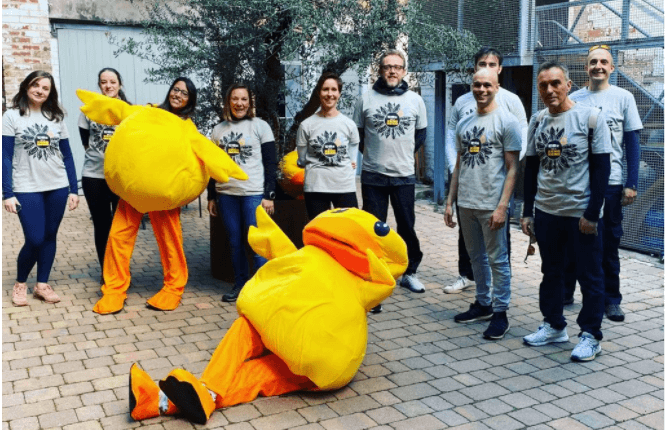
One team, one goal: On Sunday 3 October, members of the Zumo team from across the UK joined together to fundraise for our partner charity WasteAid and show their support for the vital work WasteAid is doing to tackle the problems of waste management and climate change.
As well as a 16.5-mile fundraising and awareness walk starting and finishing at Zumo HQ in Edinburgh, team members across the country have been completing their own fundraising challenges, and all in all we hope to contribute a team total of £5,000 to WasteAid by the end of the year.
With one in three people worldwide forced to dump or burn their waste – causing disease, polluting the oceans, and contributing to the global climate crisis – it’s a cause that has been close to our hearts, and we hope you’ll join us in helping WasteAid continue their great work to protect our planet.
Donations are still open on our JustGiving page – we’re getting tantalisingly close to our target so please do consider making a donation if you can!
If you prefer, you can also donate by text – simply text ZUMO followed by your donation amount to 70085.
Spreading the word
Spurred on by a sun almost as yellow as the Zumo ducks, the Zumo fundraising and awareness walk, which took in a 16.5-mile loop of Edinburgh and city, was a huge success, with a lot of good conversations had along the way and a very encouraging amount of engagement from the public along the route. From Stockbridge to Leith, from Holyrood Park to Edinburgh Old Town, we hope we’ve played our small part in increasing awareness of the great work WasteAid is doing around the world.
As a company, we’re immensely proud to support WasteAid and its mission. Those who have followed us on our journey so far will know that we feel as passionately about protecting and nurturing our environment as we do about cryptocurrency. Our mission is to bring the benefits of crypto to everyone, whilst protecting the future of our planet: to play our part and set an example that we can all be proud of.
Ceris Turner-Bailes, WasteAid CEO, said: “We are grateful to the Zumo team for their superb fundraising activities, part of the company’s longer-term support to WasteAid. From reducing climate emissions to protecting the oceans and public health, waste management is a vital yet often overlooked area. Zumo is helping raise awareness and funds to support better waste management where it’s most needed.”
Rest assured, we’re not stopping here: we’ll continue to keep raising funds for WasteAid and we’ll keep working to progress and practically contribute to the sustainability conversation in our own sector.
We’ve got some more extremely exciting announcements coming soon, so watch this space!
News
Beyond the Numbers: The Human Impact of WasteAid’s Work
Members of WasteAid’s Gambia team, Lamin Janneh and Jojo Saho, recently investigated what our programmes mean to our individual participants by speaking to members...
News
Journey to Uganda: Stories from our projects
Recently, the Programme Management team travelled to Uganda to meet the people at the heart of our waste management programmes, connect with local stakeholders...
News
From E-Waste Skills to Sustainable Enterprise: Cosmo City Participants Take the Next Step
What if a broken laptop, television or other electronic appliance wasn’t waste, but an opportunity to repair, reuse and recycle? For participants in WasteAid’s Waste 2...
News
Lufthansa Group and WasteAid Launch Animation Film
WasteAid and Lufthansa Group have launched a new animated training film designed to help cabin crew improve onboard waste segregation, supporting efforts to increase...
News
How one community in The Gambia is changing its relationship with plastic
In Bakoteh, a community in the Greater Banjul Area of The Gambia, plastic waste has long been a serious problem. Home to the largest dumpsite in...
News
Women farmers in Kalaji turn organic waste into opportunity through the S-ORGANIC project
In Kalaji, a group of women farmers is demonstrating how organic waste can become a productive resource — supporting sustainable agriculture, strengthening livelihoods, and...
WasteAid’s Circular Economy Network has announced the finalists of its Zero Waste Cities Challenge, an innovation competition for green entrepreneurs in Johannesburg, Ho Chi Minh City and Guwahati.
The competition was launched to find grassroots solutions to resource efficiency, waste collection and recycling in South Africa, Vietnam and India.
More than 100 small business owners, social entrepreneurs and product innovators entered the competition, which will eventually see the top six awarded €10,000 prize money and business mentoring to bring their ideas to life.
Following an eight-week business bootcamp, 12 semi-finalists in each hub pitched their circular economy business concepts to panels of esteemed judges, and the most promising 15 have now been selected.
Finalists in Johannesburg, South Africa
Bokashi Bran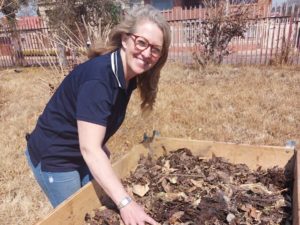
Bokashi Bran has a vision to produce the highest quality bokashi to divert food waste from landfill sites. Bokashi is a composting technique that enables all types of food waste to be returned back to the natural environment. Using the bokashi system saves landfill space and reduces greenhouse gas emissions by 98%.
BoombaDotMobi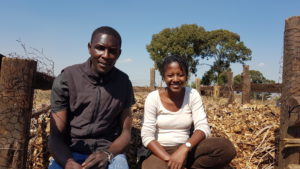
BoombaDotMobi collects organic waste from its paying customers and the wider community to transform it into compost. This is achieved through black soldier fly composting, vermicomposting and heat composting. The team then sells the quality compost product back to local farmers and their community.
Carbon Footprint Recycling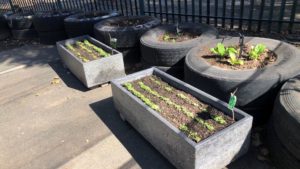
Carbon Footprint Recycling focuses on niche solutions for non-recyclable printer cartridges. Most cartridges end up in landfills and become hazardous. The team diverts, collects and dismantles them. The mild steel and aluminium are traded to recyclers while other materials are reused to make concrete-based products.
Makhabisi Recycling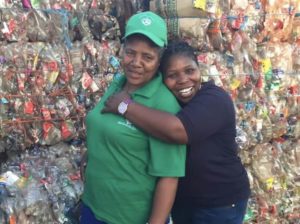
Makhabisi Recycling & Trading is a 100% black and female-owned company that collects dry recyclables in Johannesburg, diverting them from landfill and prolonging their value. The company aims to drive awareness, educate the community and create a more sustainable environment for local people.
Tash The Recycling Guy
Tash The Recycling Guy was born out of the Tshwane innovation challenge for local students. Their entry to the semi-finals was focused on a small, modular machine that compresses plastic waste to reduce its volume, allowing for easy and efficient transport to a recycling facility.
Judging panel in Johannesburg
Douw Steyn, Director of Sustainability, Plastics Federation of SA
Anele Sololo, Chairperson, National Recycling Forum
Ntokozo Majola, Executive Manager, Seda
Camilo Ramada, Senior Advisor, Business Finland
The final round will be held virtually on 21 October, 2021.
Finalists in Ho Chi Minh City, Vietnam
Green Connect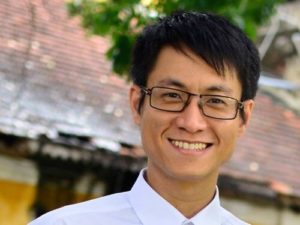
Green Connect has created a mobile app, Green Points, which uses gamification to make green living easier and more enjoyable. The app incentivises people to take green actions, such as recycling or using less plastic, rewarding them with a virtual currency that can be exchanged for a range of benefits or donated to charity.
Papa’s Dreamer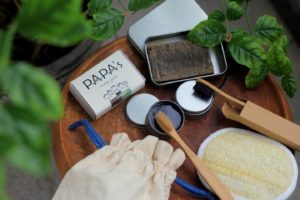
Papa’s Dreamer is a brand that is creating a green value chain for shower and hygiene products, cutting down poisonous wastewater released into the environment in the process. The team are guided by their ethical production principles, including setting a daily limit of production and avoiding nylon as well as plastic.
Rechic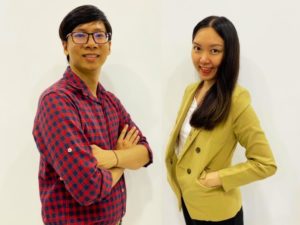
In Vietnam, secondhand marketplaces do not exist. At the same time, 70% millennials prefer eco fashion, yet 43% admit to throwing an item away after just one use. Rechic aims to be Vietnam’s first pre-loved fashion marketplace, curbing consumption habits and keeping clothing in use for longer.
University of Economics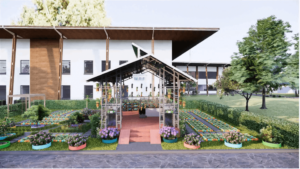
Based in Ho Chi Minh City, the University of Economics has a goal to build the first zero waste university. How? Through the adoption of The Three R’s (reduce, reuse, recycle) and by running campaigns to raise awareness as well as to encourage behavioural change across the community on campus.
Veca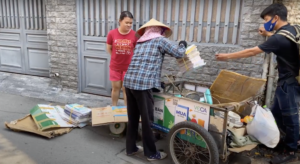
Veca is a mobile app that connects scrap sellers and dealers on Android and iOS platforms, supporting the scale of waste proactively and with complete transparency on prices. Through the innovation, the team are revolutionising the way informal waste pickers work and helping to divert huge amounts of waste from landfills.
Judging panel in Ho Chi Minh City
Sam Wood, Deputy Head, British Consulate in Ho Chi Minh City
Uyen Mai, South East Asia Sustainability Leader, Dow Chemical
Matteo Chiampo, Director of Operations, SecondMuse Singapore
Klaus Oberbauer, Programme Manager, SecondMuse Singapore
The final round will be held virtually on 19 October, 2021.
Finalists in Guwahati, India
Golden Feathers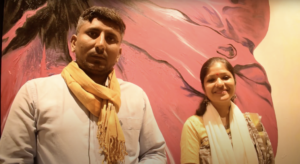
Golden Feathers diverts chicken feather waste from reaching the landfill and converts it into fibre that can be used to make insulation material and handloom apparels. The work already provides better economic and social opportunities for more than two hundred tribal women in India.
Inside Out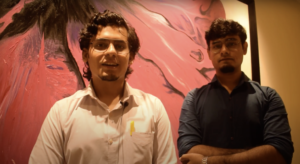
Hailed as the most troublesome weed in the world, water hyacinth is notorious in Guwahati for creating ecological imbalance and waste. The Inside Out duo have found a way to make paper out of the weed in the only wetland state of Assam, reducing the need for wood pulp. Crafts are also made from the weed.
Ittisha Sarah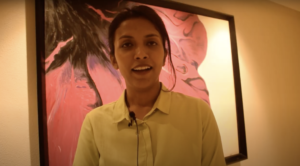
Founder of the Northeast Waste Collective, Ittisha Sarah is finding ways to ensure the safe recycling of printed circuit boards. Her innovation is aimed at integrating the formal and informal sector in e-waste management. The idea will also contribute to securing the livelihoods of the informal workforce.
Midway Journey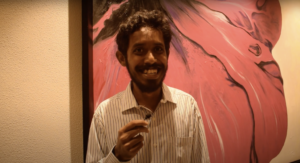
Midway Journey is seeking to scale its already successful pilot project, Power of 300, which collects and recycles dry waste from 300 households in exchange for a fee while supporting the informal waste sector. The team has a goal to serve 3,000 households, aiming to collect 15 tonnes of recyclable waste every month.
Shree Guru Plastics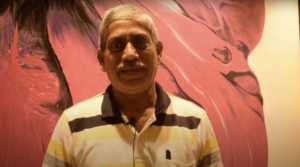
Already an established business, Shree Guru Plastics is looking to increase the recycling capacity of its facility in Guwahati. How? Through use of better technology to extend the life of low value and contaminated plastics – which are often left out from the recycling chain and end up in the city’s only waste disposal site.
Judging panel in Guwahati
Sumit Jugran, Sustainability and CSR Manager, Tetra Pak
Sanjib Bezbaroa, Vice President: Corporate EHS, ITC Ltd
Gautam Mehra, Deputy Team Leader of Circular Economy Solutions, Giz India
The final round will be held virtually on 20 October, 2021.
Congratulations to all the finalists, and our thanks to all the business mentors for helping them become pitch-ready!
WasteAid would also like to extend our gratitude to the esteemed judges in each of the three cities, who will be selecting the final winners.
Please follow the WasteAid Circular Economy Network on LinkedIn and Twitter for the latest updates.
The Zero Waste Cities Challenge is part of WasteAid’s Circular Economy Network, funded by Huhtamaki.
Written by Zoë Lenkiewicz
News
Beyond the Numbers: The Human Impact of WasteAid’s Work
Members of WasteAid’s Gambia team, Lamin Janneh and Jojo Saho, recently investigated what our programmes mean to our individual participants by speaking to members...
News
Journey to Uganda: Stories from our projects
Recently, the Programme Management team travelled to Uganda to meet the people at the heart of our waste management programmes, connect with local stakeholders...
News
From E-Waste Skills to Sustainable Enterprise: Cosmo City Participants Take the Next Step
What if a broken laptop, television or other electronic appliance wasn’t waste, but an opportunity to repair, reuse and recycle? For participants in WasteAid’s Waste 2...
News
Lufthansa Group and WasteAid Launch Animation Film
WasteAid and Lufthansa Group have launched a new animated training film designed to help cabin crew improve onboard waste segregation, supporting efforts to increase...
News
How one community in The Gambia is changing its relationship with plastic
In Bakoteh, a community in the Greater Banjul Area of The Gambia, plastic waste has long been a serious problem. Home to the largest dumpsite in...
News
Women farmers in Kalaji turn organic waste into opportunity through the S-ORGANIC project
In Kalaji, a group of women farmers is demonstrating how organic waste can become a productive resource — supporting sustainable agriculture, strengthening livelihoods, and...
Today, WasteAid published its first annual review – a report that focuses on our developments and most important successes since April 2020. It shares key figures, programme and partnership spotlights, and our newly developed Theory of Change. The Annual Review also takes the opportunity to look ahead to our vision of inclusive waste management and practical examples of our solutions and approach.
 WasteAid’s Chief Executive, Ceris Turner-Bailes, said: “WasteAid’s achievements over the last 18 months are testament to the dedication of our team and the clear and pressing need for better waste management globally. Despite the pandemic we have managed to develop sustainable and scalable models, support innovation in lower- and middle-income countries, engage with policy makers, and build highly impactful corporate and institutional partnerships.
“I am delighted to be launching WasteAid’s first ever Annual Review and am grateful to all the partners, supporters, donors and team members who have helped us reach where we are today.”
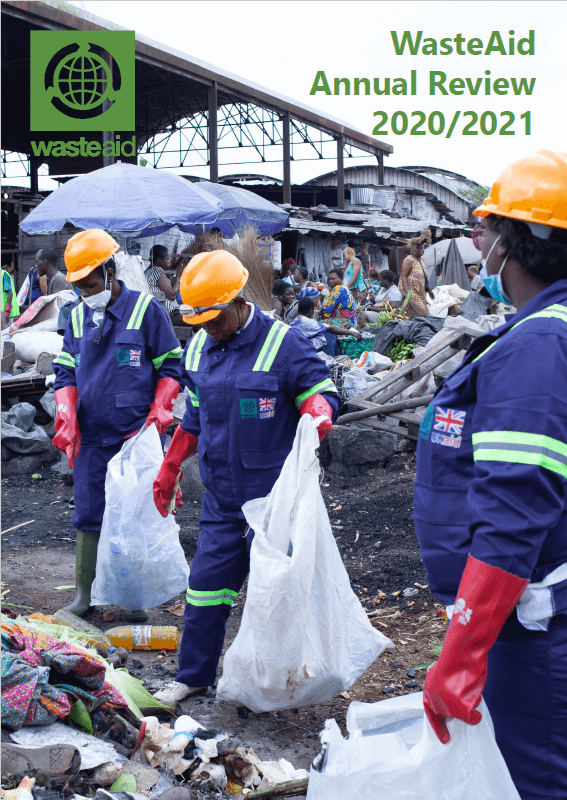
Click on the image above to download the WasteAid Annual Review 2020/21
News
Beyond the Numbers: The Human Impact of WasteAid’s Work
Members of WasteAid’s Gambia team, Lamin Janneh and Jojo Saho, recently investigated what our programmes mean to our individual participants by speaking to members...
News
Journey to Uganda: Stories from our projects
Recently, the Programme Management team travelled to Uganda to meet the people at the heart of our waste management programmes, connect with local stakeholders...
News
From E-Waste Skills to Sustainable Enterprise: Cosmo City Participants Take the Next Step
What if a broken laptop, television or other electronic appliance wasn’t waste, but an opportunity to repair, reuse and recycle? For participants in WasteAid’s Waste 2...
News
Lufthansa Group and WasteAid Launch Animation Film
WasteAid and Lufthansa Group have launched a new animated training film designed to help cabin crew improve onboard waste segregation, supporting efforts to increase...
News
How one community in The Gambia is changing its relationship with plastic
In Bakoteh, a community in the Greater Banjul Area of The Gambia, plastic waste has long been a serious problem. Home to the largest dumpsite in...
News
Women farmers in Kalaji turn organic waste into opportunity through the S-ORGANIC project
In Kalaji, a group of women farmers is demonstrating how organic waste can become a productive resource — supporting sustainable agriculture, strengthening livelihoods, and...
Across the world, populations are growing and economies are evolving. But when we buy more, we also generate more waste, more pollution and more climate change emissions. Most countries are struggling to keep up. In fact, 1 in 3 people globally do not have access to a waste management service – leading to them burning it in their backyards or dumping it across their neighbourhoods.
The climate science? Open burning of waste in lower- to middle-income countries contributes up to 10% of global climate change emissions. That’s double the negative impact than found in the aviation industry. Yet, it has a simple solution that has been tested and trusted for decades.
Despite being a relatively quick win for the planet and people, however, waste management is still missed from the agenda at important climate conferences – including COP26.
Below, we break down exactly why waste is a climate issue and what needs to change for waste management to be taken seriously as a climate threat. We also look at why COP26 is so important and what WasteAid will be advocating for during the upcoming climate conference and beyond.
Why is waste a climate issue?
To understand how and why waste management is a climate issue, it can be helpful to start with the lens of what has already happened over the last couple of decades in the UK.
Today, the most potent greenhouse gas emissions from waste management in the UK are largely down to methane from landfill sites, waste incineration and transport.
Methane is a harmful gas that is emitted from landfills when biodegradable waste (anything that can be returned to the soil like food or paper) is buried and compressed. It is 24 times more potent in global warming terms than carbon dioxide (CO2). This shocking statistic is the reason the European Landfill Directive came into action in 2000, which mandated all member states to reduce the volume of their biodegradable municipal waste going to landfill.
As a result of the legislative act, local councils introduced kerbside recycling across the country while also increasing waste incineration for energy recovery – which is now under the spotlight as the UK’s most carbon-intensive way of generating energy.
But simple waste collection services are still not available in many other parts of the world.
For lower- to middle-income countries such as Nigeria, the majority of greenhouse gas emissions from waste are the result of open burning in backyards or dumpsites. The open burning of waste is a widespread practice in places with incomplete waste management systems. In fact, the activity contributes up to 10% of global carbon emissions – making poorly managed waste everyone’s issue.
As an example, let’s compare the two countries in terms of carbon emissions:
The United Kingdom generates around 500 metric tonnes of CO2 emissions each year. That’s roughly the same for Nigeria too. In the United Kingdom, however, waste is responsible for 4% of these emissions while this figure stands at 14% for Nigeria.
With no access to a waste management service, 1 in 3 people worldwide have no choice but to dump or burn their waste. Open waste burning is a significant emitter of black carbon, CO2 and carbon monoxide (CO) as well as other harmful gases like dioxins and furans.
These greenhouse gases (black carbon, CO2 and CO) lead to climate change.
Black carbon, dioxins and furans also have significant health impacts on people and animals (cancer is one example). In fact, nine million people die from diseases linked to waste and pollution every year. Pollution from open burning is particularly harmful to children, negatively impacting their health and physical and mental development.
Alongside reducing emissions, waste management plays an important role in building climate resilience.
Countries with inadequate solid waste management are often also the most vulnerable to climate shocks. Forest fires, flash floods and the spread of disease are on the rise in these regions. So, how exactly can waste management help to reduce these human-related environmental challenges?
To start with, forest fires can be reduced by eliminating the open burning of waste. Flash floods can be mitigated by the clearing of drains and waterways. Diseases can be avoided by keeping towns and cities clean, reducing mosquito breeding grounds and informal dumpsites that attract vermin, as well as reducing pollutants in air, groundwater, and the food chain.
Investment in sustainable and inclusive waste management systems means an investment in resilience to climate shocks and disasters for the most marginalised communities of today.
But for the international waste management community, securing financial investment isn’t all that easy. It brings another problematic question to light – how do you measure the impact from avoided open burning or poorly managed waste in general? While there are patterns, every pile of waste – and every community affected – is different to the next.
With no internationally agreed standard for estimating the climate emissions from open burning, waste management has been left off the agenda at COP26 once again. That’s despite knowing the activity contributes significant climate and health impacts, and has a relatively simple and affordable solution that is already available.
A global standard must be agreed for waste to be properly included in each country’s Nationally Determined Contributions (NDCs) and for waste management to attract sufficient climate finance.
How WasteAid is making an impact through its projects
Most of WasteAid’s activities contribute towards the reduction of climate emissions from poorly managed waste. Whether that’s increasing recycling in Cameroon, reducing food waste in The Gambia or supporting circular economy entrepreneurs in India, South Africa and Vietnam with seed funding and business mentoring.
As open burning is a commonplace approach to waste disposal in lower- to middle-income countries, any activity that diverts waste from disposal can avoid climate change emissions by reducing:
Programmes managed by WasteAid also build climate resilience by:
Why is COP26 significant?
The upcoming climate conference, COP26, is the 26th United Nations Climate Change Conference. This year, it will be hosted in Glasgow, Scotland, under the presidency of the UK government 1st-12th November. But what makes this particular event so important?
COP26 is the first time that national governments across the world are expected to commit to “enhanced ambition” since COP21. That means reviewing and updating each of their Nationally Determined Contributions (NDCs) to reduce greenhouse gas emissions.
Commitments to reporting on NDCs were outlined during COP21 in 2015 as a result of the Paris Agreement. This agreement stipulates all parties involved must review their Nationally Determined Contributions in line with global emissions reduction targets and take on new commitments every five years.
COP26 was due to be held in 2020 but was postponed due to the COVID-19 pandemic.
What WasteAid and partners are advocating for at COP26 and beyond
COP26 presents a big opportunity for inadequate waste management to be taken seriously. Not only are the climate change emissions from open burning of waste backed by science, but the solutions are already available and easily replicable.
Together with our partners, here’s what WasteAid is advocating for at COP26 and beyond:
Short-term goals
First on the agenda? Poor waste management in lower- to middle-income countries to be recognised by global decision makers as a significant greenhouse gas emitter and barrier to climate resilience. Sustainable and inclusive waste management is a relatively quick win for the planet and people. But if the right people don’t know about it – or are unwilling to do something about it – then little is likely to change.
Without access to better infrastructure, the most marginalised communities in the world will struggle to gain control of their waste, impacting their health and livelihoods. Another of WasteAid’s goals is for lower- to middle-income governments to recognise that waste management is a cost-effective and achievable way to reduce climate change emissions. Waste tends to fall down the priority list in these countries as other needs, such as clean water and healthcare are rightly prioritised. Waste management, however, can help meet many of the Sustainable Development Goals at once while reducing climate emissions and building climate resilience.
One big challenge for the global waste community is the lack of a standardised method for measuring the emissions of poorly managed waste, making it difficult to attract climate finance for the issue. A key goal for WasteAid and partners is therefore getting global decision makers to agree to an internationally agreed standard for estimating the climate impact of poorly managed waste in lower- to middle-income countries.
Sustainable waste management doesn’t stop at measurement though. To prevent climate change and work towards sustainability, the old ‘business-as-usual’ trajectory must change. That’s why WasteAid is campaigning for a circular economy approach and its positive contribution to preventing climate change to be recognised by policy makers and supported through funding decisions.
Mid-term goals
Waste management needs a seat at the table, especially when it comes to important climate conferences like COP26. A further shared goal is for lower- to middle-income countries to include solid waste management in their NDCs. By incorporating the issue into their national climate targets, countries will become accountable for making improvements to waste management infrastructure while raising the quality of life for their citizens.
But these countries can’t do this alone. Despite generating the least emissions per person and having the least agency to change current practices, it is the most marginalised communities who are the most affected. That is why WasteAid is advocating for climate finance to be directed towards waste management in lower- to middle-income countries. Waste management can reduce emissions significantly and help protect the poorest from climate shocks, like forest fires or flash floods.
Long-term goals
For WasteAid and partners, long-term is that a funding and policy focus leads to improved sustainable waste management in lower- to middle-income countries. This in turn will lead to improved sustainable waste management, reducing climate emissions and building climate resilience. By achieving these goals, climate change emissions can be significantly reduced and the lives of millions of people within the most marginalised areas of the world greatly improved.
Together for our planet
Waste is an inevitable by-product of human life. Whether in large or small amounts, almost every human activity has some sort of waste-related side effect. But it is the way in which we manage waste that is the most important factor when it comes to climate change.
Are you attending COP26? Come along to the WasteAid & Bright Blue panel discussion event ‘The Burning Issue? Waste, Climate, Health and Development’ on 11th November at 10:00 (UTC) to get to grips with the challenge on an even deeper level. Watch this space for more information coming soon.
Think waste needs sorting? Follow WasteAid on Twitter and LinkedIn as we release new content in the run up to COP26, educating and inspiring the world to take action.
Written by Nat Libby
News
Beyond the Numbers: The Human Impact of WasteAid’s Work
Members of WasteAid’s Gambia team, Lamin Janneh and Jojo Saho, recently investigated what our programmes mean to our individual participants by speaking to members...
News
Journey to Uganda: Stories from our projects
Recently, the Programme Management team travelled to Uganda to meet the people at the heart of our waste management programmes, connect with local stakeholders...
News
From E-Waste Skills to Sustainable Enterprise: Cosmo City Participants Take the Next Step
What if a broken laptop, television or other electronic appliance wasn’t waste, but an opportunity to repair, reuse and recycle? For participants in WasteAid’s Waste 2...
News
Lufthansa Group and WasteAid Launch Animation Film
WasteAid and Lufthansa Group have launched a new animated training film designed to help cabin crew improve onboard waste segregation, supporting efforts to increase...
News
How one community in The Gambia is changing its relationship with plastic
In Bakoteh, a community in the Greater Banjul Area of The Gambia, plastic waste has long been a serious problem. Home to the largest dumpsite in...
News
Women farmers in Kalaji turn organic waste into opportunity through the S-ORGANIC project
In Kalaji, a group of women farmers is demonstrating how organic waste can become a productive resource — supporting sustainable agriculture, strengthening livelihoods, and...