News
How one community in The Gambia is changing its relationship with plastic
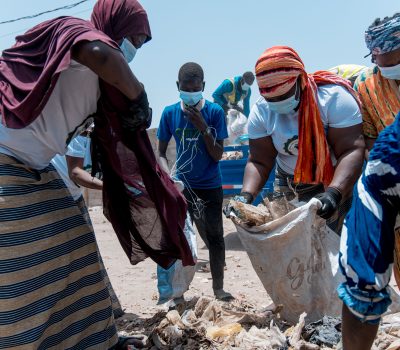
In Bakoteh, a community in the Greater Banjul Area of The Gambia, plastic waste has long been a serious problem. Home to the largest dumpsite in...

Ambitions to achieve zero greenhouse gas emissions by 2050 will rely on low carbon technology, which in turn depends upon the availability of rare elements such as cobalt and lithium. But with electrical and electronic goods being casually disposed of in landfills and dumpsites around the world, dwindling supplies of these vital materials may hinder our efforts to bring climate emissions under control.
What is e-waste?
E-waste is comprised of used electrical and electronic equipment that has circuitry or electrical components and a power or battery supply, and falls into six categories:
Each of these categories has a different lifetime (how long the product is expected to last before breaking or becoming technologically obsolete) and has different waste quantities, economic values, and environmental and health impacts if disposed of improperly. Likewise, people have different perceptions and attitudes towards e-waste and variable access to recycling services, meaning far too many of these items – and the vital rare elements they contain – are being thrown away.

A man sorting parts from old electronic gadgets. This photo was taken in a rural part of West Bengal, India, where a community of 30 people recovers tin, silicon, iron, aluminium, lead, copper, gold and a variety of plastics from e-waste. Photo: WasteAid / Avijit Ghosh.
Environmental and human risks of poor e-waste disposal
If we don’t get e-waste recycling sorted, disc drives, circuit boards, solar panels and electric vehicle batteries could all be affected by the lack of availability of rare metals.
Calls have been made to make e-waste recycling compulsory. The International Energy Agency recently calculated that demand for critical and rare minerals will grow by six times by 2040, with demand for lithium growing to 40 times today’s demand due to its use in batteries. If low-carbon technology becomes unaffordable because of a lack of vital materials, it is unlikely that climate targets will be met.
The continual mining of various metals and other resources required to make electrical and electronic goods not only depletes resources, but mining itself causes lasting environmental issues, habitat displacement for wildlife, and often involves poor and dangerous working conditions.
Furthermore, when disposed of improperly these materials also cause specific threats to the natural world and human health. A study in 2016 found that the backyard recycling of lead-acid car batteries is the number one source of pollution in the world’s poorer nations, leading to millions of years of healthy life being lost and profoundly affecting childhood development.
The impacts of poor e-waste management include:
Air pollution: Separating the valuable components from e-waste is not a simple task, since they are rarely designed for disassembly. For example, copper wires in computer equipment are often recovered by open burning that removes the plastic casing but leads to significant and harmful release of hydrocarbons. Meanwhile, the chemical stripping of gold-plated computer chips releases emissions of brominated dioxins and heavy metals.
Water pollution: Older televisions, video cameras and computer monitors containing cathode ray tubes which have a recycling value. These items are broken apart to recover the cathode ray tube, and the rest of the shell or casing is dumped. The shells contain lead and barium which can leach through the soil into groundwater, endangering wildlife and the communities who depend on the water source for drinking and bathing.
Soil pollution: Dumped e-waste leaches toxic particles of heavy metals into the soil, where they are absorbed by crops and enter the human food chain. Once in the human body, these heavy metals accumulate and have been implicated in a range of harmful diseases including Alzheimer’s, diabetes and several forms of cancer.
Information security: A lot of our personal data is saved on electronic equipment, meaning if the item is improperly disposed of it can pose a threat to personal and business security. Hard drives need to be erased properly to prevent sensitive information being exposed, such as credit card numbers, financial data and bank account records.
Human exploitation: While there are a many legitimate e-waste recycling organisations, the industry is also blighted by modern day slavery. The work to recover precious metals from used electronic and electrical equipment can be dangerous and workers are often underpaid and denied basic rights.
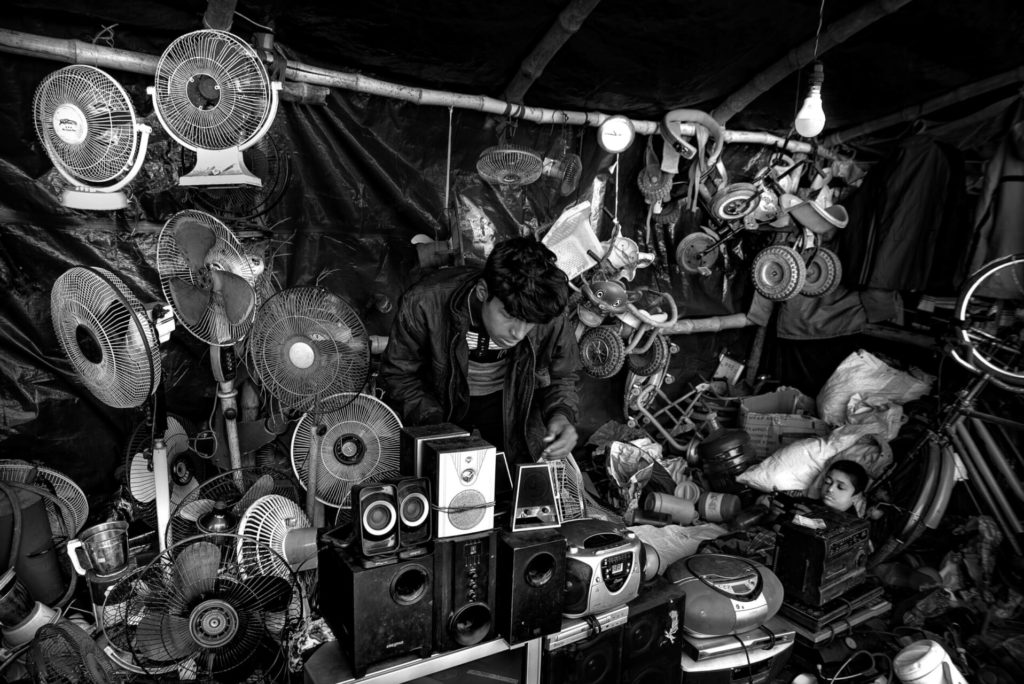
The secondhand electronics market is a vital way to keep resources in the loop. Photo: WasteAid / Surav Das in West Bengal.
Recycle your e-waste with WasteAid
For World Environment Day 2021, WasteAid is teaming up with musicMagpie in the UK, who are donating £1 for each piece of consumer tech customers trade in with them. In addition, sellers will have the option to donate the value offered by the recommerce platform to the charity.
The money raised during this campaign will contribute to WasteAid’s programmes and support the development of educational materials on how to tackle the issue of e-waste, and importantly how to recycle and repair unwanted technology.
If you are in the UK and like many people, have a drawer full of old phones and other small electrical items, now is the time for a spring clean. By recycling your e-waste with musicMagpie through the month of June 2021, you can support communities and policy makers in lower-income countries to help reduce pollution, protect human health and save vital resources for climate-friendly technology.
Written by Zoë Lenkiewicz

News
How one community in The Gambia is changing its relationship with plastic
In Bakoteh, a community in the Greater Banjul Area of The Gambia, plastic waste has long been a serious problem. Home to the largest dumpsite in...
News
Women farmers in Kalaji turn organic waste into opportunity through the S-ORGANIC project
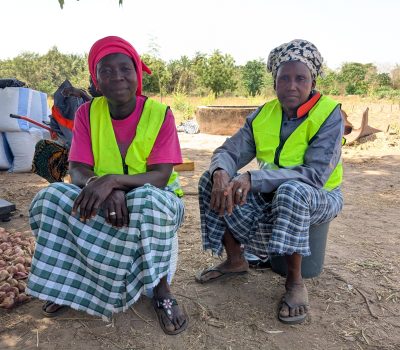
In Kalaji, a group of women farmers is demonstrating how organic waste can become a productive resource — supporting sustainable agriculture, strengthening livelihoods, and...
News
WasteAid and the Turkish Embassy: A New Partnership for Sustainable Change in The Gambia
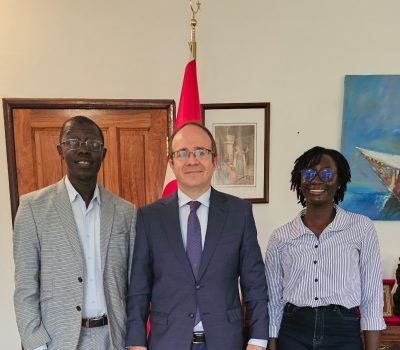
On 12 May 2026, WasteAid’s Director of Programmes and Project Officer met with Turkish Ambassador F. Turker Oba at the Turkish Embassy in The...
News
WasteAid and Kanifing Municipal Council sign MoU to strengthen long-standing partnership on sustainable waste management
WasteAid and Kanifing Municipal Council have signed a new Memorandum of Understanding (MoU), marking an important milestone in a partnership that has developed over more than a decade. ...
News
Responding to Community Needs: The Commencement of HUBLINK with Halal Waste Group in Uganda
We have a wealth of evidence demonstrating the positive impact of our Wastepreneur programme. A key driver of this success is our proactive approach—identifying and resolving challenges as soon...
News
Strengthening The Gambia’s Circular Economy: Insights from WasteAid’s Stakeholder Engagement
We have huge plans to further strengthen and scale our programmes in the countries we work in, evidenced by our recent expansion of our...

The first part of 2021 has been difficult for all, but here at WasteAid it feels as if things are moving in the right direction – the lockdowns across the UK have lifted and WasteAid managed its first socially distanced UK-based staff meeting in too long. It was so important to meet face to face and great to catch up and share ideas. All of us who attended felt refreshed and re-energised and we were able to welcome in person our new Head of Finance, Charles Njoko. I hope that many of our supporters, donors and partners are feeling equally optimistic as we head into Summer. However, in some countries where WasteAid has a presence, we know that staff and partners are still facing incredibly tough challenges due to the pandemic and our thoughts are with you all.
Quite a lot has happened since my last update, our programmes team, headed by Angela McDermott has been preparing for the launch of our European Union funded Global Climate Change Alliance Plus (GCCA+) project in The Gambia. We are delighted to be working in partnership with Kanifing Municipal Council on this circular economy initiative that focuses on reducing food waste and supporting women’s livelihoods. It is very exciting to be working with a new institutional donor on this project and we hope that this also will be the start of a fruitful collaboration. Since its inception, WasteAid has been active in The Gambia and we are pleased that our work is able to influence local government practice when it comes to waste and recycling. There’s so much positive energy in the country towards the green recovery initiative, and WasteAid is honoured to be able to play a small part in its journey. That said, there is still so much more to do, and we have a list of priority projects that we would like to fund. If you would be interested in funding our work in The Gambia, perhaps as part of your CSR strategy, then please get in contact.
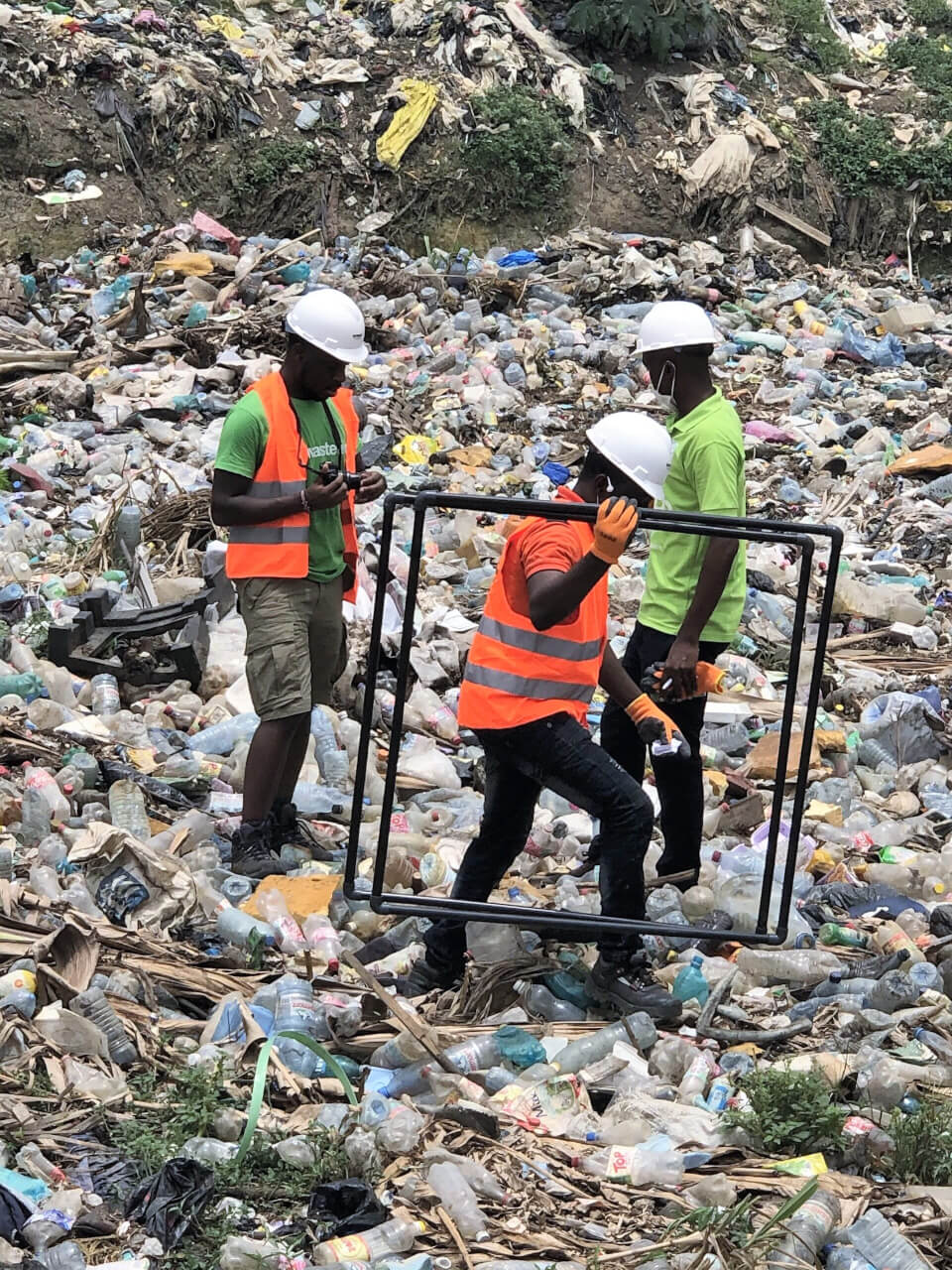
It was also fantastic to have the WasteAid team travel again to project sites too. Last month, our project manager Luther Hinga, travelled to Douala in Cameroon to follow up on two of WasteAid’s projects there. He liaised closely with our partner organisation, RED PLAST, and was able to support project activities and work with RED PLAST and beneficiaries to ensure that our UK Aid Match project and our Bunzl Plc funded projects were transforming lives and reducing plastic waste. At the same time, he found time to pass his DELF B1 French language exam and introduce a potential new corporate partnership focused on WasteAid activities in Cameroon. Well done, Luther!
One of the key events in the last month has been the launch of WasteAid’s Circular Economy Network Zero Waste Cities Challenge. This is a fabulous initiative to support innovators and entrepreneurs to solve the waste crisis in Ho Chi Minh, Johannesburg and Guwahati. In each of these locations WasteAid will be supporting businesses through incubation and training and will be offering 10,000 Euros seed funding to two organisations in each location. The network also continues to deliver inspiring and educational content through webinars and through its website. The network is growing and I am constantly amazed and inspired by all those involved in developing the circular economy and reducing waste in these locations.
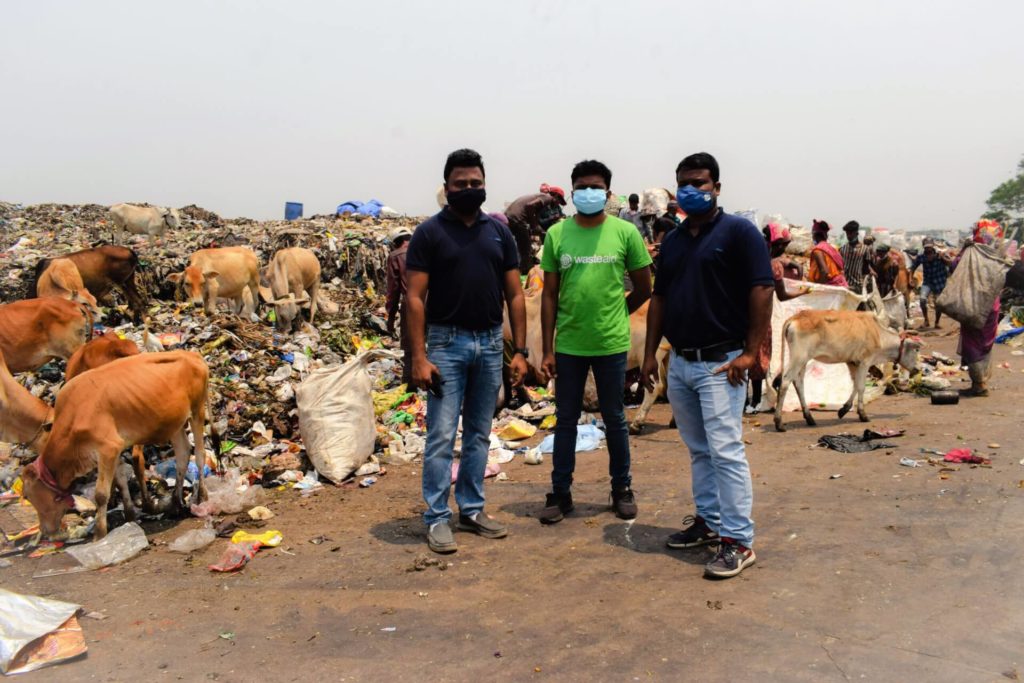
Since my last update, it has also been hugely heartening to see a real leap in corporate engagement with WasteAid. We are all delighted that our work on building a circular economy network and advancing solid waste management in areas of the world not served by it is really resonating with socially aware, responsible corporate entities. WasteAid individually tailors its corporate partnerships to ensure that these are mutually beneficial and have the greatest impact for our programme beneficiaries. If you are developing a CSR or sustainability policy and are looking for an organisation that can help deliver your goals, please do get in contact with us. WasteAid’s work transforms livelihoods, the environment and communities and we would love to hear how we may work together with you. We will be announcing more exciting corporate partnerships in the coming weeks.
Finally, to all our partners, supporters and donors, please stay safe during these uncertain times. Our thoughts are particularly with our friends and partners in India as the country battles a huge wave of Covid cases.
News
How one community in The Gambia is changing its relationship with plastic
In Bakoteh, a community in the Greater Banjul Area of The Gambia, plastic waste has long been a serious problem. Home to the largest dumpsite in...
News
Women farmers in Kalaji turn organic waste into opportunity through the S-ORGANIC project
In Kalaji, a group of women farmers is demonstrating how organic waste can become a productive resource — supporting sustainable agriculture, strengthening livelihoods, and...
News
WasteAid and the Turkish Embassy: A New Partnership for Sustainable Change in The Gambia
On 12 May 2026, WasteAid’s Director of Programmes and Project Officer met with Turkish Ambassador F. Turker Oba at the Turkish Embassy in The...
News
WasteAid and Kanifing Municipal Council sign MoU to strengthen long-standing partnership on sustainable waste management
WasteAid and Kanifing Municipal Council have signed a new Memorandum of Understanding (MoU), marking an important milestone in a partnership that has developed over more than a decade. ...
News
Responding to Community Needs: The Commencement of HUBLINK with Halal Waste Group in Uganda
We have a wealth of evidence demonstrating the positive impact of our Wastepreneur programme. A key driver of this success is our proactive approach—identifying and resolving challenges as soon...
News
Strengthening The Gambia’s Circular Economy: Insights from WasteAid’s Stakeholder Engagement
We have huge plans to further strengthen and scale our programmes in the countries we work in, evidenced by our recent expansion of our...
WasteAid, the UK-based international NGO that shares waste management and recycling skills around the world, has been awarded €100,000 by the Global Climate Change Alliance Plus Initiative (GCCA+), funded by the European Union, to deliver a climate resilient coastal and marine zone project for The Gambia.
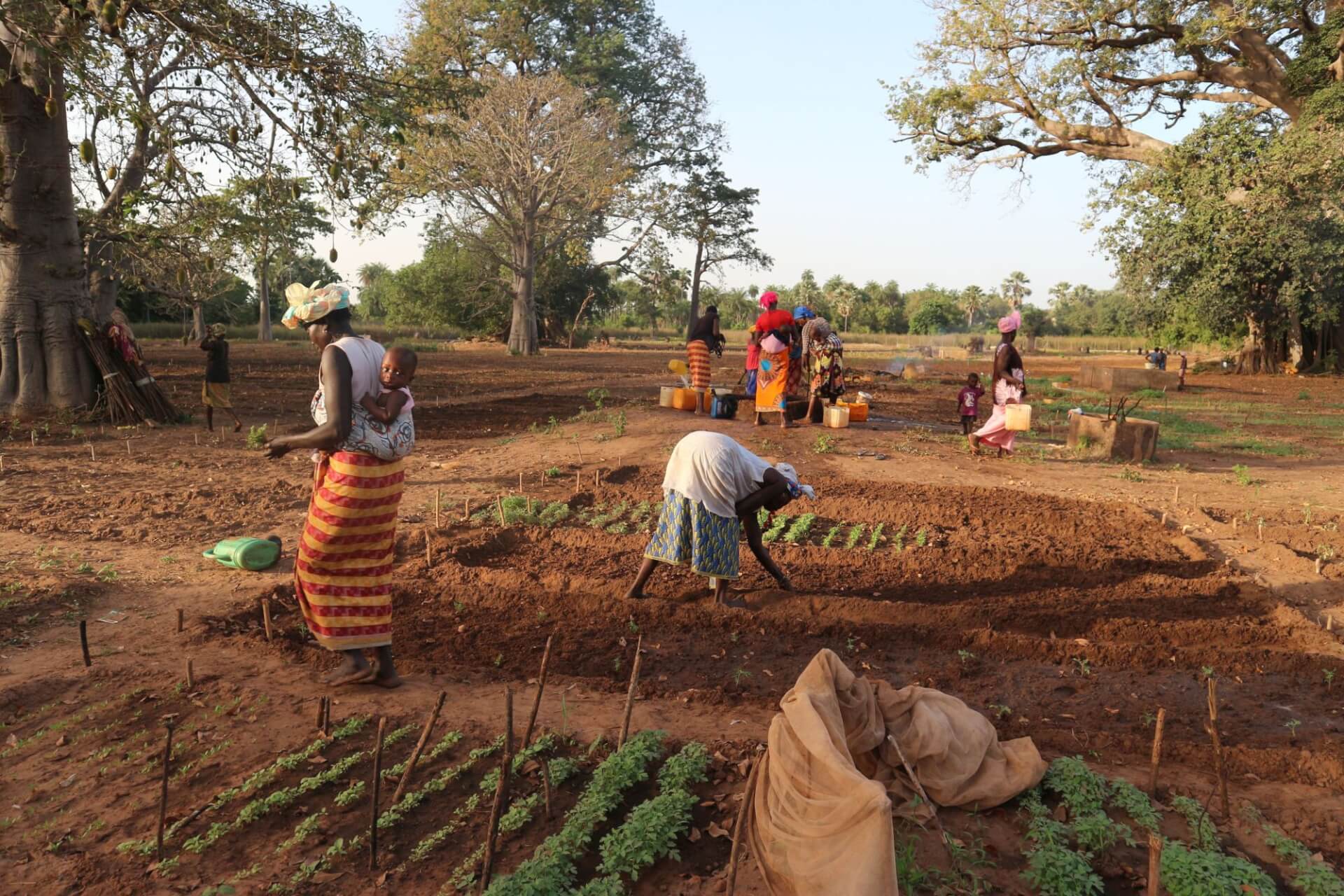
The 12-month project will see WasteAid work in partnership with Kanifing Municipal Council to set up food waste collection from markets and transport the material to women’s gardens. Here, WasteAid’s long-term local partner Women’s Initiative The Gambia, will train the women gardeners to make compost, biochar and charcoal briquettes.
Mayor Bensouda of Kanifing Municipal Council commented: “Creating new pathways for sustainable resource management will accelerate progress towards the UN Sustainable Development Goals. By diverting biodegradable waste from Bakoteh dumpsite and using it to enhance agricultural practices, this project will contribute to a green economy and provide inclusive opportunities, particularly for women.”
Ceris Turner-Bailes, WasteAid CEO, said: “We are delighted to have the opportunity to partner with Kanifing Municipal Council to help recover organic waste and transform it into useful products. This project will contribute to a circular bioeconomy and support livelihoods for women micro-entrepreneurs the greater Banjul area. This exciting project builds on WasteAid’s previous work in The Gambia and will contribute to the country’s green recovery.”
Waste management has become a concern to communities living within the coastal zone. This is compounded by the increasing socio-economic and demographic pressure on the coastal area of the Gambia. As a result, improper waste disposal practices have become a threat to public and environmental health.
Improving waste management is a priority for Kanifing Municipal Council, and in 2019 it rolled out the country’s first household waste collection service. WasteAid undertook the first waste composition analysis in The Gambia in 2015 and since then has delivered projects funded by UK Aid and corporate donors, creating livelihood opportunities in vulnerable communities by recovering the value in waste.
This new project, led by WasteAid with funding from the European Union, will reduce pressure on the main city’s dumpsite by collecting food waste from markets and transferring it to women’s gardens, where community-based organisation and long-time partner of WasteAid, Women’s Initiative The Gambia, will train the gardeners to make compost, biochar and charcoal briquettes.
Angela McDermott, WasteAid Head of Programmes and Impact, added: “This project will raise awareness and understanding among market vendors, residents and women gardeners of the value in biodegradable waste. By making soil amendments and a sustainable cooking fuel, the women gardeners will benefit from improved livelihoods, while protecting climate-vulnerable soils, and reducing pressure on local forests for firewood.”
Composting food waste will return nutrients to the soil and improve water retention, and the production of biochar is an emerging as an impactful approach to carbon sequestration. Charcoal briquettes, made from woody waste including groundnut (peanut) and coconut shells, offer a low-smoke sustainable cooking fuel alternative to timber and charcoal sourced from the fragile Casamance forest.
The project will accelerate progress towards the United Nations Sustainable Development Goals, by creating jobs in the green economy, preserving natural resources, recycling waste and enhancing public health.
Written by Zoë Lenkiewicz
ENDS
 WasteAid is a leading international development organisation on a mission to tackle the global waste crisis. 2 billion people do not have their waste collected and 3 billion lack a decent disposal site, leading to the spread of disease and polluting the air, land, rivers and oceans.
WasteAid works with communities in low-income countries to address the root causes of climate change and marine plastic pollution.
WasteAid shares waste management knowledge and skills with governments and communities in low-income countries; trains people to become self-employed recycling entrepreneurs; and influences decision-makers and the donor community to increase investment in waste management.
Contact:
Rose Bradbury
Senior Fundraising & Communications Officer
WasteAid
News
How one community in The Gambia is changing its relationship with plastic
In Bakoteh, a community in the Greater Banjul Area of The Gambia, plastic waste has long been a serious problem. Home to the largest dumpsite in...
News
Women farmers in Kalaji turn organic waste into opportunity through the S-ORGANIC project
In Kalaji, a group of women farmers is demonstrating how organic waste can become a productive resource — supporting sustainable agriculture, strengthening livelihoods, and...
News
WasteAid and the Turkish Embassy: A New Partnership for Sustainable Change in The Gambia
On 12 May 2026, WasteAid’s Director of Programmes and Project Officer met with Turkish Ambassador F. Turker Oba at the Turkish Embassy in The...
News
WasteAid and Kanifing Municipal Council sign MoU to strengthen long-standing partnership on sustainable waste management
WasteAid and Kanifing Municipal Council have signed a new Memorandum of Understanding (MoU), marking an important milestone in a partnership that has developed over more than a decade. ...
News
Responding to Community Needs: The Commencement of HUBLINK with Halal Waste Group in Uganda
We have a wealth of evidence demonstrating the positive impact of our Wastepreneur programme. A key driver of this success is our proactive approach—identifying and resolving challenges as soon...
News
Strengthening The Gambia’s Circular Economy: Insights from WasteAid’s Stakeholder Engagement
We have huge plans to further strengthen and scale our programmes in the countries we work in, evidenced by our recent expansion of our...
Corin Williams, Editor of MRW, interviewed WasteAid’s Chief Executive, Ceris Turner-Bailes.
CW: You joined WasteAid just a few weeks into the first lockdown. What challenges did you have to overcome and how did the organisation have to change its operations?
 CTB: The most challenging thing about the whole lockdown period has been an inability for me to visit our projects, partners and beneficiaries, and to have regular team sessions with the WasteAid team in the UK. Given that we work remotely and manage projects and partnerships from a distance, in many ways our day to day operations were not affected. However, our ability to add value for our partners through regular visits to offer support and guidance has had to change to more online contact.
It has been particularly tough for the launch of our Circular Economy Network, which really relies on relationship building and networking. The project team have done so well to move activities online.
For the initial part of lockdown, our UK government-funded projects were suspended, although we continued to support partners financially for a period of time from WasteAid’s own funds. This break in project activities did provide us with a great opportunity to review progress and ensure our inputs were achieving the desired objectives.
Lockdown also meant difficult times for some of our corporate supporters, but we have such great partnerships that in the long term these remain unaffected.
CW: How has the pandemic affected the communities with which WasteAid works?
CTB: Much as in the UK, the pandemic has had a terrible effect on economies and both lockdowns and restrictions have meant that our projects are now trying to regain that lost momentum. We’re not hearing about massive infection rates in the communities where we work, and we hope that it stays that way. Large households and poorer sanitation are risks for the communities where WasteAid has a presence. Waste handling can be even more hazardous in these times and WasteAid has developed resources to help communities navigate this. We have also funded measures help resilience to Covid such as handwashing stations in Kenya.
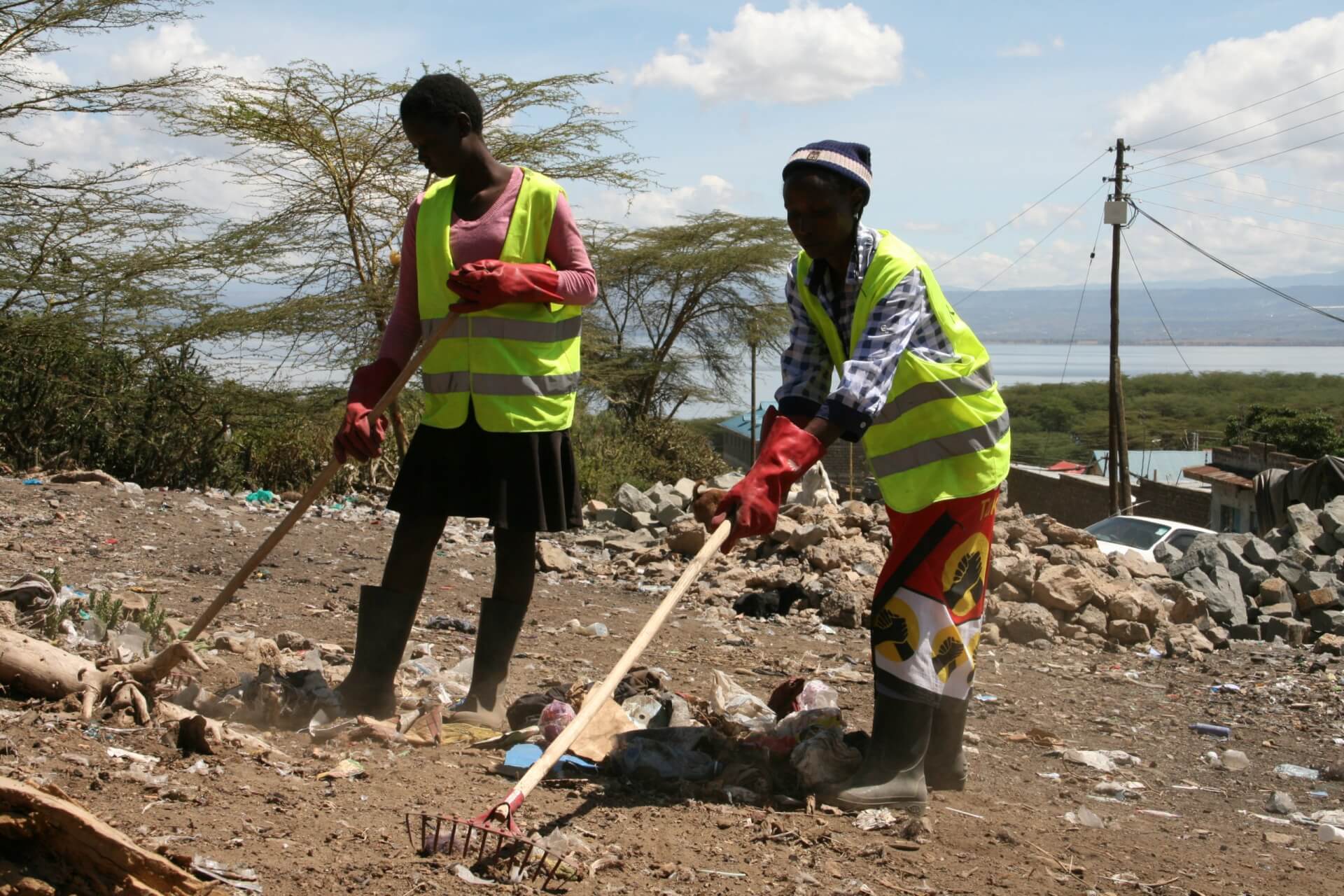
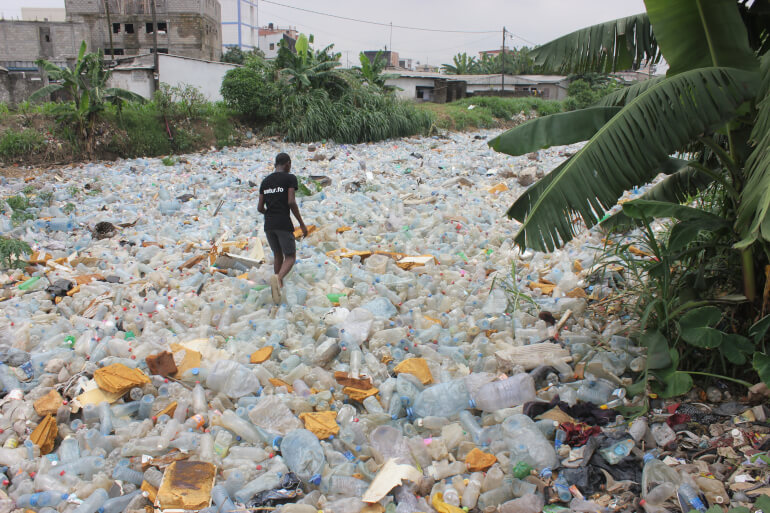
CW: What are the most pressing issues facing your partner organisations on the ground – for instance the plastics recycling training in Douala – in the context of Covid-19?
CTB: Our change model involves project beneficiaries and partners deriving an income from waste. One of the most challenging aspects of the work is to develop a market for recycled goods in order to build sustainable businesses. The enormous economic shock of the pandemic can negatively affect fledgling businesses, as we have seen here in the UK. Our partners must also follow local regulations when carrying out project activities which can make the situation more complicated and cause delays.
Aside from that, in most of the countries we work in, we would like to see local or central government investment and support for waste management to really have an impact. The pandemic will clearly take both attention and funds away from that goal, making ours and our partners’ work just that little bit harder.
CW: You have a wide and varied CV – what awareness of the importance of waste management did you have before joining WasteAid?
CTB: Having worked extensively in Africa and Asia, I was fully aware of the waste crisis in low income countries having seen it up-close in countries such as Dem Rep Congo, Ghana, Mali and Afghanistan. I have also managed health and water and sanitation programmes in the past, and could easily understand why waste management is so important. I was also aware of the plight of waste pickers through previous roles delivering poverty alleviation programmes. I certainly had less of a detailed knowledge of the impact of poor waste management practices on climate change and marine biodiversity.
Since joining WasteAid I have learned a lot about waste management practices in lower-income countries and what can practically be done to improve the situation. Locally appropriate solutions are crucial and in order to promote sustainability, low tech solutions can often have the greatest impact.
CW: Are your experiences in the Royal Air Force and the diplomatic service proving useful in your current role?
CTB: Both of those careers seem quite a long way behind me now (clearly getting old), but obviously the military teaches you some great skills in terms of management, problem solving and getting things done! The Diplomatic Service certainly furnished me with an understanding of how government policy is developed and the importance of linking in with British diplomatic representation in the countries where we work. I would say that my previous 13 years in international programme management for governments, non-profits and the private sector working across Africa and Asia are probably the most relevant to this role though!
CW: What’s your view on international efforts to prevent exported waste being dumped in Africa and Asia?
CTB: It’s a global market, so by its nature recycling also involves some degree of international trade. Where products are genuinely going to be repaired e.g. WEEE or materials recycled e.g. paper and plastics, then of course international trade is welcomed. The real challenge is a lack of regulation and enforcement, both in waste producer countries and receiving countries. However, the amount of waste being shipped around is tiny in comparison to the waste that is already generated in these countries and simply isn’t being collected – so that will remain our priority.
CW: What targets do you have for WasteAid over the next five years?
CTB: I have huge ambitions for WasteAid, and really believe that we are on the cusp! I think we are really making the switch from an organisation that may have been seen as niche to becoming more of a mainstream development actor – and with this we are constantly raising the profile of waste management in the sector.
At the moment, we are increasing our presence in the countries where we work and have over 2020 put together some compelling programmes that will be funded this year (I am just not yet able to announce full details). We are looking to grow our presence in Sub Saharan Africa and are hoping to work in new countries such as Democratic Republic of the Congo and potentially Sierra Leone as we feel that the needs and our proposed responses would really add value. We are developing our Circular Economy Network programme in Vietnam, South Africa and India and are hoping to establish a greater presence in these countries, as there is so much work to be done.
We are also working on further developing our impact measurement and continually improving our model of transformational change.
Our work is all about partnership. As a small and agile organisation, we know we can have a greater impact if we work together with other organisations that complement our work. Therefore, we will be looking to continually develop strategic partnerships to bring about the change we want to see – to reduce waste, enhance waste management systems, support innovation, promote the circular economy and improve livelihoods.
If your business is looking for the right charity partner to make lasting impact, please visit our CSR page.
This Q&A was originally published in MRW.
News
How one community in The Gambia is changing its relationship with plastic
In Bakoteh, a community in the Greater Banjul Area of The Gambia, plastic waste has long been a serious problem. Home to the largest dumpsite in...
News
Women farmers in Kalaji turn organic waste into opportunity through the S-ORGANIC project
In Kalaji, a group of women farmers is demonstrating how organic waste can become a productive resource — supporting sustainable agriculture, strengthening livelihoods, and...
News
WasteAid and the Turkish Embassy: A New Partnership for Sustainable Change in The Gambia
On 12 May 2026, WasteAid’s Director of Programmes and Project Officer met with Turkish Ambassador F. Turker Oba at the Turkish Embassy in The...
News
WasteAid and Kanifing Municipal Council sign MoU to strengthen long-standing partnership on sustainable waste management
WasteAid and Kanifing Municipal Council have signed a new Memorandum of Understanding (MoU), marking an important milestone in a partnership that has developed over more than a decade. ...
News
Responding to Community Needs: The Commencement of HUBLINK with Halal Waste Group in Uganda
We have a wealth of evidence demonstrating the positive impact of our Wastepreneur programme. A key driver of this success is our proactive approach—identifying and resolving challenges as soon...
News
Strengthening The Gambia’s Circular Economy: Insights from WasteAid’s Stakeholder Engagement
We have huge plans to further strengthen and scale our programmes in the countries we work in, evidenced by our recent expansion of our...
PRESS RELEASE
The specialist international distribution and services group, Bunzl plc is partnering with international NGO WasteAid to create jobs in the collection and recycling of plastic waste in Cameroon.
With Bunzl’s support, WasteAid’s partners will recruit and train 30 young entrepreneurs in the coastal city of Douala to recover value from plastic waste and create long-term employment opportunities in the green economy.
James Pitcher, Head of Sustainability at Bunzl plc said: “The lack of waste collection in Douala is a major cause of environmental concern, with plastic waste blocking drains and filling riverbeds close to the Atlantic coast. WasteAid has been working in Douala to engage young unemployed people in the collection and recycling of plastic waste since 2019, and we are delighted to be building on their positive impact through this 12-month partnership.”
Solid waste management has been identified as one of the major environmental concerns of the city of Douala, and about one third of economically active youth are unemployed. WasteAid will work with existing partner RED-PLAST and new trainees to collect and sort plastic waste from market areas and divert it from waterways and the ocean.
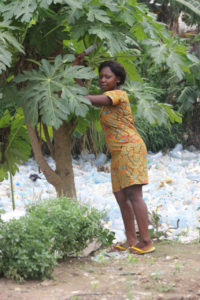
Angela McDermott, WasteAid’s Head of Programmes and Impact said: “The nascent recycling industry in Cameroon can provide dignified jobs and generate much-needed income, while cleaning the environment and preventing pollution. With Bunzl’s support, we are able to develop targeted interventions that provide long-term opportunities for vulnerable young people.”
Plastic waste will be collected from four markets in Douala: Sandaga (Douala I), Congo (Douala II), Maképé and Bépanda (both Douala V). Through partnership working with the local municipality, market managers, stallholders and surrounding businesses, the trainees will collect eight tonnes of plastics including PET, PP, PE and PVC by the end of 2021 and sell the plastics to a network of existing local re-processors, keeping it in the loop.
This initiative will provide a legacy of waste recycling knowledge, skills and employment as well as waste reduction and environmental gains.
The partnership between Bunzl plc and WasteAid builds on their recent joint initiative in Indonesia, helping marginalised communities to increase waste recycling from 10% to 90%.
WasteAid’s Chief Executive, Ceris Turner-Bailes said: “We are grateful to Bunzl plc for supporting another intervention that demonstrates the long-term benefits of sustainable waste management, particularly for communities that suffer from a poor environment and high levels of unemployment. Collecting and preparing plastic waste for recycling creates green jobs and reduces dependence on open dumping and burning, providing important health and economic benefits where they are most needed.”
The 12-month partnership will help deliver a number of the Sustainable Development Goals, including: Decent work and economic growth (SDG 8), Industry, innovation and infrastructure (SDG 9), Sustainable cities and communities (SDG 11), Responsible consumption and production (SDG 12), Climate action (SDG 13), Life below water (SDG 14) and Partnerships for the goals (SDG 17).
If you would like to support WasteAid trainees in combatting plastic pollution before it reaches the sea, please consider a one-off or regular donation.
Written by Zoë Lenkiewicz
ENDS
About WasteAid
About Bunzl plc
Contact:
Rose Bradbury, Senior Fundraising & Communications Officer, WasteAid
News
How one community in The Gambia is changing its relationship with plastic
In Bakoteh, a community in the Greater Banjul Area of The Gambia, plastic waste has long been a serious problem. Home to the largest dumpsite in...
News
Women farmers in Kalaji turn organic waste into opportunity through the S-ORGANIC project
In Kalaji, a group of women farmers is demonstrating how organic waste can become a productive resource — supporting sustainable agriculture, strengthening livelihoods, and...
News
WasteAid and the Turkish Embassy: A New Partnership for Sustainable Change in The Gambia
On 12 May 2026, WasteAid’s Director of Programmes and Project Officer met with Turkish Ambassador F. Turker Oba at the Turkish Embassy in The...
News
WasteAid and Kanifing Municipal Council sign MoU to strengthen long-standing partnership on sustainable waste management
WasteAid and Kanifing Municipal Council have signed a new Memorandum of Understanding (MoU), marking an important milestone in a partnership that has developed over more than a decade. ...
News
Responding to Community Needs: The Commencement of HUBLINK with Halal Waste Group in Uganda
We have a wealth of evidence demonstrating the positive impact of our Wastepreneur programme. A key driver of this success is our proactive approach—identifying and resolving challenges as soon...
News
Strengthening The Gambia’s Circular Economy: Insights from WasteAid’s Stakeholder Engagement
We have huge plans to further strengthen and scale our programmes in the countries we work in, evidenced by our recent expansion of our...
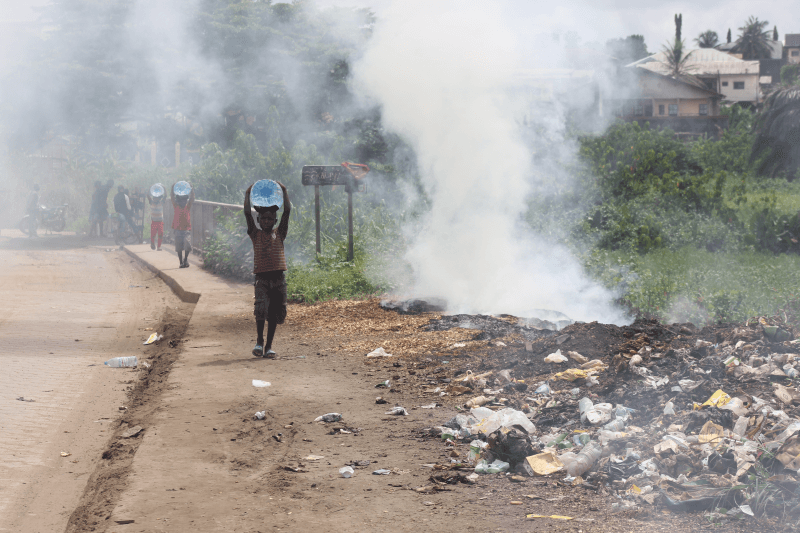
At WasteAid, we work with communities and policy makers in low and middle-income countries to implement waste management and recycling programmes. Our work improves the livelihoods of some of the poorest and most marginalised, promotes circular economy innovation and contributes to a cleaner and healthier future for all.
WasteAid is active in eight countries across Africa and Asia.
Anyone who has travelled or worked overseas in a development context will have had some exposure to the critical issue of waste management – whether this is through the sight of waste-filled open sewers, waste-strewn streets or polluted waterways, perhaps too the acrid smell of burning plastics adding to air pollution.
This is a sensory reminder that 1 out of 3 people worldwide are forced to dump or burn their waste. Apart from the obvious immediate unpleasantness of tonnes upon tonnes of unmanaged waste, perhaps there is little further consideration of ‘the waste crisis’.
Although rarely at the top of the agenda, waste poses a significant risk to public health and the environment, as well as the climate. Those working informally in waste management (0.5% urban populations in LMICs) are usually among the most vulnerable, and WasteAid is all too familiar with the harsh realities these communities face in their day-to-day work.
Despite the negative effects of poorly managed waste, what we discard can also offer opportunities that may not be entirely obvious at first glance. WasteAid will soon be celebrating six years of its pioneering approach to waste and development. Our programmes focus on waste management, recycling, microbusiness support and enterprise development, as well as circular economy innovation.
Through our growing Circular Economy Network in India, South Africa and Vietnam, we are supporting grassroots initiatives and the most marginalised whilst also rewarding innovation through business incubation opportunities and seed funding. We work at community level, we engage municipalities and interact with policy makers to improve systems and share knowledge. We take a market systems approach to our work. Our funding support and our response to the waste crisis can be rooted in both civil society responses and corporate sector collaboration.
The consequences of poor waste management are severe, particularly for lower and middle income countries, affecting both people and planet.
Health consequences include increased respiratory illnesses due to burning waste, higher levels of insect borne illnesses due to open dumping, and greater prevalence of watery diarrhoea and other illnesses due to blocked and polluted waterways. In the era of COVID 19, effective disposal of face masks and of potentially contaminated materials adds an extra layer of complexity for countries already struggling to dispose of their waste safely. It is the poorest that often bear the heaviest disease burden and for those living in extreme poverty, this can lead to increased mortality. The environmental consequences of poor waste management are no less serious: burning waste contributes to the climate crisis through greenhouse gases, contaminated soil and waterways put ecosystems at risk and the dirt and odour from unmanaged waste degrades the general environment.
Waste and the work of WasteAid cuts across most of the Sustainable Development Goals and our work impacts directly at least eight of them. It is for this reason that waste management and recycling opportunities should be recognised as a crucial vehicle for sustainable development. In certain contexts, WasteAid recognises that technical innovation is critical to development, but the majority of our work in LICs, particularly in Africa, is centred around low tech, locally appropriate solutions to ensure sustainability.
The link between waste, clean water and improved sanitation and health is likely clear to all, even if the direct contribution of waste management alone is often difficult to quantify.
Waste collection and recycling opportunities can provide sustainable livelihood opportunities (particularly in green recovery activities). Livelihoods opportunities in waste can span the use of recycled materials to make crafts to the production of artisan-made household objects, right through to the cleaning, sorting and selling of waste materials, particularly plastic, on an industrial scale.
Many of these types of responses can lend themselves well to poverty alleviation activities that are pro-poor and inclusive of the most vulnerable groups. At WasteAid, we recognise opportunities for an ever-stronger gender focus in our programmes. Women are well represented in the informal waste management and recycling sector, since it can offer decent, flexible work; and women are also the most affected by a lack of waste management services as they are responsible for domestic waste disposal, often burning household waste in the yard while taking care of children. WasteAid is currently further developing its gender policy and reflecting on how we can strengthen this element of our work.
Waste occupies a central point in development where people and planet meet. By recognising the economic value of waste and developing responses that generate income, we are at the same time reusing items of no or low value and cleaning the environment. Never has this approach been more recognised than in the post-Blue Planet world. Preventing waste, particularly plastics, from reaching waterways and the world’s oceans allows eco-systems to thrive, and the marine life on which so many livelihoods are based to flourish.
Waste management and all its constituent parts is as much needed for land and sea as for the air we breathe! Urbanisation has a compounding impact on waste, as more people require more packaged products. In Asia the waste crisis is growing, out of control even, although it is heartening to see engagement in circular economy initiatives. In Africa there is still some way to go before the waste crisis reaches such levels. There is still time to act to prevent high economic, human and environmental costs. We ask that waste is always considered in whatever programming you implement – be it prevention, reuse or recycling.
Globally, if we want to reach a point where waste ceases to pollute the very environment we need to live, we must work together in a cross-sectoral, collaborative way to achieve results. If policy makers receive compelling evidence of the cost saving that can be achieved by pro-poor waste management delivered from several diverse perspectives, if entrepreneurs recognise the potential business to be made through waste, if communities are enabled to avoid dumping or burning waste, and if funders recognise the central role waste management plays in development, then we will be well on the road to success. As 2021 is the year of COP26, WasteAid will be disseminating this message as widely as possible and we are optimistic of an increasingly receptive audience.
News
How one community in The Gambia is changing its relationship with plastic
In Bakoteh, a community in the Greater Banjul Area of The Gambia, plastic waste has long been a serious problem. Home to the largest dumpsite in...
News
Women farmers in Kalaji turn organic waste into opportunity through the S-ORGANIC project
In Kalaji, a group of women farmers is demonstrating how organic waste can become a productive resource — supporting sustainable agriculture, strengthening livelihoods, and...
News
WasteAid and the Turkish Embassy: A New Partnership for Sustainable Change in The Gambia
On 12 May 2026, WasteAid’s Director of Programmes and Project Officer met with Turkish Ambassador F. Turker Oba at the Turkish Embassy in The...
News
WasteAid and Kanifing Municipal Council sign MoU to strengthen long-standing partnership on sustainable waste management
WasteAid and Kanifing Municipal Council have signed a new Memorandum of Understanding (MoU), marking an important milestone in a partnership that has developed over more than a decade. ...
News
Responding to Community Needs: The Commencement of HUBLINK with Halal Waste Group in Uganda
We have a wealth of evidence demonstrating the positive impact of our Wastepreneur programme. A key driver of this success is our proactive approach—identifying and resolving challenges as soon...
News
Strengthening The Gambia’s Circular Economy: Insights from WasteAid’s Stakeholder Engagement
We have huge plans to further strengthen and scale our programmes in the countries we work in, evidenced by our recent expansion of our...