News
How one community in The Gambia is changing its relationship with plastic
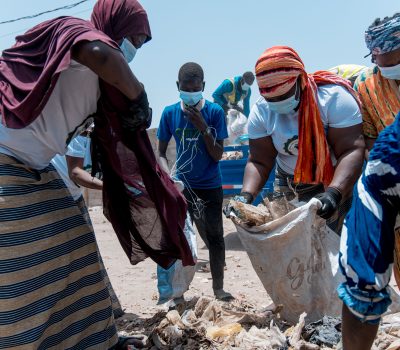
In Bakoteh, a community in the Greater Banjul Area of The Gambia, plastic waste has long been a serious problem. Home to the largest dumpsite in...

On 18th March 2025, the Fairway Hotel Kampala buzzed with energy as 28 determined Wastepreneurs took centre stage at the Uganda Wastepreneur Challenge Pitch Day. This inspiring event marked the culmination of a 15-week intensive training and mentoring programme, delivered by WasteAid in partnership with Bunzl Plc. The Wastepreneur Programme is designed to empower local female and youth waste entrepreneurs, turning waste recovery into thriving micro-businesses that boost local incomes and enhance community well-being.
Participants were divided into three groups: Recyclers, Collectors, and Waste Pickers – each category showcasing innovative ideas to address local waste management challenges. From transforming PET waste into eco-friendly sewing threads to converting organic waste into biogas for cleaner cooking fuel, the Wastepreneur Programme has provided these individuals with the tools and confidence to turn everyday challenges into sustainable business opportunities.
Hellen Munyasa, a recycler and founder of Helton Traders, demonstrated her ingenuity by repurposing plastic waste into eco sewing threads. Drawing on a decade of experience in the textile industry, Hellen identified a market gap: Uganda imports 200 tons of sewing threads annually despite having a thriving network of over 1,000 textile traders. Her locally produced alternative not only reduces dependence on imports but also creates green jobs in her community.

Eco sewing thread, developed by Hellen Munyasa
Similarly, Amanda Natukunda, another standout recycler, has ventured into the production of biogas from organic waste. Motivated by personal experiences with the health hazards of traditional cooking fuels, Amanda’s eco-friendly model offers a cleaner and more sustainable energy source for families. Her vision to scale production through new machinery highlights the tangible impact of the programme’s training and mentoring support.

Amanda Natukunda demonstrates her eco-friendly biogas.
The impact of the Wastepreneur Programme extends far beyond business metrics. Nalongo Birungi Eva Nantongo, a collector and single mother of eight, has transformed her life through waste management. Once facing significant hardship upon returning to Uganda, she now not only supports her family but is also investing in her children’s education, proving that waste recovery can be a pathway out of poverty.
Collectors like Ali Kisano and Ibrahim Senono have also embraced the opportunity to formalise and scale their operations. Whether it’s through enhancing safety measures for waste collection from polluted water sources or improving storage and transport infrastructure, these entrepreneurs are creating models that demonstrate both economic resilience and community impact.

Ibrahim Senono with his mentor Moses Angeny.
Waste Pickers, too, are experiencing a renaissance. For instance, Sekulya Swaif has taken his humble beginnings in waste collection and expanded his business into producing alternative proteins from organic waste through Black Soldier Fly farming. His innovative approach is paving the way for more sustainable local food production. Agnes Sekibowa, a 50-year-old mother of five, is steadily growing her business despite the physical challenges that come with waste picking as an aging woman.
The Pitch Day was the culmination of months of training and mentoring, giving participants the chance to show just how far they have come in their journey. Joel Mwesigye, Project Coordinator at Kampala City Council Authority (KCCA), observed, “This is the first time we’ve seen waste pickers in Uganda articulate viable business ideas in such a professional and impactful way. These are no longer informal workers—they are indeed wastepreneurs!” Claire Kagga, Sustainability Expert, noted the high calibre of the pitches, while Betty Kaddu, MD of Best of Waste Ltd, expressed her optimism: “Seeing this level of preparation and passion gives me hope. WasteAid and Bunzl have created a platform that has harnessed a transformation.”
As the Wastepreneur Programme progresses into its next phase—with plans for distributing seed funding through equipment, infrastructure and continued support—the impact on local communities becomes ever clearer. The journey from waste pickers to Wastepreneurs is not only transforming individual lives but is also forging a path towards a robust circular economy in Uganda.
WasteAid and its partners remain committed to nurturing these micro-businesses and scaling their success, ensuring that each step forward is a stride towards sustainable development and community resilience.

News
How one community in The Gambia is changing its relationship with plastic
In Bakoteh, a community in the Greater Banjul Area of The Gambia, plastic waste has long been a serious problem. Home to the largest dumpsite in...
News
Women farmers in Kalaji turn organic waste into opportunity through the S-ORGANIC project
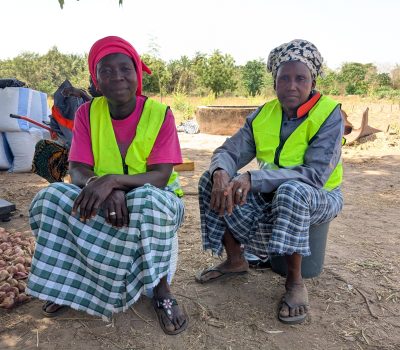
In Kalaji, a group of women farmers is demonstrating how organic waste can become a productive resource — supporting sustainable agriculture, strengthening livelihoods, and...
News
WasteAid and the Turkish Embassy: A New Partnership for Sustainable Change in The Gambia
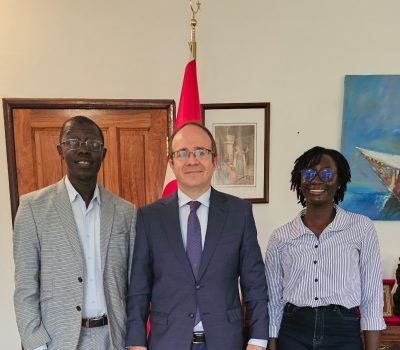
On 12 May 2026, WasteAid’s Director of Programmes and Project Officer met with Turkish Ambassador F. Turker Oba at the Turkish Embassy in The...
News
WasteAid and Kanifing Municipal Council sign MoU to strengthen long-standing partnership on sustainable waste management
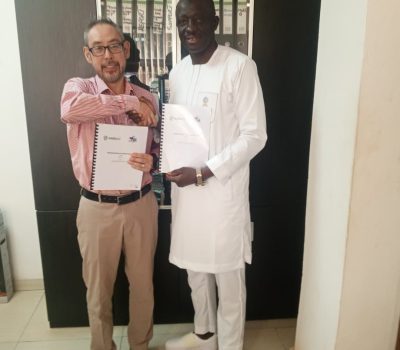
WasteAid and Kanifing Municipal Council have signed a new Memorandum of Understanding (MoU), marking an important milestone in a partnership that has developed over more than a decade. ...
News
Responding to Community Needs: The Commencement of HUBLINK with Halal Waste Group in Uganda
We have a wealth of evidence demonstrating the positive impact of our Wastepreneur programme. A key driver of this success is our proactive approach—identifying and resolving challenges as soon...
News
Strengthening The Gambia’s Circular Economy: Insights from WasteAid’s Stakeholder Engagement
We have huge plans to further strengthen and scale our programmes in the countries we work in, evidenced by our recent expansion of our...
On Tuesday 21st January WasteAid, in collaboration with the Management Training and Advisory Centre (MTAC) and the Uganda Tailors Association (UTA), held a stakeholder consultation in Kampala. The event aimed to discuss and validate findings from research conducted into the second-hand clothing trade, centred around Owino Market, in Kampala, Uganda as part of the Uganda Circular Textiles Project.
The Uganda Circular Textiles Project, funded by UK International Development through the Sustainable Manufacturing and Environmental Pollution (SMEP) Programme, focuses on the identification, management, and innovative diversion and reuse options for second-hand clothing and other textile waste in Owino Market, Kampala. This initiative aims to reduce environmental impact, support local industries, and promote a more sustainable economy in Uganda.
During the consultation, attendees received a full briefing on the project’s objectives and key findings from the Owino Market study. The research highlighted the significant role of Owino Market in Uganda’s second-hand clothing trade, contributing to both economic growth and environmental challenges due to textile waste.
Key findings from the study include:
Also on display was a range of products crafted from upcycled textile waste. These innovative items, created by UTA members, showcased the potential for waste textiles to be transformed into valuable products, contributing to both environmental sustainability and economic opportunities.


The consultation attracted a diverse group of stakeholders reflecting the broad interest and support for advancing circular economy initiatives in Uganda. This included representatives from civil society organisations, the private sector, government bodies, and academia. Participants engaged in discussions, sharing their insights and experiences related to second-hand clothing management. Representatives from the UN Trade and Development (UNCTAD), and the Project Management Agent of the SMEP Programme were also in attendance.
Following the validation of the research findings, WasteAid is pleased to announce the publication of the full report, “A Study of Textile Waste at Owino Market, Kampala.” This comprehensive document offers in-depth analysis and actionable recommendations to foster sustainable practices within Uganda’s textile sector.
The Uganda Circular Textiles Project is jointly implemented by WasteAid, MTAC and UTA. The consortium has been awarded a grant by the UK Government through UK International Development to address critical challenges within the second-hand clothing supply chain in Uganda. The grant has been provided through the Sustainable Manufacturing and Environmental Pollution (SMEP) Programme. The SMEP Programme is funded by the UK Government and is implemented in partnership with UNCTAD. The grant has been awarded until 31st March 2026.
News
How one community in The Gambia is changing its relationship with plastic
In Bakoteh, a community in the Greater Banjul Area of The Gambia, plastic waste has long been a serious problem. Home to the largest dumpsite in...
News
Women farmers in Kalaji turn organic waste into opportunity through the S-ORGANIC project
In Kalaji, a group of women farmers is demonstrating how organic waste can become a productive resource — supporting sustainable agriculture, strengthening livelihoods, and...
News
WasteAid and the Turkish Embassy: A New Partnership for Sustainable Change in The Gambia
On 12 May 2026, WasteAid’s Director of Programmes and Project Officer met with Turkish Ambassador F. Turker Oba at the Turkish Embassy in The...
News
WasteAid and Kanifing Municipal Council sign MoU to strengthen long-standing partnership on sustainable waste management
WasteAid and Kanifing Municipal Council have signed a new Memorandum of Understanding (MoU), marking an important milestone in a partnership that has developed over more than a decade. ...
News
Responding to Community Needs: The Commencement of HUBLINK with Halal Waste Group in Uganda
We have a wealth of evidence demonstrating the positive impact of our Wastepreneur programme. A key driver of this success is our proactive approach—identifying and resolving challenges as soon...
News
Strengthening The Gambia’s Circular Economy: Insights from WasteAid’s Stakeholder Engagement
We have huge plans to further strengthen and scale our programmes in the countries we work in, evidenced by our recent expansion of our...
The Waste to Use Challenge, part of the Circular Economy Network project, has concluded with remarkable success, celebrating the pioneering efforts of green businesses in The Gambia. This challenge, designed to foster innovative circular waste solutions and create sustainable livelihoods, has awarded funding to three outstanding finalists.
The Circular Economy Network, known locally as Dennakuwo, and funded by the UK’s Chartered Institution of Wastes Management (CIWM), aims to fast-track circular economy initiatives by supporting innovative green businesses with training and investment. Through the creation of a network of innovators, businesses, designers, environmental champions, corporates, and institutions, the network drives resource efficiency, and waste reduction measures by helping sustainable businesses to scale, helping to tackle the environmental impact of waste and create economic opportunities that support The Gambia’s green recovery.
Although there are innovation challenges around the world, the Waste to Use challenge is unique, none intervene at this level and in the countries WasteAid is present. With little access to traditional investment routes, this innovation challenge offers grassroots entrepreneurs and innovators the opportunity to access business training and mentoring that would otherwise be out of reach for them.
“The ‘Waste to Use Challenge is an important and exciting element of WasteAid’s CIWM-funded Project Dennakuwo. In many ways it is an embodiment of why we’ve been so passionate about supporting this project since 2022. The challenge helps Gambian entrepreneurs develop Gambian solutions to Gambian problems, pioneering ways to recover, reuse and divert waste from dump sites. It is a fantastic example of how nurturing innovation can lead to sustainable businesses that protect the world’s environment and resources for future generations – a truly circular economy. Congratulations to all the winners and finalists. All of us at CIWM are incredibly proud of our partnership with WasteAid, and the work of the ever-growing Gambian Circular Economy Network to whom a big-thank you is due for their engagement with, and contributions to, the challenge.”
Sarah Poulter, CEO of CIWM

The Waste to Use Challenge finale took place at the Sunset Beach Hotel, where six innovative entrepreneurs presented their impactful solutions to tackle waste management challenges in The Gambia.
The event celebrated the participants’ entrepreneurial spirit and their dedication to mitigating climate change challenges while reducing waste. Judges, mentors, and stakeholders applauded the creative ideas and scalable solutions that promote resource recovery and sustainable practices.
Three winners emerged from the finale, each will be awarded £4,000 in seed funding to scale their initiatives.
“As young entrepreneurs running a startup business, participating in the challenge has really boost our confidence and passion for waste recycling. The prize funds will now enable us implement our plans to manage and process organic waste into organic fertiliser for the wellbeing of our communities.”
Alfusainey Sey, Co-founder of NAACO

With over five years of experience, NAACO, co-founded by Alfusainey Sey and Fabakary Jammeh, transforms organic waste into high-quality compost for marginalised women farmers, providing them with affordable, eco-friendly alternatives to chemical fertilisers. They also train women in sustainable farming practices, creating jobs and improving agricultural productivity.

Sidrah Salam, a consultancy firm, established four years ago, specialises in producing locally made machinery to enhance agricultural productivity. Founded by Musa Sillah, their innovation includes converting groundnut shell residue into nitrogen-rich powder, a key ingredient in compost production. The funding will help expand their operations and support local farmers in improving crop yields.

Yaw’s Creations, led by Awa Conateh, was recognised for their commitment to sustainable fashion. With nearly 20 years of experience in the fashion industry, the business has pivoted to repurposing fabric waste and second-hand clothing into patchwork designs, rugs, and other products. The funding will enable them to scale up their sustainable production methods and promote textile recycling.
The remaining three semi-finalists, who all presented impressive pitches, will be given the opportunity to bid for small grants that will develop specific areas of their businesses.
Precious Plastics: Established in 2023, this social enterprise recycles plastic bottle caps and HDPE materials into home and office décor such as benches and keychains.
Señorita: Led by a young female entrepreneur, Señorita transforms used tires into fashionable home and office décor, combining environmental conservation with artistic innovation.
CASA Gambia: An NGO that proposed a six-month project to collect plastic waste from schools and neighbourhoods while raising environmental awareness among schoolchildren.
The Waste to Use Challenge highlights the power of innovation in addressing critical waste issues. By nurturing these businesses and supporting the circular economy, WasteAid and CIWM are paving the way for a cleaner, greener future in The Gambia and beyond.
It is through the funding, encouragement and support of CIWM, and its members, that we were able to provide all finalists with mentoring and business training, through WasteAid’s Circular Economy Network, equipping them with the tools to create sustainable, impactful solutions.
We extend our heartfelt congratulations to all the winners and finalists and express our gratitude to the Circular Economy Network members, mentors, and supporters who made this initiative a success.
News
How one community in The Gambia is changing its relationship with plastic
In Bakoteh, a community in the Greater Banjul Area of The Gambia, plastic waste has long been a serious problem. Home to the largest dumpsite in...
News
Women farmers in Kalaji turn organic waste into opportunity through the S-ORGANIC project
In Kalaji, a group of women farmers is demonstrating how organic waste can become a productive resource — supporting sustainable agriculture, strengthening livelihoods, and...
News
WasteAid and the Turkish Embassy: A New Partnership for Sustainable Change in The Gambia
On 12 May 2026, WasteAid’s Director of Programmes and Project Officer met with Turkish Ambassador F. Turker Oba at the Turkish Embassy in The...
News
WasteAid and Kanifing Municipal Council sign MoU to strengthen long-standing partnership on sustainable waste management
WasteAid and Kanifing Municipal Council have signed a new Memorandum of Understanding (MoU), marking an important milestone in a partnership that has developed over more than a decade. ...
News
Responding to Community Needs: The Commencement of HUBLINK with Halal Waste Group in Uganda
We have a wealth of evidence demonstrating the positive impact of our Wastepreneur programme. A key driver of this success is our proactive approach—identifying and resolving challenges as soon...
News
Strengthening The Gambia’s Circular Economy: Insights from WasteAid’s Stakeholder Engagement
We have huge plans to further strengthen and scale our programmes in the countries we work in, evidenced by our recent expansion of our...
Aimed at businesses committed to implementing circular waste and recycling initiatives, WasteAid’s Waste to Use Challenge, part of a project funded by the Chartered Institution of Wastes Management (CIWM), plays a significant role in developing innovative green businesses and creating sustainable livelihood opportunities.
In October 2024 the second Waste to Use Challenge selected 6 finalists from a pool of high quality applicants. The finalists are all developing sustainable business models that see the value in waste and promote the circular economy.
NAACO Enterprise, founded in 2019 by Alfusainey Sey and Fabakary Jammeh, transform organic waste into high-quality compost to address waste management and agricultural challenges in The Gambia.

Alfusainey Sey and Fabakary Jammeh of NAACO
With expertise in sustainable farming and business management, NAACO will work with marketplaces and fishing communities to divert organic waste from landfills, creating an organic fertiliser as an affordable alternative to chemical fertilisers. To meet growing demand, NAACO plans to scale up operations by establishing a large-scale composting facility, forming partnerships for steady waste collection, and enhancing production methods.
NAACO also focuses on empowering women farmers through training in soil management, creating jobs, and promoting sustainable agriculture to alleviate poverty and environmental harm.
Precious Plastic Gambia is a social enterprise dedicated to combating plastic pollution while empowering local communities in The Gambia. By transforming waste into valuable products like furniture, household items, and construction materials, the business promotes environmental conservation and economic growth.

Boubacar Camara, Precious Plastics
Led by Boubacar Camara and a skilled team, it provides job opportunities, skills training, and educational programs to uplift marginalised groups, especially youth and women. Though having only launched production in May 2024 it’s success has meant Precious Plastic Gambia is scaling planning on operations, expanding product lines, and building a circular economy.
If successful, the Waste To Use seed funding would go towards growing its workforce, increasing production, and establishing additional recycling hubs, further driving positive environmental and social change across the region.
Señorita is an innovative upcycling business in The Gambia, transforming discarded car tires and fabric scraps into eco-friendly products such as furniture, accessories, reusable bags, and home décor. Led by founder Maimuna Ndure, a climate change activist, the business promotes sustainability, affordability, and community empowerment.

Maimuna Ndure, Señorita
By offering affordable, durable products to diverse customers, including small businesses, vendors, and eco-conscious individuals, Señorita reduces environmental pollution while creating jobs and supporting gender equality. With Waste To Use Funding, they have plans to scale production, expand marketing, and improve logistics.
Their primary market is hotels and tourists, which is The Gambia’s largest industry, and they are fast becoming a leader in the upcycling and eco-friendly sector, driving positive environmental and social impact.
CASA Gambia is a community-driven organization dedicated to addressing plastic pollution and promoting sustainable waste management practices in The Gambia. Through initiatives such as school-based waste segregation programs, composting, and community awareness campaigns, CASA Gambia aims to instil environmentally responsible behaviours and create employment opportunities for youth.

CASA Gambia
Led by a team with expertise in education, climate change, and community development, the project leverages partnerships with local councils and recycling firms to implement practical and scalable waste solutions. By integrating environmental education with hands-on waste collection and recycling activities, CASA Gambia empowers young people, promotes gender equity, and contributes to a cleaner and healthier environment for future generations.
Yaws Creations, since 2007, has been driving and influencing art and design through Fashion. Yaws Creations is a well-known business throughout The Gambia with both local and international customers, selling unique designs and creations.

Awa Conateh, Yaws Creations
Awa Conateh is the creative director, she has 17 years’ experience as a fashion designer, events planner and business owner. Whilst already having a successful business, Awa is keen to expand and in doing so she wants to support the waste management issues in The Gambia and globally, by utilising textiles waste to create new fashion items.
If successful, she will use the Waste to Use seed funding to employ and train local residents in patchworking, purchase machinery to produces the design and instigate a transport system for obtaining textile waste from local tailors. She also aims to use her social media presence to advertise and promote textiles recycling and upcycling.
Musa SIllah is the CEO and founder of Sidrah Salam, a Food and Agriculture company specialising in contract farming and processing, which was established in 2021. His business requires high quality organic fertiliser to grow crops.

Musa SIllah, Sidrah Salam
With a background in engineering, he was able to design and build a machine to grind groundnut husks, an abundant source of food waste in The Gambia. Traditionally groundnut husk was ground by hand, which is time and labour intensive. When machine ground, the husk becomes an affordable and effective addition to composting which has been proven to increase decomposition time and improve the quality of fertiliser.
With Waste to Use seed funding, Sidrah Salam will expand their groundnut husk production to sell to local farmers to improve composting and quality of the crop yield and reduce dependence on costly imported chemical fertilisers.
All the green businesses and entrepreneurs have been supported with a programme of mentoring and business training, provided through the Circular Economy Network, leading up to the opportunity to pitch for a share of £12,000GBP seed funding for scaling their business.
The Waste to Use Challenge nurtures innovative businesses that support the circular economy, and are pioneering ways to recover, reuse and divert as much waste as possible from landfill to develop their businesses, as well as creating much needed livelihoods for people in poverty.
Congratulations to all the finalists, and our thanks to all members of the Circular Economy Network for their engagement and contributions to this project.
News
How one community in The Gambia is changing its relationship with plastic
In Bakoteh, a community in the Greater Banjul Area of The Gambia, plastic waste has long been a serious problem. Home to the largest dumpsite in...
News
Women farmers in Kalaji turn organic waste into opportunity through the S-ORGANIC project
In Kalaji, a group of women farmers is demonstrating how organic waste can become a productive resource — supporting sustainable agriculture, strengthening livelihoods, and...
News
WasteAid and the Turkish Embassy: A New Partnership for Sustainable Change in The Gambia
On 12 May 2026, WasteAid’s Director of Programmes and Project Officer met with Turkish Ambassador F. Turker Oba at the Turkish Embassy in The...
News
WasteAid and Kanifing Municipal Council sign MoU to strengthen long-standing partnership on sustainable waste management
WasteAid and Kanifing Municipal Council have signed a new Memorandum of Understanding (MoU), marking an important milestone in a partnership that has developed over more than a decade. ...
News
Responding to Community Needs: The Commencement of HUBLINK with Halal Waste Group in Uganda
We have a wealth of evidence demonstrating the positive impact of our Wastepreneur programme. A key driver of this success is our proactive approach—identifying and resolving challenges as soon...
News
Strengthening The Gambia’s Circular Economy: Insights from WasteAid’s Stakeholder Engagement
We have huge plans to further strengthen and scale our programmes in the countries we work in, evidenced by our recent expansion of our...
Imagine a place where waste isn’t just rubbish, but a lifeline. In South Sudan’s bustling camps of Bentiu and Malakal, over 218,000 people displaced by conflict and floods face daily challenges, and waste management is critical. But what if that waste could be turned into opportunity?

Earlier this year, WasteAid joined forces with the International Organisation for Migration (IOM) to make that vision a reality. Together, we completed an assessment that looks at how we can transform waste from a problem into a valuable resource that can improve health, support livelihoods and build a brighter, cleaner future.
The waste landscape in Bentiu and Malakal
Every month, more than 1,800 cubic metres of waste is collected across IOM-supported camps in Bentiu and Malakal. This waste includes kitchen scraps, garden clippings, plastics, textiles and metals. Managed by IOM through regular collection and transportation to the dumpsite, the waste is currently piling up. Located just north of the camps, this dumpsite is prone to open burning, which releases harmful gases and poses serious health risks for nearby communities. Occasional levelling of waste by UN machinery can only go so far – what’s needed is a way to actively reduce and reuse waste before it becomes a burden. It is for this reason IOM reached out to WasteAid.to assess what could be done.

Analysing waste to uncover potential
WasteAid joined forces with IOM to conduct a detailed waste analysis and composition study. What we found was both promising and challenging: a large proportion of the waste generated is biodegradable, such as food and garden waste, while the rest includes plastics, textiles and metals. Although some local youth pick through waste to salvage what they can, there’s no organised recycling happening yet. With waste volumes expected to reach over 42,000 tonnes in Bentiu alone by 2024, this is an opportunity waiting to be tapped.
Exploring recycling potential
Turning waste into something valuable requires more than just a desire to recycle – it needs infrastructure, market access and demand for recycled products. In Bentiu and Malakal, the isolation, limited electricity and transport challenges make it tough to reach broader markets. But there are options to be explored. Biodegradable waste, plastics, textiles and metals could all play a role in small-scale recycling efforts that bring big benefits to these displaced communities. Going into 2025, we will be looking further at how this can be progressed.
Designing local solutions: Our pilot projects
Based on our experiences in The Gambia, South Africa and Uganda, we know we can support livelihoods and create sustainable local businesses in other contexts, but this is the first time we have assessed whether this can be done in such an environment. Together with IOM, we’ll continue exploring with local collector groups to divert biodegradable waste to IOM’s Sludge2Briquettes project, turning waste into fuel, and we’ll be exploring ways to feed plastic waste into the Plastic4Bricks project, potentially transforming plastic into building materials for local use.
Our approach includes everything from setting up infrastructure and identifying collectors to training people in both technical and business skills, waste segregation and monitoring. By creating sustainable livelihoods and grass roots businesses amongst displaced communities, we’re tackling the waste crisis, promoting climate resilience and creating economic opportunity in locations where this is often scarce.
Looking forward
Our collaboration with IOM in South Sudan is paving the way for sustainable, circular economy solutions in Bentiu and Malakal and perhaps building a replicable model that can be implemented in other displaced camps. By transforming waste from a burden into an opportunity, we’re working to improve local health, create green jobs and show that sustainable waste solutions are possible even in the most challenging settings. This is more than waste management – it’s about helping displaced communities who are facing incredible hardship create brighter, greener futures.
News
How one community in The Gambia is changing its relationship with plastic
In Bakoteh, a community in the Greater Banjul Area of The Gambia, plastic waste has long been a serious problem. Home to the largest dumpsite in...
News
Women farmers in Kalaji turn organic waste into opportunity through the S-ORGANIC project
In Kalaji, a group of women farmers is demonstrating how organic waste can become a productive resource — supporting sustainable agriculture, strengthening livelihoods, and...
News
WasteAid and the Turkish Embassy: A New Partnership for Sustainable Change in The Gambia
On 12 May 2026, WasteAid’s Director of Programmes and Project Officer met with Turkish Ambassador F. Turker Oba at the Turkish Embassy in The...
News
WasteAid and Kanifing Municipal Council sign MoU to strengthen long-standing partnership on sustainable waste management
WasteAid and Kanifing Municipal Council have signed a new Memorandum of Understanding (MoU), marking an important milestone in a partnership that has developed over more than a decade. ...
News
Responding to Community Needs: The Commencement of HUBLINK with Halal Waste Group in Uganda
We have a wealth of evidence demonstrating the positive impact of our Wastepreneur programme. A key driver of this success is our proactive approach—identifying and resolving challenges as soon...
News
Strengthening The Gambia’s Circular Economy: Insights from WasteAid’s Stakeholder Engagement
We have huge plans to further strengthen and scale our programmes in the countries we work in, evidenced by our recent expansion of our...
In December 2023, with support from the John Lewis Partnership Foundation’s Employability Fund, WasteAid started a project designed to create sustainable livelihoods for youth in rural South Africa working in the informal waste recycling sector.
For rural South African communities high youth unemployment and unmanaged waste are significant challenges. Mpumalanga, a rural eastern South African province embracing the southern half of Kruger National Park, encounters the same problems with waste and unemployment as many communities. With 45% of young people out of work, many turn to informal waste collecting from unsafe dump sites, a job that is poorly paid and socially stigmatised.
Increasing skills to boost income
Working with the John Lewis Partnership Foundation’s Employability Fund, we’ve expanded our ‘First Step Recovery’ programme to two new communities in Mpumalanga providing training, mentorship, resources, and an enabling environment to transform waste into a valuable resource for income generation.
The programme has enhanced the skills of 100 reclaimers and artisans through training and mentorship. We have provided resources that enable reclaimers to professionalise their business and boost their incomes. Finally, we have created an enabling environment by working with local councils to encourage education around waste and recycling.
Groups trained through the programme have seen significant increases in their income and collections, with over 7 tons of recyclable material diverted from illegal dumping or burning.

Creating sustainable growth
By focusing on training in waste management and business management, we are empowering people to boost their own income. Zanele, leader of a newly registered business reflects, “I’ve increased my income from R2000 to almost R10,000 per month. Now we’re officially registered we can apply for funding from the municipality. My wish is to open a buyback centre to grow my business and create more jobs.”
Zanele’s business group have achieved a 460% increase to their income and have secured business agreements with a local guest house and taverns. Another group saw a 395% income boost and formally registered as a cooperative.
A total of 80 waste collectors have completed the Wastepreneur training, covering waste management, business and financial literacy, cooperative and self-development themes. Trainees were often tackling these subjects for the first time, as Thokozile shared, “I learned how to manage my money. Before, I spent without planning. Now, I am starting to make small changes and save.”

Additionally, 20 youth artisans who participated in an upcycling course learnt to create marketable products from paper, plastic, and other waste materials. Nonkululeko was particularly moved by the realisation that waste materials, often seen as useless, could be turned into beautiful products. This has inspired her and others to continue experimenting with waste materials and improve their craft beyond training.

Promoting safe working conditions
WasteAid is supporting waste collectors by providing essential resources that will improve working conditions and boost collection capacity. Resources including:
· 80 sets of protective gear,
· 10 trolleys,
· 160 bulk bags and
· 8 compactors.

Collaborating with local and provincial government bodies such as DARDLEA and the Thembisile Hani District Municipality, WasteAid organized community engagements attended by over 330 community members, ward councillors and the executive mayor, to promote recycling, source separation and reduce open dumping and burning. WasteAid has established two aggregation bays and six recycling drop-off points across the communities, making it easier for waste collectors to store and sort materials. As Aminah Aphane from the municipality stated, “We know the future lies in young people; we want them to get into recycling, selling, and making money out of it.”
One participant remarked, “For the past year, I was embarrassed to talk to my family about my work, but I now feel proud to explain what I do. I am an entrepreneur.”

As the program concludes, WasteAid’s partnership with the John Lewis Partnership Foundation continues to provide youth in Mpumalanga with essential skills and conditions to grow, positioning them to scale their businesses and create positive change in their communities.
News
How one community in The Gambia is changing its relationship with plastic
In Bakoteh, a community in the Greater Banjul Area of The Gambia, plastic waste has long been a serious problem. Home to the largest dumpsite in...
News
Women farmers in Kalaji turn organic waste into opportunity through the S-ORGANIC project
In Kalaji, a group of women farmers is demonstrating how organic waste can become a productive resource — supporting sustainable agriculture, strengthening livelihoods, and...
News
WasteAid and the Turkish Embassy: A New Partnership for Sustainable Change in The Gambia
On 12 May 2026, WasteAid’s Director of Programmes and Project Officer met with Turkish Ambassador F. Turker Oba at the Turkish Embassy in The...
News
WasteAid and Kanifing Municipal Council sign MoU to strengthen long-standing partnership on sustainable waste management
WasteAid and Kanifing Municipal Council have signed a new Memorandum of Understanding (MoU), marking an important milestone in a partnership that has developed over more than a decade. ...
News
Responding to Community Needs: The Commencement of HUBLINK with Halal Waste Group in Uganda
We have a wealth of evidence demonstrating the positive impact of our Wastepreneur programme. A key driver of this success is our proactive approach—identifying and resolving challenges as soon...
News
Strengthening The Gambia’s Circular Economy: Insights from WasteAid’s Stakeholder Engagement
We have huge plans to further strengthen and scale our programmes in the countries we work in, evidenced by our recent expansion of our...