News
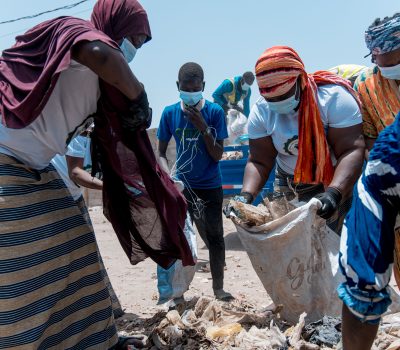
How one community in The Gambia is changing its relationship with plastic
In Bakoteh, a community in the Greater Banjul Area of The Gambia, plastic waste has long been a serious problem. Home to the largest dumpsite in...

As part of the countdown to our 10-year anniversary in 2025, we’ve committed to raising £1 million. We’re on a mission to help people and the planet thrive.
Our fundraising campaign will allow us to support even more people impacted by the daily consequences of the global waste crisis. We need to expand our reach and build our programmes further across plastic, organic, electronic, and textile waste.
WasteAid’s approach is anchored by inclusive circular economy principles. We bring together people at every stage of the waste management chain from waste collectors and village leaders to policy makers and major business leaders. Through mentoring and coaching programmes, access to investments and technical knowledge sharing we work with communities to find lasting solutions to their waste challenge.
Across the globe, one in three people has no waste management service which leads to high levels of pollution, health challenges, and contributes significantly to global warming. Burned and dumped waste releases more CO2 than the aviation industry, while children in communities suffering the worst effects of waste are eight times more likely to suffer health complications.
Our vision is to create a world in which waste causes no harm, and where people in communities impacted by poor waste management are empowered to recover value from dumped materials.
Positively impacting one million people
More than a million people were positively impacted by our projects in Cameroon, Egypt, The Gambia and South Africa between 2022 and 2023. With your support, we want to benefit a million more.
What’s more, our programmes successfully saved 244.20 kilotons of C02 emissions through waste being reused or recycled. Shockingly, this is the equivalent of travelling around the earth’s equator by car 37 times!
Our programmes include plastic recycling schemes, supporting entrepreneurs and green businesses, e-waste and textile upcycling, food waste reuse and developing circular economy networks.
How will we use £1 million to transform lives?
Empowering women and youth waste collectors: Our ‘wastepreneur’ programmes provide waste collectors and green micro-business owners with the skills, knowledge, and investment they need to improve their earning potential from waste.
Mentoring and knowledge sharing: WasteAid brings together people at every stage of the waste value chain from policymakers to waste collectors. Our innovative partnerships share best practice insights, mentoring, and training between our partners in the UK and countries where we’re active.
Circular Economy Network: Inclusive circular economy principles are at the heart of our approach. We’ve seen the transformational power of our circular economy network in The Gambia, Vietnam, South Africa and India and plan to evolve and develop this approach further.
Innovative, lasting solutions: Ultimately, WasteAid works with community leaders, business owners, academics, politicians, and environmentalists to develop tailored solutions that will deliver lasting economic, environmental, and health benefits.
How you can help?
Donations of all sizes will help us achieve our fundraising target.
For businesses, partnering with WasteAid is a great way to support your ESG (Environmental, Social and Governance) goals while bringing teams together to support an important environmental cause. Whether a one-off donation or longer strategic support, we will work with you to create a customised support package that meets your internal and external objectives.
Or why not challenge yourself to a fundraising activity? Bake sales, charity runs or raffles are all fun and effective ways of raising money for a charitable cause that’s close to your heart. If you’re lacking inspiration about how you can support us, we can provide you with a fundraising pack that is full of ideas.
You can donate to our 10th anniversary campaign here.

News
How one community in The Gambia is changing its relationship with plastic
In Bakoteh, a community in the Greater Banjul Area of The Gambia, plastic waste has long been a serious problem. Home to the largest dumpsite in...
News
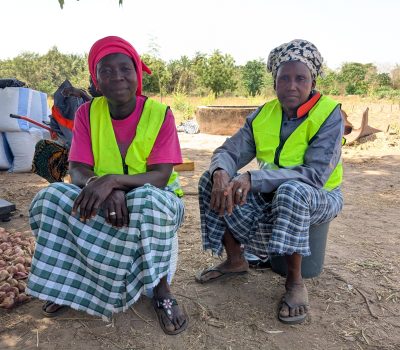
Women farmers in Kalaji turn organic waste into opportunity through the S-ORGANIC project
In Kalaji, a group of women farmers is demonstrating how organic waste can become a productive resource — supporting sustainable agriculture, strengthening livelihoods, and...
News
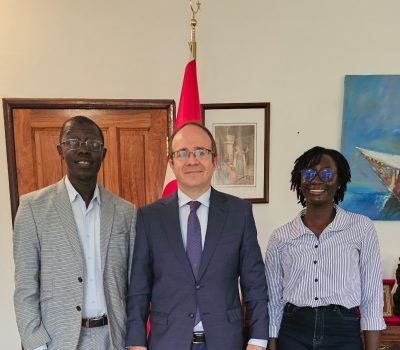
WasteAid and the Turkish Embassy: A New Partnership for Sustainable Change in The Gambia
On 12 May 2026, WasteAid’s Director of Programmes and Project Officer met with Turkish Ambassador F. Turker Oba at the Turkish Embassy in The...
News
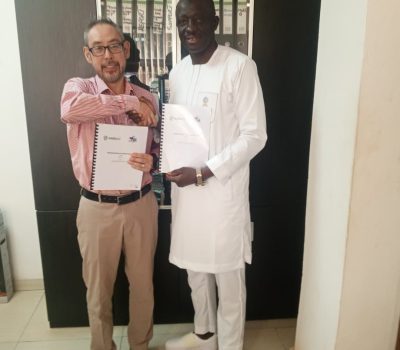
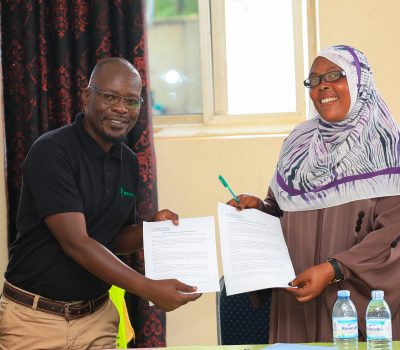
WasteAid and Kanifing Municipal Council sign MoU to strengthen long-standing partnership on sustainable waste management
WasteAid and Kanifing Municipal Council have signed a new Memorandum of Understanding (MoU), marking an important milestone in a partnership that has developed over more than a decade. ...
News
Responding to Community Needs: The Commencement of HUBLINK with Halal Waste Group in Uganda
We have a wealth of evidence demonstrating the positive impact of our Wastepreneur programme. A key driver of this success is our proactive approach—identifying and resolving challenges as soon...
News
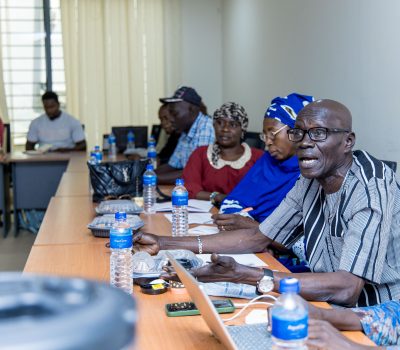
Strengthening The Gambia’s Circular Economy: Insights from WasteAid’s Stakeholder Engagement
We have huge plans to further strengthen and scale our programmes in the countries we work in, evidenced by our recent expansion of our...
In South Africa, disadvantaged rural communities face many challenges caused by poverty and a lack of education, skills, and employment opportunities. The country has the second highest youth unemployment rate in the world at 51.5%, while in the Thembisile Hani municipality of Mpumalanga 49.4% of youth are unemployed, with only 11.7% completing secondary school.
Often, collecting and selling waste is the only way people can make a living. However, picking through toxic waste that clogs the streets, waterways and informal dump sites has a multitude of risks, while the lack of business skills and opportunities limits income generation potential.
A new WasteAid initiative backed by the John Lewis Partnership Foundation will see 100 waste collectors and artisans in rural Mpumalanga given the skills and resources they need to improve their income potential.
WasteAid, a UK-based environmental and development charity has been active in South Africa since 2020 and in 2022 undertook a feasibility study to identify opportunities to reduce plastic waste; launching an education and infrastructure programme to improve livelihoods through waste management.
The new project will expand and replicate WasteAid’s approach in two new rural locations in Mpumalanga, supporting predominantly youth waste pickers and artisans through a bespoke training programme that will equip them with business, waste management, personal development, and upcycling skills and provide basic resources needed to increase their livelihood opportunities.
As well as empowering the waste collectors, artisans, and their families, it is anticipated the programme will positively impact around 21,000 members of the community by reducing the amount of dumped and burned waste, which in turn will improve environmental and health outcomes.
WasteAid will also be working with communities and government institutions including The Department of Agriculture, Rural Development, Land And Environmental Affairs (DARDLEA) and The Thembisile Hani District Municipality to provide educational awareness, establish recycling collection and storage points, and identify markets to sell recyclables and upcycled products; providing an enabling environment for waste pickers.
Ceris Turner-Bailes, CEO of WasteAid, said: “Our project aims to help create dignified and safe livelihoods for young people who lack formal employment opportunities and work as informal waste pickers. Through our interventions, waste pickers will have an opportunity to upskill themselves, generate incomes and benefit both their communities and environments by providing alternative options to harmful dumping and burning practices.”
In informal settlements and underserviced rural communities where waste management is limited or non-existent, approximately 84% of people are forced to dump and burn their waste, while the majority of first-step waste recovery is undertaken by the informal sector. An estimated 90,000+ people live a hand-to-mouth existence as waste-pickers in South Africa. However, waste pickers often live and work in dire conditions and do not receive recognition or support for the valuable work they do.
According to WasteAid’s data, waste reclaimers earn an average of only £55 per month with 70% of those living under the lower-bound poverty line. They experience harsh living conditions including homelessness, food insecurity, lack of formal housing and access to basic services (electricity and water). They operate in dangerous conditions such as mismanaged dumpsites; exposing them to toxic chemicals from burning waste and decomposing organic matter, putting their health and lives at risk. They also lack access to finance, resources, and support to help them elevate their position in life.
By investing in education and support for young people we aim to empower and create meaningful livelihood opportunities that contribute to the economic and social development of disadvantaged communities, whilst addressing the global waste crisis.
The project ultimately contributes to the John Lewis Partnership Foundation’s vision of working in partnership for happier people, happier business, and a happier world.
Nicola Waller, John Lewis Partnership Foundation Chair of Trustees, said: “At the John Lewis Partnership Foundation, we’re excited to be supporting WasteAid to empower vulnerable young people employed in the informal waste picking sector in Mpumalanga, South Africa. By providing waste pickers with technical training and entrepreneurial skills, young people will be able to access improved livelihoods, bringing to life our mission of creating a happier world.”
News
How one community in The Gambia is changing its relationship with plastic
In Bakoteh, a community in the Greater Banjul Area of The Gambia, plastic waste has long been a serious problem. Home to the largest dumpsite in...
News
Women farmers in Kalaji turn organic waste into opportunity through the S-ORGANIC project
In Kalaji, a group of women farmers is demonstrating how organic waste can become a productive resource — supporting sustainable agriculture, strengthening livelihoods, and...
News
WasteAid and the Turkish Embassy: A New Partnership for Sustainable Change in The Gambia
On 12 May 2026, WasteAid’s Director of Programmes and Project Officer met with Turkish Ambassador F. Turker Oba at the Turkish Embassy in The...
News
WasteAid and Kanifing Municipal Council sign MoU to strengthen long-standing partnership on sustainable waste management
WasteAid and Kanifing Municipal Council have signed a new Memorandum of Understanding (MoU), marking an important milestone in a partnership that has developed over more than a decade. ...
News
Responding to Community Needs: The Commencement of HUBLINK with Halal Waste Group in Uganda
We have a wealth of evidence demonstrating the positive impact of our Wastepreneur programme. A key driver of this success is our proactive approach—identifying and resolving challenges as soon...
News
Strengthening The Gambia’s Circular Economy: Insights from WasteAid’s Stakeholder Engagement
We have huge plans to further strengthen and scale our programmes in the countries we work in, evidenced by our recent expansion of our...
WasteAid has announced that this year it has expanded its reach into Uganda, launching programmes to support the country to develop a more robust circular economy and to tackle its growing waste problem. Specifically, WasteAid will be focusing on reducing textile waste through circular solutions and will be expanding its hugely successful ‘wastepreneur’ project which has been positively impacting microenterprises and reducing waste in communities across Johannesburg since 2022.
The charity, which is already active in other African countries as well as India, is able to commence programming in Uganda after securing funding from the UK Government’s Foreign, Commonwealth and Development Office (FCDO) as part of its Sustainable Manufacturing and Environmental Pollution (SMEP) programme and also with the support of long-term partner, the multinational distribution company, Bunzl Plc.
WasteAid is set to launch its successful Wastepreneur business incubator programme this month in Kampala. This 2-year initiative will support women and youth entrepreneurs in the waste and recycling space through providing training, seed funding, and mentoring. WasteAid will help participants improve their earning potential by unlocking value from waste and at the same time work to reduce waste in communities across the capital, diverting it from landfill. The charity’s tried and tested approach has already created hundreds of Wastepreneurs in South Africa and Cameroon.
The new Uganda programme also sees WasteAid tackling textile waste on a large scale for the first time, with a programme specifically focused on imported textiles. A high proportion of these second-hand clothes for a variety of reasons remain unsold and are discarded and dumped. It is estimated that 26 tonnes per day of textiles waste ends up in the Kiteezi dump in Kampala.
WasteAid is working in partnership with a national vocational college in Uganda (Management Training and Advisory Centre) and will collaborate with second-hand clothes sellers and tailors, product designers, and manufacturers to explore how materials can be diverted from landfill and recycled into new products such as accessories, clothing, cleaning items, and soft furnishings. This will be achieved through training, support with infrastructure and equipment and the charity’s flagship innovation competitions.
WasteAid’s CEO, Ceris Bailes-Turner said: “We’re delighted to be extending our reach and impact by opening up a new country programme in Uganda. Having spent much of the last year exploring the possibility of working in Uganda, we are satisfied that WasteAid will be supporting organisations and individuals who are strongly committed to tackling the waste crisis and to adopting circular economy approaches. Once again, I am delighted that as an organisation we will be working with governmental partners, community-based organisations and the private sector to deliver our projects. Our initiatives have already been welcomed by Ministries and national agencies and we look forward to continuing to engage at all levels to really move the dial on tackling textile and plastic waste”.
WasteAid works with communities around the world who are facing some of the greatest challenges caused by the global waste crisis. By providing technical expertise, training, mentoring, investment, and creating circular economy networks it aims to not only find lasting solutions to waste management but also alleviate poverty and reduce the health impact by supporting people to launch green businesses and create job opportunities.
News
How one community in The Gambia is changing its relationship with plastic
In Bakoteh, a community in the Greater Banjul Area of The Gambia, plastic waste has long been a serious problem. Home to the largest dumpsite in...
News
Women farmers in Kalaji turn organic waste into opportunity through the S-ORGANIC project
In Kalaji, a group of women farmers is demonstrating how organic waste can become a productive resource — supporting sustainable agriculture, strengthening livelihoods, and...
News
WasteAid and the Turkish Embassy: A New Partnership for Sustainable Change in The Gambia
On 12 May 2026, WasteAid’s Director of Programmes and Project Officer met with Turkish Ambassador F. Turker Oba at the Turkish Embassy in The...
News
WasteAid and Kanifing Municipal Council sign MoU to strengthen long-standing partnership on sustainable waste management
WasteAid and Kanifing Municipal Council have signed a new Memorandum of Understanding (MoU), marking an important milestone in a partnership that has developed over more than a decade. ...
News
Responding to Community Needs: The Commencement of HUBLINK with Halal Waste Group in Uganda
We have a wealth of evidence demonstrating the positive impact of our Wastepreneur programme. A key driver of this success is our proactive approach—identifying and resolving challenges as soon...
News
Strengthening The Gambia’s Circular Economy: Insights from WasteAid’s Stakeholder Engagement
We have huge plans to further strengthen and scale our programmes in the countries we work in, evidenced by our recent expansion of our...
by Angela Ludek, WasteAid’s Project Officer – Informal Sector Engagement, South Africa
About 360,000 tonnes of e-waste is generated each year across South Africa, with the province of Gauteng responsible for approximately 55% of this total. Globally e-waste is growing at a rapid rate with a lot of e-waste shipped to Africa and Asia for recycling. Around 50 million tons is generated annually. This is equivalent to throwing out 432 laptops every minute.
According to the EPR Waste Association of South Africa (eWASA), South Africans produce about 6.2kg of electronic waste per person per year. Around 12% of this is formally recycled and the majority of the remainder makes its way straight to landfill, where it dissolves gradually into the gross sludge that permeates at the landfill, known as leaching. This is hazardous to both human and environmental health as e-waste contains extremely toxic chemicals such as lead, arsenic, and mercury, flame retardants and certain phthalates. With the reality of strained structural resources in South Africa, a lot of e-waste is simply burned in communities, which means that people living there, including children, have high exposure to the toxicity released.
In between there is a missing middle: the informal repairers who are an important part of South Africa’s reuse, repair and recycling economy. They work in the heart of communities as they interface with the informal waste pickers who recover valuable resources and divert these resources from landfill towards reuse and recycling. Repairers trade with waste collectors for e-waste components to repair electrical and electronic equipment for a growing customer base of those living in townships who find it cheaper to repair than buy new appliances, for example. By investing in the community repair and reuse ecosystem, the potential of scaling up the recovery of e-waste is amplified and the livelihood opportunities of repairers within the informal economy is increased.
Building on WasteAid’s experience of delivering professional training and investing seed funding in ‘wastepreneurs’ in South Africa to scale up waste recovery into the materials value chain, WasteAid has extended its programme to e-waste.
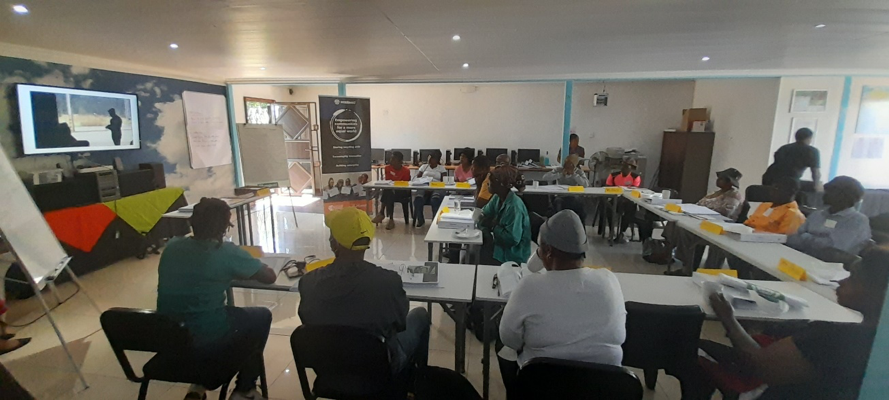
Supported by the Dixon Foundation, a UK charity that nurtures positive change for the planet’s future, WasteAid has developed a programme that facilitates and supports e-waste repair and reuse models, by investing in repair micro-businesses within Diepsloot, a densely populated township in Gauteng. This interception of e-waste into appliance repair models keeps products and materials in use, and is part of a circular approach that is paving the way for a more sustainable future.
The E-Waste Repair and Reuse Programme transferred knowledge on repairing electrical appliances through the business incubation training, with a practical application on electrical circuitry and appliance repair during the programme.
The e-waste training programme curriculum has been designed to include an inclusive overview of the business of e-waste repair with an extensive overview of circular economy principles, as well as the global and local implications of e-waste.
Ten active repairers took part in and completed the programme. Training took place at the Wot-If? Trust e-Hub in Diepsloot township in Johannesburg, South Africa, which was central for all participating repairers to access. It was delivered by four specialised local trainers.
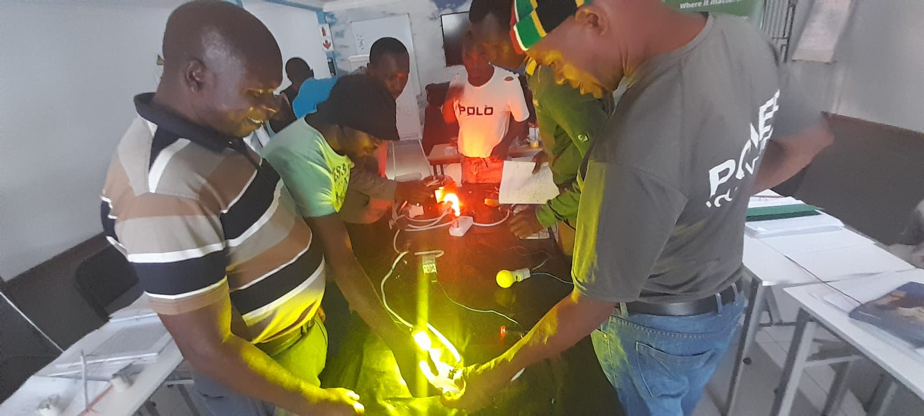
The training programme primarily focused on electrical repair related to small domestic appliances which included larger white goods.
During the practical sessions, a range of domestic appliances were donated for fixing from WasteAid’s network of waste and environmental practitioners. All of which were all fixed during class and included: kettles, urns, slow-cooker, irons, microwaves, fans, monitors, a washing machine and a deep freezer.
Some fixed items were donated back to the community organisations they came from, and some network members who contributed equipment for fixing, donated an amount of money to the repairers to share.
All participants had indicated at the start of the project that they lacked access to specialised tools as they were costly to invest in. To entrench business growth by building capacity, each participating repairer received capital investment in the form of tools needed to ensure the effective turnaround time of repairing items.
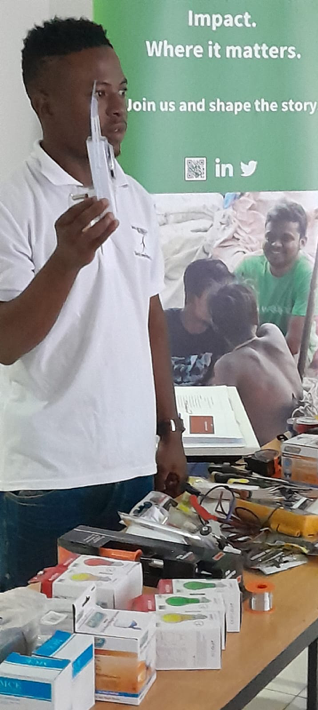
The needs analysis at the start of the programme indicated challenges they each face in building trusted relationships with their customers that will lead to an increase in returning customers, and in turn an increase in income.
After the programme, the upskilled repairers said that as micro-businesses they now feel that they will build stronger trusted relationships with their customers as they have solid knowledge of the proper repair standards and safety surrounding the repair of electrical appliances and circuitry.
All ten participating repairers concluded that the training was very useful to them and they were proud to showcase their certification of the programme to their customers and community. They all indicated that the business and financial knowledge and digital marketing aspects added huge value to the running of their businesses.
Through this programme, it became clear to participants that there is further value for business growth in repair by amplifying the inclusion of components from e-waste generated in the community into their repair models.
This has resulted in the repairers engaging with community members, especially the wastepreneurs (reclaimers that went through WasteAid’s Wastepreneur Challenge programmes) to acquire components of electrical and electronic waste that they collect. Repairers will buy these components from them instead of new components for repair and so creating an ecosystem that allows for awareness and exchange.
Repairer David Chiporore commented; “I used to throw away common parts, now I can use them and get money”.
The feedback indicated that the practical training of the electrical aspects increased their confidence in their skill set to repair and that they appreciated the e-waste overview and breakdown of electronic equipment to understand the value of the extracted minerals, as well as the overall perspective of utilising e-waste components for repair.
The E-Waste Repair and Reuse Programme demonstrated that this approach is scalable, and WasteAid is exploring how to replicate this programme in the province and elsewhere in South Africa.
These programmes focused on e-waste recovery will amplify the usage of discarded e-waste components in communities to accelerate keeping e-waste in the local ecosystem through repair and reuse models.
News
How one community in The Gambia is changing its relationship with plastic
In Bakoteh, a community in the Greater Banjul Area of The Gambia, plastic waste has long been a serious problem. Home to the largest dumpsite in...
News
Women farmers in Kalaji turn organic waste into opportunity through the S-ORGANIC project
In Kalaji, a group of women farmers is demonstrating how organic waste can become a productive resource — supporting sustainable agriculture, strengthening livelihoods, and...
News
WasteAid and the Turkish Embassy: A New Partnership for Sustainable Change in The Gambia
On 12 May 2026, WasteAid’s Director of Programmes and Project Officer met with Turkish Ambassador F. Turker Oba at the Turkish Embassy in The...
News
WasteAid and Kanifing Municipal Council sign MoU to strengthen long-standing partnership on sustainable waste management
WasteAid and Kanifing Municipal Council have signed a new Memorandum of Understanding (MoU), marking an important milestone in a partnership that has developed over more than a decade. ...
News
Responding to Community Needs: The Commencement of HUBLINK with Halal Waste Group in Uganda
We have a wealth of evidence demonstrating the positive impact of our Wastepreneur programme. A key driver of this success is our proactive approach—identifying and resolving challenges as soon...
News
Strengthening The Gambia’s Circular Economy: Insights from WasteAid’s Stakeholder Engagement
We have huge plans to further strengthen and scale our programmes in the countries we work in, evidenced by our recent expansion of our...
As this year draws to a close, I am delighted to reflect on what has been a very successful year for WasteAid, delivering our vision of a world without waste where people in need are empowered to recover its value. Whilst the year has not been without its challenges, I am hugely proud of all that we have delivered. This has been our biggest year so far for our young and dynamic organisation and we positively impacted the lives of 1,264,730 people in Cameroon, Egypt, Gambia and South Africa. Our programmes have succeeded in saving 244.20 kt of CO2 emissions through waste being reused or recycled within our programmes – the equivalent of travelling 37 times around the earth’s equator by car! We have intervened to reduce and recycle plastic, organic and electronic waste. We couldn’t do this without the support of our friends and donors, and I wish to extend our thanks to all who have been with WasteAId on this journey.
The projects that we delivered this year include the fabulous Circular Economy Network in The Gambia which was funded by the CIWM (Chartered Institute of Wastes Management). Phase one of this project came to an end in June, but I am delighted that we continue to partner with CIWM for phase 2 which is already enjoying fantastic engagement. This project is both unique and innovative and is professionalising waste management and supporting circular economy innovation. In Egypt we have been tackling flexible plastic waste in the Aswan region bringing stakeholders together to create sustainable local solutions funded by Dow Packaging. In South Africa, we were awarded funding from UKRI (UK Research & Innovation) through WRAP’s (Waste and Resources Action Plan) International Circular Plastic Flagship Projects competition. We undertook an innovative feasibility study developing a circular economy centred and stimulating end-markets locally for recyclable materials. Early 2023 saw the launch of our partnership with the Norwegian Retailers Environment Fund (NREF) focused on the empowerment of vulnerable communities in Banjul, Gambia to reduce and recycle plastic waste through a local recycling facility.
We also continued our impactful collaboration with long-term partners Bunzl Group Plc, who supported our interventions in both Cameroon and South Africa with the informal sector engaged in waste management – elements included the construction of a plastic recycling facility in Cameroon and practical and financial support to wastepreneurs in the townships of Johannesburg. Finally, we further developed projects to tackle organic waste in The Gambia and electronic waste in South Africa funded by Partners Group and The Dixon Foundation respectively.
Through these projects we have supported and nurtured entrepreneurs and green businesses in the waste space, as well helping communities to reduce waste pollution. It has been a busy year, but we are still keen to do so much more, and you know what, we will be doing even more! I am thrilled to let you know that at the same time as delivering what we have in 2023, the amazing team at WasteAid has been able to develop an innovative and expansive 2024 portfolio which includes starting work in two additional countries. We are set to grow a phenomenal 70% and will be working with new funders and partners, do stay tuned for announcements in due course! Without funders such as our proud partners Biffa and their committed staff, ARM, Beyondly, Compass Group, Cromwell Polythene, Helen & Michael Brown and Zumo our ability to develop such innovative and impactful responses to the waste crisis would be significantly curtailed. Thank you again for your support it is as a direct result of this that WasteAid is set to reach even greater heights in 2024.
I would like to also thank our individual supporters, whether sharing or liking our social media or contributing to our fundraising campaigns, thank you. Times are tough and this support is enormously appreciated. Equally, we hugely appreciate the support from members of the Foodservice Packaging Association, attendees of the National Recycling Awards and individual members of CIWM.
I am sure you have seen that we have recently launched an ambitious fundraising campaign to help us raise £1 million by the end of 2025 which will be WasteAid’s tenth anniversary. This is to ensure the sustainability of our vital organisation and to allow us to continue to do even more. Any ideas or suggestions as to how you could help us achieve this target would be gratefully received. If you would like to get involved, please get in touch. We are already off to a great start even in just the first month and we will be sharing updates in 2024.
It now only remains for me to wish you all a very happy holiday season and to offer my very best wishes to you for 2024.
Ceris Turner-Bailes
CEO, WasteAid
News
How one community in The Gambia is changing its relationship with plastic
In Bakoteh, a community in the Greater Banjul Area of The Gambia, plastic waste has long been a serious problem. Home to the largest dumpsite in...
News
Women farmers in Kalaji turn organic waste into opportunity through the S-ORGANIC project
In Kalaji, a group of women farmers is demonstrating how organic waste can become a productive resource — supporting sustainable agriculture, strengthening livelihoods, and...
News
WasteAid and the Turkish Embassy: A New Partnership for Sustainable Change in The Gambia
On 12 May 2026, WasteAid’s Director of Programmes and Project Officer met with Turkish Ambassador F. Turker Oba at the Turkish Embassy in The...
News
WasteAid and Kanifing Municipal Council sign MoU to strengthen long-standing partnership on sustainable waste management
WasteAid and Kanifing Municipal Council have signed a new Memorandum of Understanding (MoU), marking an important milestone in a partnership that has developed over more than a decade. ...
News
Responding to Community Needs: The Commencement of HUBLINK with Halal Waste Group in Uganda
We have a wealth of evidence demonstrating the positive impact of our Wastepreneur programme. A key driver of this success is our proactive approach—identifying and resolving challenges as soon...
News
Strengthening The Gambia’s Circular Economy: Insights from WasteAid’s Stakeholder Engagement
We have huge plans to further strengthen and scale our programmes in the countries we work in, evidenced by our recent expansion of our...
A second initiative to support the development of a formalised approach to waste management in The Gambia has been announced by WasteAid, a UK-based international non-governmental organisation, and the Chartered Institution of Wastes Management (CIWM).
The project, involving senior policymakers and local authority leaders as well as leading entrepreneurs, academics, and community leaders, will see WasteAid and CIWM members share best practices and technical skills. The approach will provide mentoring, technical training, and support to private enterprises and local councils.
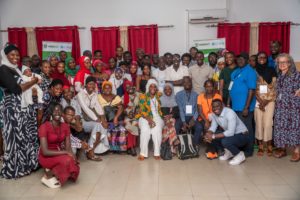
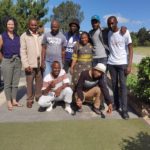
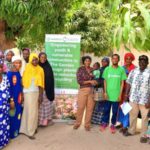
Named by the Gambian project participants as Dennakuwo (which translates as ‘together we can’), it builds on the recently completed and highly successful first phase which established a Circular Economy Network in Greater Banjul. This network was the first of its kind in The Gambia and has brought the issues of circular economy and the need to support local solutions into the spotlight. The second phase of the project will continue to develop the network and deepen ties with CIWM members through knowledge transfer and exchanges on technical issues. This will include support to local authorities through a soon to be established Local Authorities Working Group which will be co-chaired by CIWM and Gambian representatives.
The Circular Economy Network, which now boasts 165 active members, aims to bring together those who can make the circular economy a reality in Banjul. It provides a collaborative forum to explore innovative solutions to local circular economy issues. By providing training and mentoring to members and supporting fledgling green businesses, WasteAid aims to identify and implement practical, circular economy solutions for communities.
Ceris Turner-Bailes, Chief Executive at WasteAid, said: “Our activity in The Gambia is a flagship example of what WasteAid is all about – convening diverse actors to support the transition from linear to circular economies and we are hugely grateful to CIWM for its continued financial and advisory support.
“The first phase of our work in the country enabled us to launch the Circular Economy Network which is already helping to deliver transformative waste initiatives in Greater Banjul. Our partnership with CIWM is helping members of the Circular Economy Network to learn from best practices in the UK and identify steps that they can take to reduce pollution in The Gambia and turn waste into economic opportunities.
“By working together, we are taking a huge step towards a cleaner and healthier future for all in The Gambia. Providing people at all levels of the waste management value chain with training, coaching, and access to targeted funding to deliver innovative and impactful waste management solutions to the people who need help the most.”
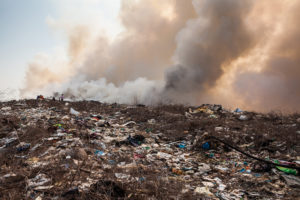
The Gambia is Africa’s smallest mainland country and has very limited waste management capacity often resulting in open dumping and burning of waste. This leads to poor health, economic losses and climate emissions. The challenges have been recognised at both local and national levels as a priority for sustainable development. The Gambia is one of the few countries committed to meeting the Paris Agreement to keep global warming below 1.5C. Alongside reducing climate emissions, the Ministry of Environment is also focused on protecting the country’s natural resources and building resilience to climate shocks such as drought and floods.
CIWM represents and supports over 6,500 individuals and 250 organisations in the resource and waste management sector. It has supported WasteAid’s activity in The Gambia since 2021.
Sarah Poulter, CEO of CIWM, said: “We are proud to have supported WasteAid’s activity in The Gambia since 2021 and are delighted to have the opportunity to expand on the project’s successes so far through this important second phase. There are currently no similar initiatives in the country which makes it even more crucial that we work with people at every level of the waste value chain to help them identify long-term solutions to their waste management challenges.
Resource efficiency is a global social responsibility, and inspiring and enabling action worldwide is a key aspect of CIWM’s strategy. Our purpose is to move the world beyond waste, and the collaboration and innovation facilitated by international initiatives such as the Circular Economy Network in Greater Banjul are vital to achieving this.”
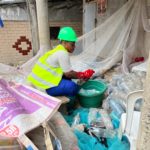
While this project firmly connects key players from within the waste value chain to create an enabling environment so that the circular economy can flourish, WasteAid remains committed to reaching out to some of the poorest and most marginalised to offering training, mentoring, and a small amount of investment to help them improve their income potential. The project with CIWM will offer 25 vulnerable women guidance on turning food waste into compost, creating agri-products and deriving income from these activities.
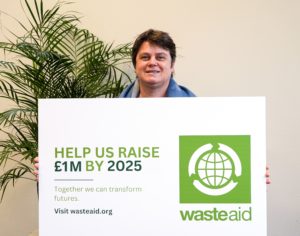
News of the partnership follows the launch of a major fundraising campaign by WasteAid to raise £1 million before its 10th anniversary in 2025. The money raised will be used toward continuing existing projects and expanding the charity’s support to more communities around the globe.
The charity helps communities around the globe who are negatively affected by the global waste crisis to reduce waste pollution. Through its collaborative approach with local authorities, businesses, and community leaders, WasteAid delivers targeted, impactful programmes that support a local circular economy, and provide livelihood opportunities, training and skills for its programme participants, while also investing in locally appropriate infrastructure.
It is committed to supporting the informal sector – which is often among the most marginalised – and showcasing how a circular economy benefits everybody. Its response is always practical, locally appropriate, and focused on delivering lasting sustainable change. WasteAid’s whole-systems approach combines community behaviour change programmes, household collection infrastructure, and supporting collector groups, right through to identifying end-market solutions for waste.
News
How one community in The Gambia is changing its relationship with plastic
In Bakoteh, a community in the Greater Banjul Area of The Gambia, plastic waste has long been a serious problem. Home to the largest dumpsite in...
News
Women farmers in Kalaji turn organic waste into opportunity through the S-ORGANIC project
In Kalaji, a group of women farmers is demonstrating how organic waste can become a productive resource — supporting sustainable agriculture, strengthening livelihoods, and...
News
WasteAid and the Turkish Embassy: A New Partnership for Sustainable Change in The Gambia
On 12 May 2026, WasteAid’s Director of Programmes and Project Officer met with Turkish Ambassador F. Turker Oba at the Turkish Embassy in The...
News
WasteAid and Kanifing Municipal Council sign MoU to strengthen long-standing partnership on sustainable waste management
WasteAid and Kanifing Municipal Council have signed a new Memorandum of Understanding (MoU), marking an important milestone in a partnership that has developed over more than a decade. ...
News
Responding to Community Needs: The Commencement of HUBLINK with Halal Waste Group in Uganda
We have a wealth of evidence demonstrating the positive impact of our Wastepreneur programme. A key driver of this success is our proactive approach—identifying and resolving challenges as soon...
News
Strengthening The Gambia’s Circular Economy: Insights from WasteAid’s Stakeholder Engagement
We have huge plans to further strengthen and scale our programmes in the countries we work in, evidenced by our recent expansion of our...