News
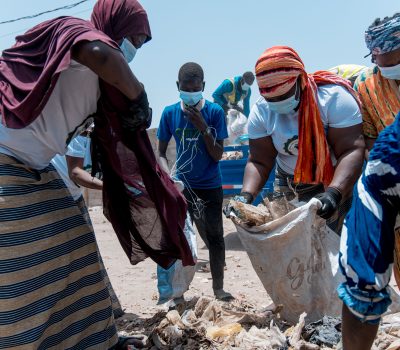
How one community in The Gambia is changing its relationship with plastic
In Bakoteh, a community in the Greater Banjul Area of The Gambia, plastic waste has long been a serious problem. Home to the largest dumpsite in...

WasteAid, the UK-based international NGO that shares waste management and recycling skills with policymakers and communities in lower- and middle-income countries, has welcomed three new Trustees to its Board. Between them, they bring a wealth of experience in government, international development, humanitarian programmes, and water and sanitation.
 Claudio Deola is a Senior Humanitarian WASH (water, sanitation and hygiene) Advisor at Save the Children where he currently coordinates the global humanitarian WASH response. He has almost 20 years of practical experience in the WASH sector, both in direct implementation and in remote support. He has worked with different types of organisations in multicultural environments, in large scale operations and in complex emergencies as well as in early recovery. He has a sound academic grounding in engineering and humanitarian assistance, having completed a MSc in Hydraulic and Environmental Engineering and a MA in Humanitarian Aid. He has a strong commitment to impact effectiveness in humanitarian assistance, and is currently co-chairing the Global WASH Roadmap 2020-2025.
“I’m absolutely thrilled and honoured to become part of the board of trustees. I believe WasteAid’s mission is a crucial one that can improve the health and quality of life of many people and bring more visibility to an overlooked problem. Having just joined the board, I am already incredibly impressed by the work WasteAid is doing and by the commitment, energy and passion of its staff.”
 Enzo Martinelli is an international development professional who has been working for over 30 years with international NGOs based in the UK, Italy and Germany, where he has gained expertise in organisational development, resource mobilisation, programme development and project management. Enzo’s areas of interest are quite diverse and encompass community-based interventions in small business development and microfinance, formal and adult education, human rights protection, freedom of press, media development and environmental protection.
Enzo Martinelli said: “Environmental protection and waste management are critical elements in mitigating climate change risks. Within this context, WasteAid commitment to the promotion of more sustainable practices and policies around waste management is very laudable. I am honoured to have had the opportunity to join their Board of Trustees at a time of exponential growth for the organisation, which is a clear signal of the urgency for such interventions and of the great demand for greater impact for this work worldwide.”
 Deborah Sacks has worked in the waste management industry for over twenty years, in both the public and private sectors. Since 2010 she has run a waste management consultancy that focuses on work with local and central government identifying the steps needed to improve waste management performance within the UK and other countries around the world.
Deborah has also been on the board of a number of different charities in the UK and brings extensive experience to WasteAid in both the UK and abroad.
Chair of the WasteAid Board Sarahjane Widdowson said: “We’re pleased to welcome Deborah, Enzo and Claudio and look forward to strengthening our board with their diverse skills and experience. We’d also like to say a big thank you to our two outgoing trustees Rachel Wildblood and Ray Georgeson, who were founder members of the board. WasteAid continues to make an impact on an important and yet often overlooked area, and the board are ready to support our fantastic staff to continue their impressive work in raising awareness of this important issue and scaling the organisation to amplify our impact.”

News
How one community in The Gambia is changing its relationship with plastic
In Bakoteh, a community in the Greater Banjul Area of The Gambia, plastic waste has long been a serious problem. Home to the largest dumpsite in...
News
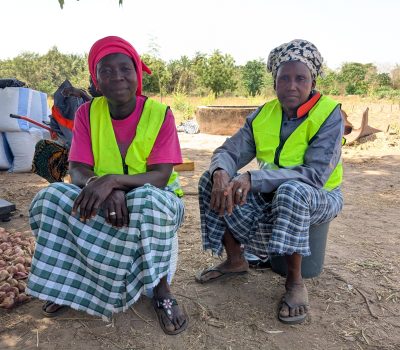
Women farmers in Kalaji turn organic waste into opportunity through the S-ORGANIC project
In Kalaji, a group of women farmers is demonstrating how organic waste can become a productive resource — supporting sustainable agriculture, strengthening livelihoods, and...
News
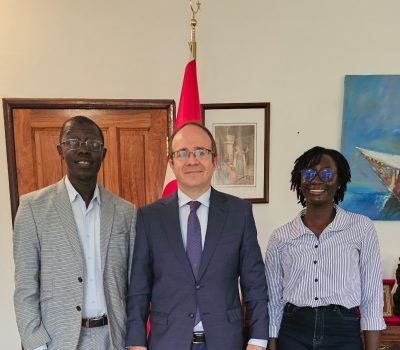
WasteAid and the Turkish Embassy: A New Partnership for Sustainable Change in The Gambia
On 12 May 2026, WasteAid’s Director of Programmes and Project Officer met with Turkish Ambassador F. Turker Oba at the Turkish Embassy in The...
News
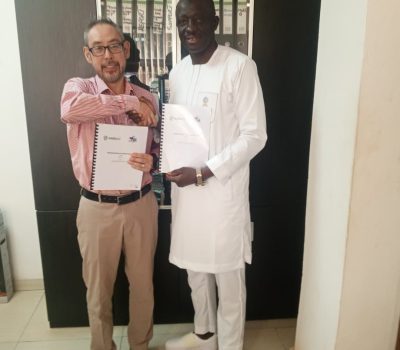
WasteAid and Kanifing Municipal Council sign MoU to strengthen long-standing partnership on sustainable waste management
WasteAid and Kanifing Municipal Council have signed a new Memorandum of Understanding (MoU), marking an important milestone in a partnership that has developed over more than a decade. ...
News
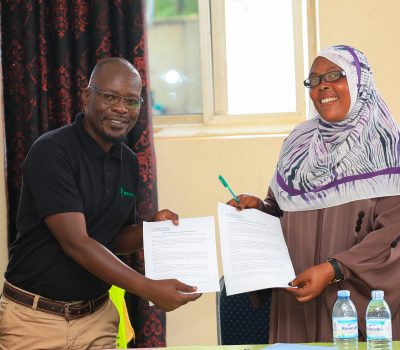
Responding to Community Needs: The Commencement of HUBLINK with Halal Waste Group in Uganda
We have a wealth of evidence demonstrating the positive impact of our Wastepreneur programme. A key driver of this success is our proactive approach—identifying and resolving challenges as soon...
News
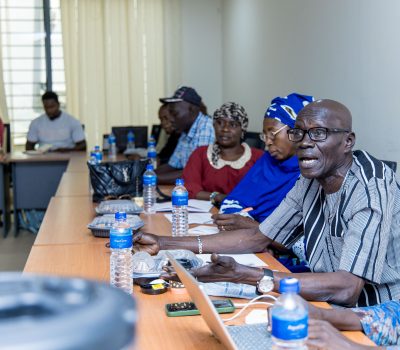
Strengthening The Gambia’s Circular Economy: Insights from WasteAid’s Stakeholder Engagement
We have huge plans to further strengthen and scale our programmes in the countries we work in, evidenced by our recent expansion of our...
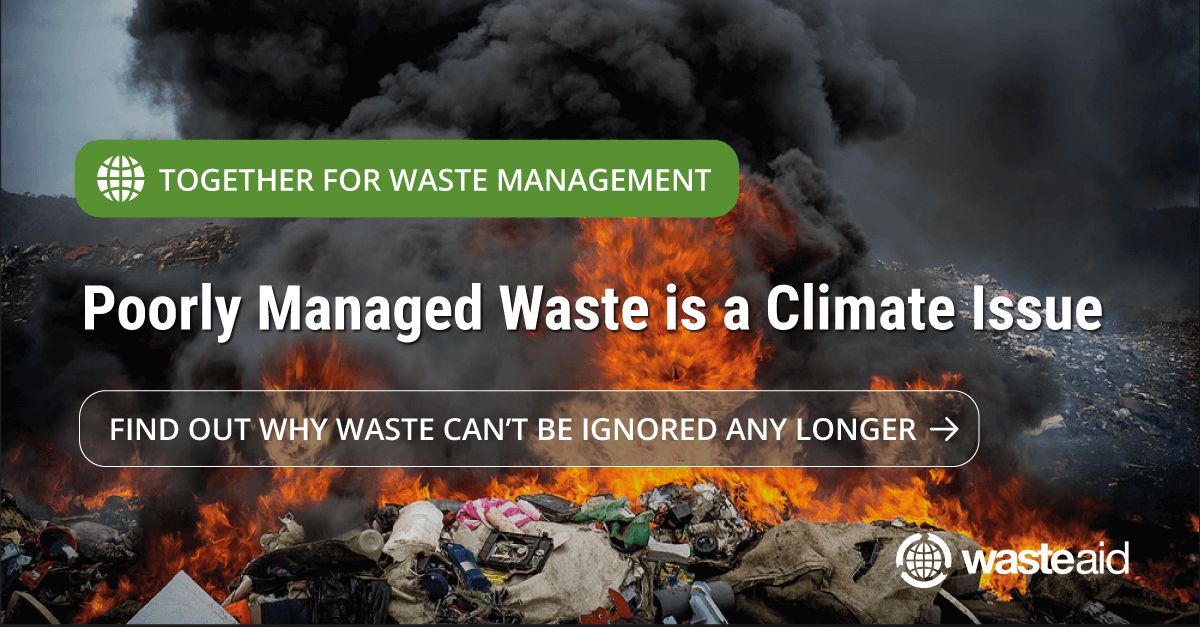
The United Nations Climate Change Conference, COP26, is taking place in Glasgow this November. WasteAid has been collaborating with partners to put waste management on the agenda.
1 in 3 people globally do not have their waste collected, and so have to dump or burn their waste nearby. The impacts are huge – affecting childhood development, spreading disease, and contributing to marine plastic pollution and climate emissions.
Implementing a waste collection service is also good for climate resilience. Keeping plastic waste out of drains reduces flood risk, while composting food waste helps farmers in drought-prone areas to protect their soil.
For these reasons, WasteAid is advocating for climate finance to be directed towards waste management.
Join WasteAid and partners at COP26
8 Nov: Panel discussion – A wasted opportunity: open burning of waste causes a climate and health calamity
9 Nov: Panel discussion – The case for mitigating black carbon – climate and health co-benefits
10 Nov: Exclusive journalists’ roundtable – Collaborating across the value chain for climate action
11 Nov: KEYNOTE EVENT – Panel discussion – The burning issue? Waste, climate, health and development
Scroll down for details
A wasted opportunity: open burning of waste causes a climate and health calamity
Monday 8 November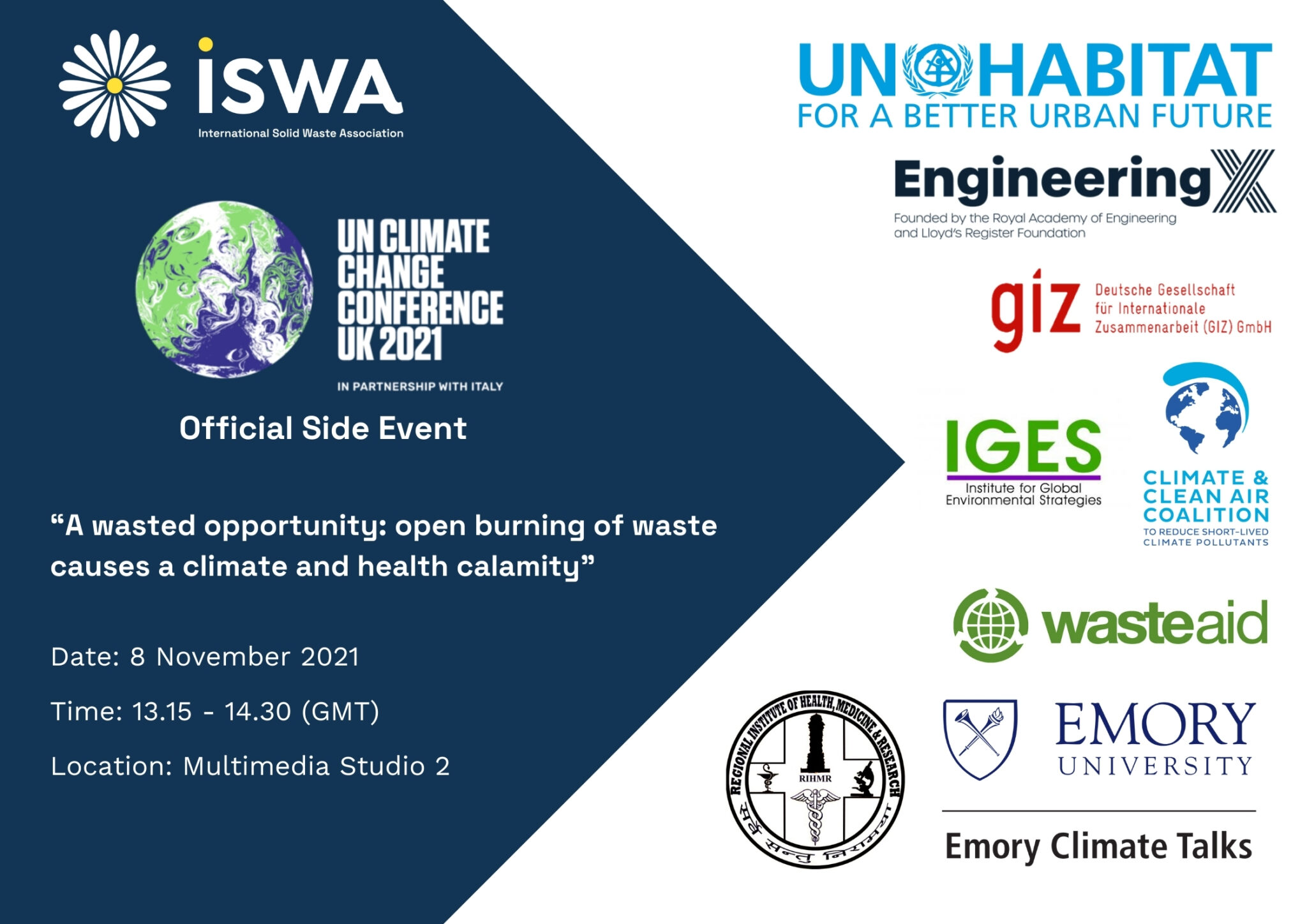
1.15pm – 2.30pm and live streamed (recording available).
Multimedia Studio 2
An official side event at COP26, WasteAid will feature alongside partners from the International Solid Waste Association, Engineering X (Royal Academy of Engineering and Lloyd’s Register Foundation), UN Habitat and more.
Hear diverse voices discussing the climate and health impacts of open burning, and examples of positive change from around the world.
The Case for Mitigating Black Carbon – Climate and Health Co-Benefits
Tuesday 9 November
5.00pm – 6.00pm
WHO Pavilion and live streamed.
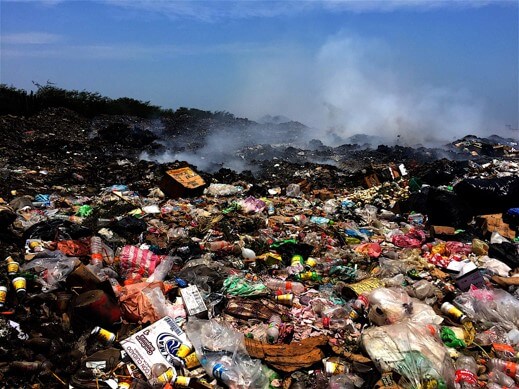
How communities make the connection between the public health and climate benefits of mitigating waste emissions.
Effective strategies for reducing Black Carbon emissions from the waste sector, and how these can support Nationally Determined Contributions.
Techniques for reducing Black Carbon emissions, from ending open burning to closing dumpsites.
Strategies for ending open burning of waste, and tools to assess the benefits of mitigation strategies.
Where can governments start? Who can they call? What toolbox do they need?
Hosted by ABT Associates
Speakers:
Zoë Lenkiewicz, Senior Technical Advisor and Head of Communications, WasteAid
Carlos RV Silva Filho, President of the International Solid Waste Association (ISWA)
Dr Pierpaulo Mudu, World Health Organisation (WHO)
Exclusive: Journalists’ Roundtable with WasteAid and Huhtamaki
Wednesday 10 November
3.30pm – 4.30pm
Online
In advance of the scheduled panel discussion on 11 November, WasteAid and Huhtamaki are offering journalists the opportunity to join a roundtable discussion.
WasteAid and Huhtamaki have been working together since 2020 to help accelerate a circular economy, through the WasteAid Circular Economy Network.
The Zero Waste Cities Challenge, in Ho Chi Minh City, Johannesburg and Guwahati has enabled grassroots innovators and entrepreneurs to develop circular economy solutions in their cities. See the winners!
Find out more about the approaches taken by WasteAid and Huhtamaki to delivering climate action through a circular economy.
Journalists: please contact us on media@wasteaid.org
KEYNOTE EVENT: The Burning Issue? Waste, Climate, Health and Development
Thursday 11 November
10.00am – 11.30am
The Studio, 67 Hope St, Glasgow G2 6AE (outside the secure zone) and live streamed.
For a circular economy to flourish, all actors in the global value chain need to be equipped and empowered – from designing sustainable packaging to keep food safe from farm to fork, to implementing waste collection systems that bring social value.
Join us in Glasgow to hear how global leaders are delivering climate action through an inclusive, circular economy.
This is a free, public event. To attend in person, please register here.
Ceris Turner-Bailes – Chief Executive, WasteAid (sponsoring organisation)
H.E. Mr. Lamin B. Dibba – Minister of Environment, Climate Change and Natural Resources of The Gambia
Maurice Golden MSP – Member of the Scottish Parliament and Convenor of Cross-Party Group in the Scottish Parliament on Circular Economy
Charles Héaulmé – President and Chief Executive, Huhtamaki
Ryan Shorthouse – Director, Bright Blue (chair)
Written by Zoë Lenkiewicz
News
How one community in The Gambia is changing its relationship with plastic
In Bakoteh, a community in the Greater Banjul Area of The Gambia, plastic waste has long been a serious problem. Home to the largest dumpsite in...
News
Women farmers in Kalaji turn organic waste into opportunity through the S-ORGANIC project
In Kalaji, a group of women farmers is demonstrating how organic waste can become a productive resource — supporting sustainable agriculture, strengthening livelihoods, and...
News
WasteAid and the Turkish Embassy: A New Partnership for Sustainable Change in The Gambia
On 12 May 2026, WasteAid’s Director of Programmes and Project Officer met with Turkish Ambassador F. Turker Oba at the Turkish Embassy in The...
News
WasteAid and Kanifing Municipal Council sign MoU to strengthen long-standing partnership on sustainable waste management
WasteAid and Kanifing Municipal Council have signed a new Memorandum of Understanding (MoU), marking an important milestone in a partnership that has developed over more than a decade. ...
News
Responding to Community Needs: The Commencement of HUBLINK with Halal Waste Group in Uganda
We have a wealth of evidence demonstrating the positive impact of our Wastepreneur programme. A key driver of this success is our proactive approach—identifying and resolving challenges as soon...
News
Strengthening The Gambia’s Circular Economy: Insights from WasteAid’s Stakeholder Engagement
We have huge plans to further strengthen and scale our programmes in the countries we work in, evidenced by our recent expansion of our...
Team Zumo gets involved in support of partner charity WasteAid
This article was written by Daniel Taylor, Lead Content Marketeer at Zumo, and was first published on the Zumo website.
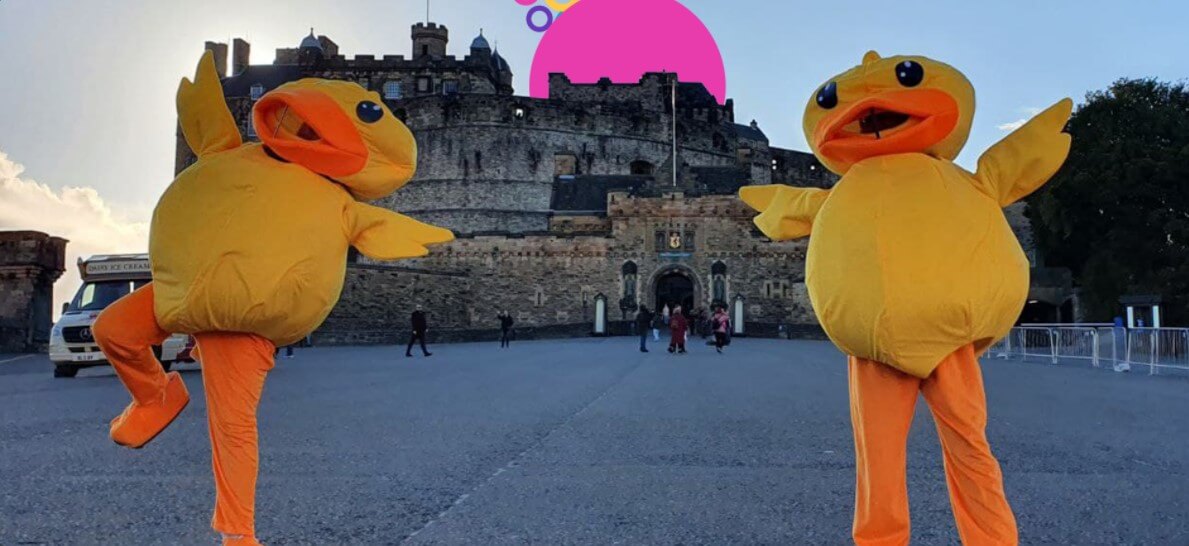
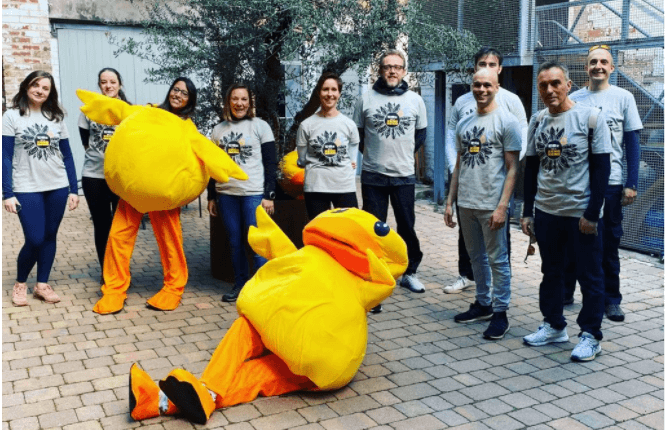
One team, one goal: On Sunday 3 October, members of the Zumo team from across the UK joined together to fundraise for our partner charity WasteAid and show their support for the vital work WasteAid is doing to tackle the problems of waste management and climate change.
As well as a 16.5-mile fundraising and awareness walk starting and finishing at Zumo HQ in Edinburgh, team members across the country have been completing their own fundraising challenges, and all in all we hope to contribute a team total of £5,000 to WasteAid by the end of the year.
With one in three people worldwide forced to dump or burn their waste – causing disease, polluting the oceans, and contributing to the global climate crisis – it’s a cause that has been close to our hearts, and we hope you’ll join us in helping WasteAid continue their great work to protect our planet.
Donations are still open on our JustGiving page – we’re getting tantalisingly close to our target so please do consider making a donation if you can!
If you prefer, you can also donate by text – simply text ZUMO followed by your donation amount to 70085.
Spreading the word
Spurred on by a sun almost as yellow as the Zumo ducks, the Zumo fundraising and awareness walk, which took in a 16.5-mile loop of Edinburgh and city, was a huge success, with a lot of good conversations had along the way and a very encouraging amount of engagement from the public along the route. From Stockbridge to Leith, from Holyrood Park to Edinburgh Old Town, we hope we’ve played our small part in increasing awareness of the great work WasteAid is doing around the world.
As a company, we’re immensely proud to support WasteAid and its mission. Those who have followed us on our journey so far will know that we feel as passionately about protecting and nurturing our environment as we do about cryptocurrency. Our mission is to bring the benefits of crypto to everyone, whilst protecting the future of our planet: to play our part and set an example that we can all be proud of.
Ceris Turner-Bailes, WasteAid CEO, said: “We are grateful to the Zumo team for their superb fundraising activities, part of the company’s longer-term support to WasteAid. From reducing climate emissions to protecting the oceans and public health, waste management is a vital yet often overlooked area. Zumo is helping raise awareness and funds to support better waste management where it’s most needed.”
Rest assured, we’re not stopping here: we’ll continue to keep raising funds for WasteAid and we’ll keep working to progress and practically contribute to the sustainability conversation in our own sector.
We’ve got some more extremely exciting announcements coming soon, so watch this space!
News
How one community in The Gambia is changing its relationship with plastic
In Bakoteh, a community in the Greater Banjul Area of The Gambia, plastic waste has long been a serious problem. Home to the largest dumpsite in...
News
Women farmers in Kalaji turn organic waste into opportunity through the S-ORGANIC project
In Kalaji, a group of women farmers is demonstrating how organic waste can become a productive resource — supporting sustainable agriculture, strengthening livelihoods, and...
News
WasteAid and the Turkish Embassy: A New Partnership for Sustainable Change in The Gambia
On 12 May 2026, WasteAid’s Director of Programmes and Project Officer met with Turkish Ambassador F. Turker Oba at the Turkish Embassy in The...
News
WasteAid and Kanifing Municipal Council sign MoU to strengthen long-standing partnership on sustainable waste management
WasteAid and Kanifing Municipal Council have signed a new Memorandum of Understanding (MoU), marking an important milestone in a partnership that has developed over more than a decade. ...
News
Responding to Community Needs: The Commencement of HUBLINK with Halal Waste Group in Uganda
We have a wealth of evidence demonstrating the positive impact of our Wastepreneur programme. A key driver of this success is our proactive approach—identifying and resolving challenges as soon...
News
Strengthening The Gambia’s Circular Economy: Insights from WasteAid’s Stakeholder Engagement
We have huge plans to further strengthen and scale our programmes in the countries we work in, evidenced by our recent expansion of our...

Vietnam is facing a huge environmental challenge. The nation generates around 3.7 million tonnes of plastic waste every year, with just 10-15% being collected for recycling.
In fact, one study has found that around 730,000 tonnes of plastic waste leaks from the country into the ocean on a yearly basis. Change is a non-negotiable.
To highlight the importance of circular economy solutions in coastal cities across Vietnam, we put together a beach clean-up with our network partners, Run & Pick and Huhtamaki.
Local enterprise and network member, PLASTICPeople, educated the volunteers on waste segregation and demonstrated how even low-grade plastic can be recycled – closing the loop on 31% of the waste collected. Here’s what we got up to.
Fighting against a tide of marine plastic is hard.
For countries and communities that depend heavily on the ocean, plastic pollution is a food security challenge, a humanitarian challenge and an economic development challenge.
Across Vietnam, a coastline of more than 3260 kilometres runs along the length of the country, with dozens of water passages flowing into the sea. Plastic waste is a big problem.
Around 3.7 million tonnes of plastic waste is generated each year, a figure that is projected to increase by 36% between 2018 and 2030. At the same time, Vietnam is among the top five countries in the world that leak the most plastic waste into the sea.

(Vung Tau Beach before the clean-up, littered with plastic waste beneath the surface of the sand)
Unfortunately, poor national waste management means that waste is often treated by open dumping or burning, while only a small fraction is collected for recycling. These informal and uncoordinated activities cause harmful direct effects, such as air pollution and marine litter.
According to the IUCN, nearly 700 species of marine animals are affected by plastic pollution, while ocean pollution kills 100,000 sea mammals, one million seabirds and other marine flora and fauna (such as corals, sea turtles and fishes).
Reversing the impact of ocean plastic pollution is vital for Vietnam to thrive.
That’s the message we sought to bring to light through the Vung Tau beach clean-up. In close collaboration with Run & Pick, we welcomed more than 120 volunteers from the local youth union and the network’s project sponsor, Huhtamaki, to support our message.
Run & Pick is a local community group that runs regular clean-up events for Vung Tau residents, educating them about the nation’s challenges with ocean plastic pollution.
Nguyen Tan Phat, Founder of Run & Pick, said: “I am very happy to see the increasingly active role from different stakeholders in Vietnam, such as corporations and NGOs like Huhtamaki and WasteAid share circular economy knowledge and show strong collaboration during this clean-up event.”
On the day of the event, the young and determined volunteers set off across Vung Tau Beach, armed with gloves, masks and reusable bags for the waste.
Despite seeming like a relatively waste-free beach on the surface, more than two tonnes of waste was collected in just a few hours. Much of the plastic waste was found buried into the sand, with volunteers pulling out huge nets and ropes.

(Volunteers were surprised to discover much of the waste was buried deep into the sand)
Mr Ho Quyen Loi, General Director for Huhtamaki Vietnam, said: “What we have seen today clearly shows that we have to discard waste to the right bins in order for them to not be swept into the ocean.”
After a busy morning of waste picking, volunteers were introduced to PLASTICPeople, a local enterprise and network member that transforms plastic waste into high-end furniture.
 (Co-Founder of PLASTICPeople, Nano Morante, educating volunteers on plastic waste management)
Co-Founder of PLASTICPeople, Nano Morante, educated the volunteers on the importance of waste management and demonstrated how to prepare and process low grade plastic.
The volunteers were then able to put this new knowledge into practice, helping with the segregation and cleaning of the plastic waste so that it could be recycled easily.
Separating waste at source is an important first step in transitioning to a more circular economy. After all, waste that is segregated is much easier to recycle into new products.
On top of this, effective segregation of waste means that much less is likely to end up in landfill, making it more cost-effective and healthier for both people and the environment.
 (Volunteers preparing the plastic waste for recycling)
By treating the different plastic materials, the volunteers were able to divert 31% from landfills – more than double the percentage that the nation collects for recycling each year – and create a complete close of loop for much of the collected waste.
This diverted plastic waste has now been transported into Ho Chi Minh City, ready to be recycled into a variety of high end office and house fixtures and fittings by PLASTICPeople.
Towards the end of the day, the volunteers sat down to share their thoughts and feelings about ocean plastic pollution and the opportunities provided by circular economy solutions.
During the discussion, Huhtamaki employees contributed ideas to reduce single-use plastic.
Ms. Thanh, Head of Finance for Huhtamaki, said: “After today’s activities, we need to spread the message on non-littering and refusing single-use plastic to our families and communities. With 84 people from our company, I believe this effect can be widespread.”
“I’d also like to suggest to the management team to organise waste separation in the canteen as well as a proper policy to limit single use plastic, including bags and straws.”
 (Volunteers signing a commitment to a more circular way of living)
Both the youth union and Huhtamaki staff engaged in further conversations around making a commitment to the earth – and a commitment to a more circular way of living.
The end result? The signing of a commitment pledge to stop littering, say no to single-use plastic and to refer to the 3Rs – refuse, reuse, recycle – whenever necessary.
Having collected more than two tonnes of waste and closing the loop on 625 kilograms of the plastic, the event was heralded as a great success by local media and the volunteers.
Sharing knowledge and raising awareness on Vietnam’s waste crisis is the first step to driving real, sustainable change across the nation. Education is key.
The clean-up brought together circular innovations, community groups and citizens who are committed in their work to turn the tide on plastic pollution across the country.
News
How one community in The Gambia is changing its relationship with plastic
In Bakoteh, a community in the Greater Banjul Area of The Gambia, plastic waste has long been a serious problem. Home to the largest dumpsite in...
News
Women farmers in Kalaji turn organic waste into opportunity through the S-ORGANIC project
In Kalaji, a group of women farmers is demonstrating how organic waste can become a productive resource — supporting sustainable agriculture, strengthening livelihoods, and...
News
WasteAid and the Turkish Embassy: A New Partnership for Sustainable Change in The Gambia
On 12 May 2026, WasteAid’s Director of Programmes and Project Officer met with Turkish Ambassador F. Turker Oba at the Turkish Embassy in The...
News
WasteAid and Kanifing Municipal Council sign MoU to strengthen long-standing partnership on sustainable waste management
WasteAid and Kanifing Municipal Council have signed a new Memorandum of Understanding (MoU), marking an important milestone in a partnership that has developed over more than a decade. ...
News
Responding to Community Needs: The Commencement of HUBLINK with Halal Waste Group in Uganda
We have a wealth of evidence demonstrating the positive impact of our Wastepreneur programme. A key driver of this success is our proactive approach—identifying and resolving challenges as soon...
News
Strengthening The Gambia’s Circular Economy: Insights from WasteAid’s Stakeholder Engagement
We have huge plans to further strengthen and scale our programmes in the countries we work in, evidenced by our recent expansion of our...
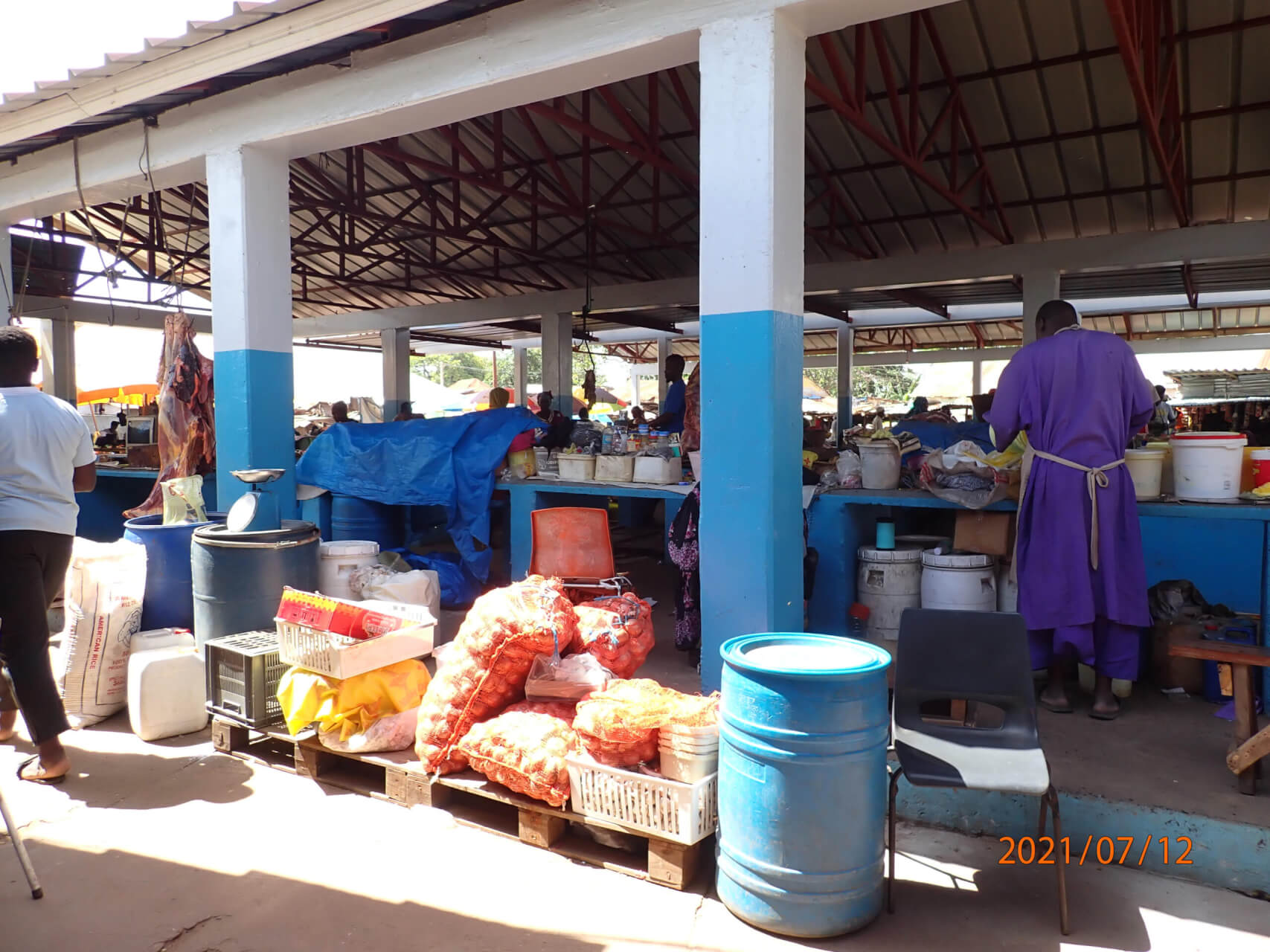
The Gambia’s famous food markets attract tourists and local residents alike. From the sprawling Bakau fish market to the fruit and vegetable stalls at Abuko, the markets dotted around the Greater Banjul Area are an essential part of life in the capital region.
The markets are usually laid out with small shops made of wood and sheet metal – known as canteens – at the front, while inside are the stalls selling meat, fish and vegetables. Much of the produce is grown by women in gardens close by the markets.
But the markets also create tonnes of trash – much of it organic waste which, along with plastic, cardboard, and other rubbish, becomes landfill at the city’s infamous Bakoteh dumpsite.
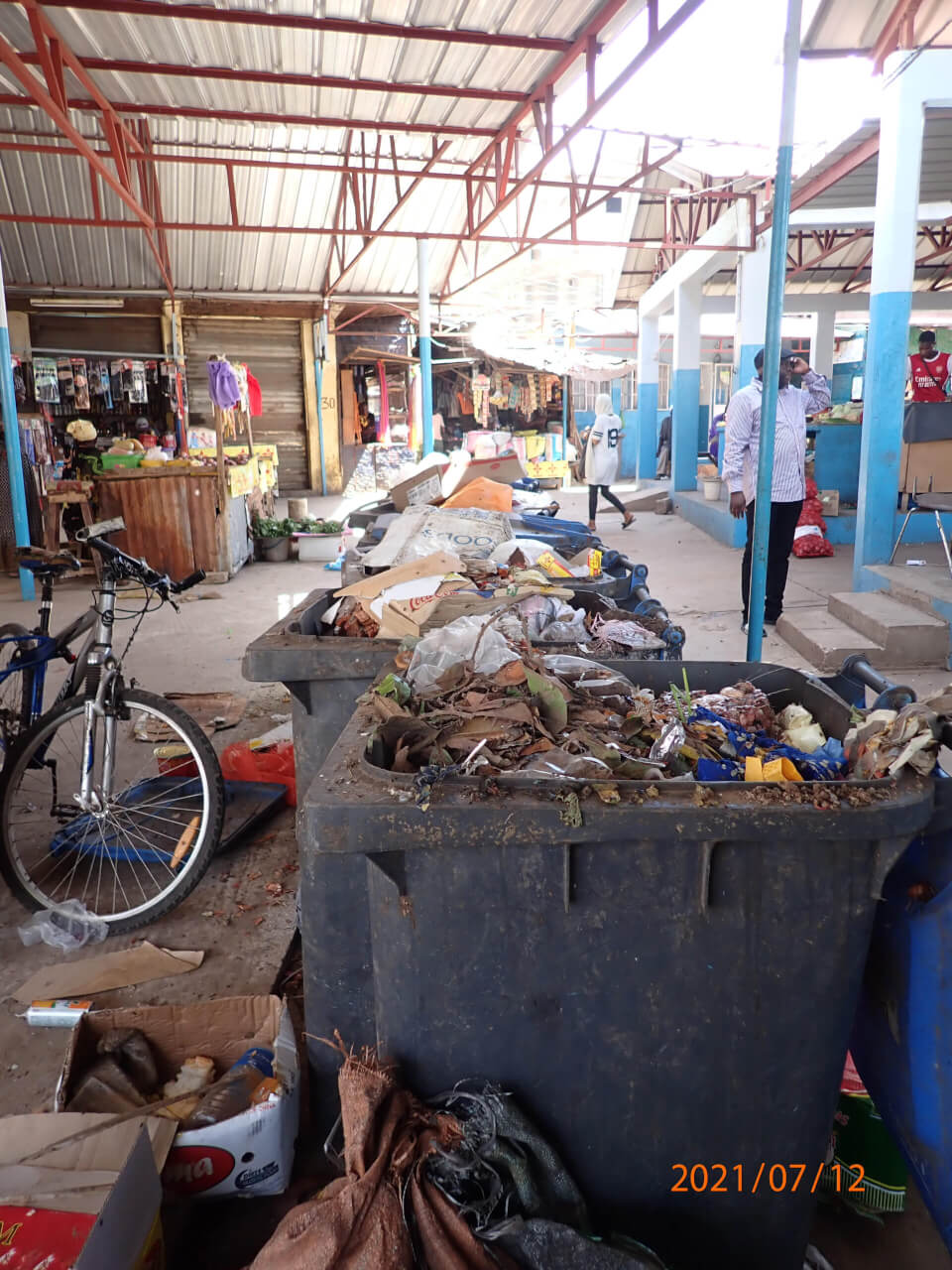
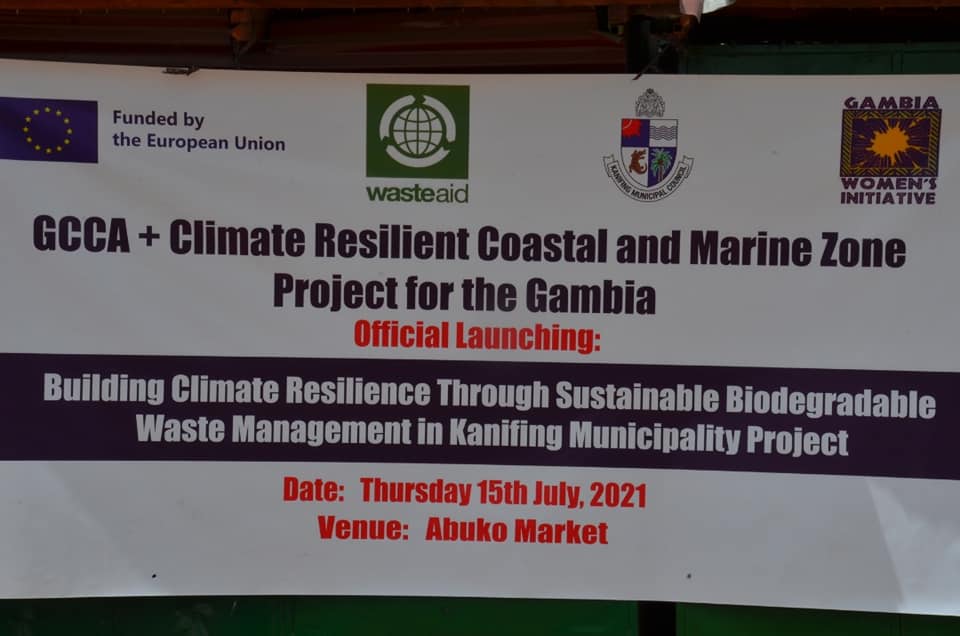
In an effort to tackle the organic waste problem, WasteAid, a UK-based NGO, in partnership with Kanifing Municipal Council (KMC) & Women’s Initiative The Gambia, has been awarded €100,000 by the EU Global Climate Change Alliance (GCCA+) to pilot an innovative approach to divert organic waste into productive materials.
“The Greater Banjul Area is a coastal environment, so you get problems with toxins leaking from the dumpsite into the water table and the sea,” says Ingrid Henrys, WasteAid Project Coordinator in The Gambia. “In the past they also burned trash there and that caused smoke and pollution problems for local people, as well as the flies from organic waste. Now burning has been banned and a fence has been built around the dumpsite to stop rubbish blowing away, but the problem remains of how to reduce the amount of organic waste being dumped there.”
As a first step, the women gardeners who grow fruit and vegetables to sell in the markets are being taught how to turn organic waste into compost.
“It’s very important to get the women involved, because it’s mostly women who do the small-scale fruit and vegetable growing in the city,” explains Ingrid. “We’re starting with 30 women farmers from two gardens, and the women themselves will choose who takes part in the pilot. After they are trained, they will be able to pass their skills and knowledge onto the others.”
Turning organic waste into compost will enable the women gardeners to reduce their reliance on chemical fertilisers. “When we talked to them, we realised they were spending a serious amount of money on chemicals, but their productivity was going down each year,” says Lamin S. Sanyang, Director of Services at KMC. “If they switch to organic compost it will not only save them money, but it will also be better for soil fertility.”
Ingrid points to another benefit. “We also need to protect the women’s health. Often they use these chemical fertilisers without any protective equipment, and they have no control over what it is or how much they use.”
The Gambia’s waste problem goes back decades. “One of the biggest issues was the lack of vehicles to collect waste,” says Lamin. “There was no proper waste collection, so people just used to dump it in the street and in the rivers, which in turn caused disease and pollution. Some communities resorted to burning the rubbish, which also affected their health. During the rainy season there were flash floods because the drains were blocked up with trash. So we decided to take action, and devised the Mbalit Project – Mbalit is the local name for waste.”
The GCCA+ funded WasteAid programme builds on the Mbalit Project by diverting biodegradable waste away from the dumpsite and turning it into both compost and biochar – a form of charcoal made from biomass – which can be sold for cooking fuel.
“It’s not just the women gardeners who benefit, the market vendors are really happy as well,” adds Lamin. “In the past, the rubbish wasn’t always collected on time and was left to rot. If the waste is properly managed, it will reduce the number of flies.”
It’s early days for the pilot project, which was launched at Abuko market in July – but it’s already created a stir.
“The word has spread very quickly, especially after the official launch,” says Ingrid. “It was covered on the local TV and radio and social media – the training hasn’t started yet but already people are interested in it. The Gambia is a very agricultural economy, producing a lot of organic waste, but most of it goes to the dumpsite when it could be used as compost. Many farmers don’t compost because they don’t know about it, or they think it takes too much time and effort. But the way they farm is really degrading the soil.”
Ingrid’s enthusiasm for nature and the climate is already rubbing off on the women gardeners.
“Wow, this is indeed a great achievement. Our production level will increase,” says Fatou Ceesa*. “We have been working this garden for many decades, but our production levels have remained the same. But with this project, our production will increase, and our lives will be improved. We can now get a good price for our vegetables and continue paying our children’s school fees, as well as paying medical bills.”
“I have a passion for environmental and biodiversity protection, and I am always trying new composting techniques at home,” laughs Ingrid. “I also really love to empower women – so this project really brings it all together!”
*Not her real name, for reasons of confidentiality.
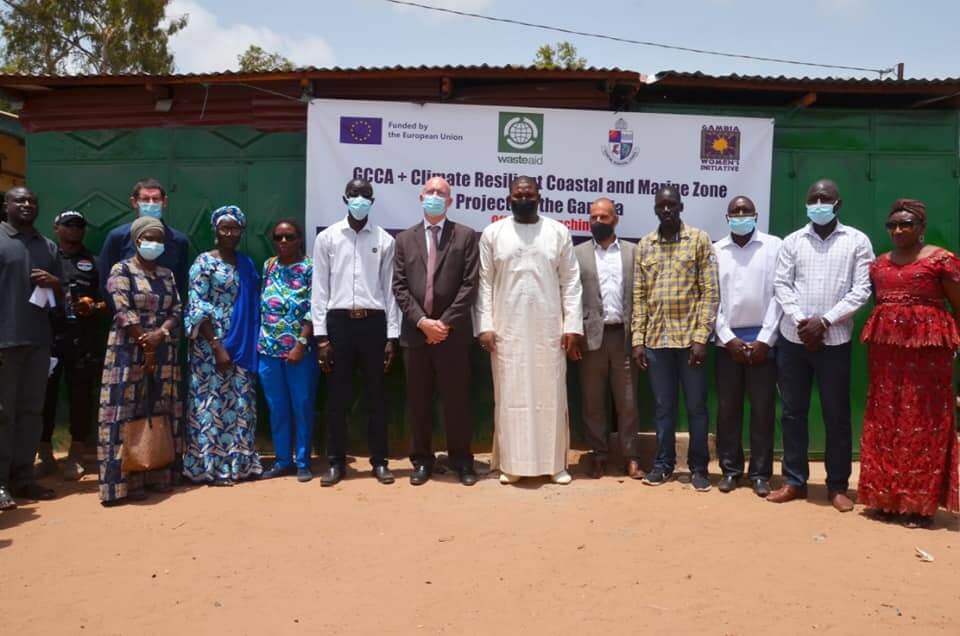
This story was written by Martin Atkin and first published on the GCCA+ website.
News
How one community in The Gambia is changing its relationship with plastic
In Bakoteh, a community in the Greater Banjul Area of The Gambia, plastic waste has long been a serious problem. Home to the largest dumpsite in...
News
Women farmers in Kalaji turn organic waste into opportunity through the S-ORGANIC project
In Kalaji, a group of women farmers is demonstrating how organic waste can become a productive resource — supporting sustainable agriculture, strengthening livelihoods, and...
News
WasteAid and the Turkish Embassy: A New Partnership for Sustainable Change in The Gambia
On 12 May 2026, WasteAid’s Director of Programmes and Project Officer met with Turkish Ambassador F. Turker Oba at the Turkish Embassy in The...
News
WasteAid and Kanifing Municipal Council sign MoU to strengthen long-standing partnership on sustainable waste management
WasteAid and Kanifing Municipal Council have signed a new Memorandum of Understanding (MoU), marking an important milestone in a partnership that has developed over more than a decade. ...
News
Responding to Community Needs: The Commencement of HUBLINK with Halal Waste Group in Uganda
We have a wealth of evidence demonstrating the positive impact of our Wastepreneur programme. A key driver of this success is our proactive approach—identifying and resolving challenges as soon...
News
Strengthening The Gambia’s Circular Economy: Insights from WasteAid’s Stakeholder Engagement
We have huge plans to further strengthen and scale our programmes in the countries we work in, evidenced by our recent expansion of our...
WasteAid’s Circular Economy Network has announced the finalists of its Zero Waste Cities Challenge, an innovation competition for green entrepreneurs in Johannesburg, Ho Chi Minh City and Guwahati.
The competition was launched to find grassroots solutions to resource efficiency, waste collection and recycling in South Africa, Vietnam and India.
More than 100 small business owners, social entrepreneurs and product innovators entered the competition, which will eventually see the top six awarded €10,000 prize money and business mentoring to bring their ideas to life.
Following an eight-week business bootcamp, 12 semi-finalists in each hub pitched their circular economy business concepts to panels of esteemed judges, and the most promising 15 have now been selected.
Finalists in Johannesburg, South Africa
Bokashi Bran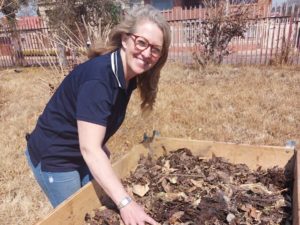
Bokashi Bran has a vision to produce the highest quality bokashi to divert food waste from landfill sites. Bokashi is a composting technique that enables all types of food waste to be returned back to the natural environment. Using the bokashi system saves landfill space and reduces greenhouse gas emissions by 98%.
BoombaDotMobi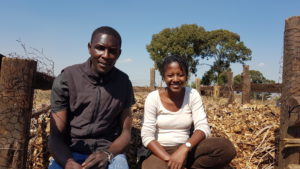
BoombaDotMobi collects organic waste from its paying customers and the wider community to transform it into compost. This is achieved through black soldier fly composting, vermicomposting and heat composting. The team then sells the quality compost product back to local farmers and their community.
Carbon Footprint Recycling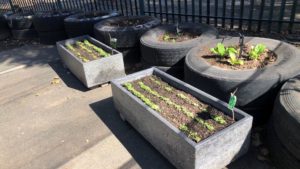
Carbon Footprint Recycling focuses on niche solutions for non-recyclable printer cartridges. Most cartridges end up in landfills and become hazardous. The team diverts, collects and dismantles them. The mild steel and aluminium are traded to recyclers while other materials are reused to make concrete-based products.
Makhabisi Recycling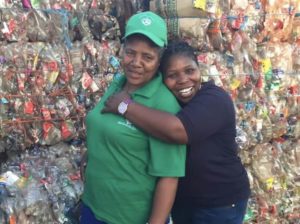
Makhabisi Recycling & Trading is a 100% black and female-owned company that collects dry recyclables in Johannesburg, diverting them from landfill and prolonging their value. The company aims to drive awareness, educate the community and create a more sustainable environment for local people.
Tash The Recycling Guy
Tash The Recycling Guy was born out of the Tshwane innovation challenge for local students. Their entry to the semi-finals was focused on a small, modular machine that compresses plastic waste to reduce its volume, allowing for easy and efficient transport to a recycling facility.
Judging panel in Johannesburg
Douw Steyn, Director of Sustainability, Plastics Federation of SA
Anele Sololo, Chairperson, National Recycling Forum
Ntokozo Majola, Executive Manager, Seda
Camilo Ramada, Senior Advisor, Business Finland
The final round will be held virtually on 21 October, 2021.
Finalists in Ho Chi Minh City, Vietnam
Green Connect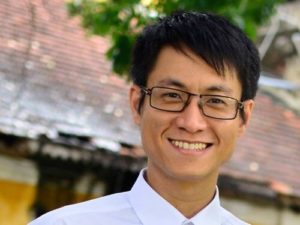
Green Connect has created a mobile app, Green Points, which uses gamification to make green living easier and more enjoyable. The app incentivises people to take green actions, such as recycling or using less plastic, rewarding them with a virtual currency that can be exchanged for a range of benefits or donated to charity.
Papa’s Dreamer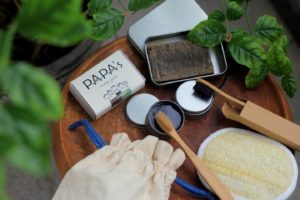
Papa’s Dreamer is a brand that is creating a green value chain for shower and hygiene products, cutting down poisonous wastewater released into the environment in the process. The team are guided by their ethical production principles, including setting a daily limit of production and avoiding nylon as well as plastic.
Rechic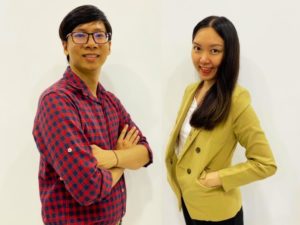
In Vietnam, secondhand marketplaces do not exist. At the same time, 70% millennials prefer eco fashion, yet 43% admit to throwing an item away after just one use. Rechic aims to be Vietnam’s first pre-loved fashion marketplace, curbing consumption habits and keeping clothing in use for longer.
University of Economics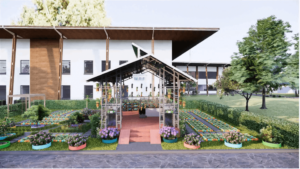
Based in Ho Chi Minh City, the University of Economics has a goal to build the first zero waste university. How? Through the adoption of The Three R’s (reduce, reuse, recycle) and by running campaigns to raise awareness as well as to encourage behavioural change across the community on campus.
Veca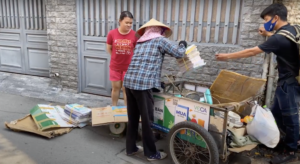
Veca is a mobile app that connects scrap sellers and dealers on Android and iOS platforms, supporting the scale of waste proactively and with complete transparency on prices. Through the innovation, the team are revolutionising the way informal waste pickers work and helping to divert huge amounts of waste from landfills.
Judging panel in Ho Chi Minh City
Sam Wood, Deputy Head, British Consulate in Ho Chi Minh City
Uyen Mai, South East Asia Sustainability Leader, Dow Chemical
Matteo Chiampo, Director of Operations, SecondMuse Singapore
Klaus Oberbauer, Programme Manager, SecondMuse Singapore
The final round will be held virtually on 19 October, 2021.
Finalists in Guwahati, India
Golden Feathers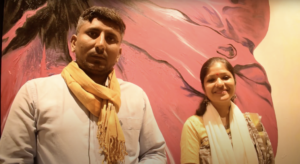
Golden Feathers diverts chicken feather waste from reaching the landfill and converts it into fibre that can be used to make insulation material and handloom apparels. The work already provides better economic and social opportunities for more than two hundred tribal women in India.
Inside Out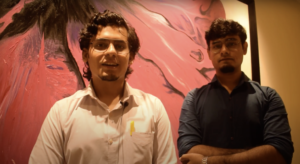
Hailed as the most troublesome weed in the world, water hyacinth is notorious in Guwahati for creating ecological imbalance and waste. The Inside Out duo have found a way to make paper out of the weed in the only wetland state of Assam, reducing the need for wood pulp. Crafts are also made from the weed.
Ittisha Sarah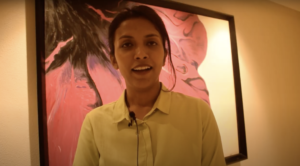
Founder of the Northeast Waste Collective, Ittisha Sarah is finding ways to ensure the safe recycling of printed circuit boards. Her innovation is aimed at integrating the formal and informal sector in e-waste management. The idea will also contribute to securing the livelihoods of the informal workforce.
Midway Journey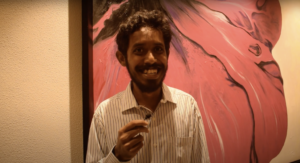
Midway Journey is seeking to scale its already successful pilot project, Power of 300, which collects and recycles dry waste from 300 households in exchange for a fee while supporting the informal waste sector. The team has a goal to serve 3,000 households, aiming to collect 15 tonnes of recyclable waste every month.
Shree Guru Plastics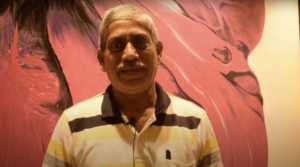
Already an established business, Shree Guru Plastics is looking to increase the recycling capacity of its facility in Guwahati. How? Through use of better technology to extend the life of low value and contaminated plastics – which are often left out from the recycling chain and end up in the city’s only waste disposal site.
Judging panel in Guwahati
Sumit Jugran, Sustainability and CSR Manager, Tetra Pak
Sanjib Bezbaroa, Vice President: Corporate EHS, ITC Ltd
Gautam Mehra, Deputy Team Leader of Circular Economy Solutions, Giz India
The final round will be held virtually on 20 October, 2021.
Congratulations to all the finalists, and our thanks to all the business mentors for helping them become pitch-ready!
WasteAid would also like to extend our gratitude to the esteemed judges in each of the three cities, who will be selecting the final winners.
Please follow the WasteAid Circular Economy Network on LinkedIn and Twitter for the latest updates.
The Zero Waste Cities Challenge is part of WasteAid’s Circular Economy Network, funded by Huhtamaki.
Written by Zoë Lenkiewicz
News
How one community in The Gambia is changing its relationship with plastic
In Bakoteh, a community in the Greater Banjul Area of The Gambia, plastic waste has long been a serious problem. Home to the largest dumpsite in...
News
Women farmers in Kalaji turn organic waste into opportunity through the S-ORGANIC project
In Kalaji, a group of women farmers is demonstrating how organic waste can become a productive resource — supporting sustainable agriculture, strengthening livelihoods, and...
News
WasteAid and the Turkish Embassy: A New Partnership for Sustainable Change in The Gambia
On 12 May 2026, WasteAid’s Director of Programmes and Project Officer met with Turkish Ambassador F. Turker Oba at the Turkish Embassy in The...
News
WasteAid and Kanifing Municipal Council sign MoU to strengthen long-standing partnership on sustainable waste management
WasteAid and Kanifing Municipal Council have signed a new Memorandum of Understanding (MoU), marking an important milestone in a partnership that has developed over more than a decade. ...
News
Responding to Community Needs: The Commencement of HUBLINK with Halal Waste Group in Uganda
We have a wealth of evidence demonstrating the positive impact of our Wastepreneur programme. A key driver of this success is our proactive approach—identifying and resolving challenges as soon...
News
Strengthening The Gambia’s Circular Economy: Insights from WasteAid’s Stakeholder Engagement
We have huge plans to further strengthen and scale our programmes in the countries we work in, evidenced by our recent expansion of our...